Categories
art creatives interview

Olubunmi Atere: Ceramic Artist Crafting Narratives with Clay and Culture

For Nigerian Ceramicist Olubunmi Atere, art finds its essence in clay and anything that is malleable. Drawing inspiration from nature, music, and her lived experiences, Olubunmi carves her perception of the world into her ceramics. But Olubunmi has not always been an artist, or has she? Though she comes from an artistically inclined background, with a particularly skilled father, Olubunmi’s path to the arts wasn’t straightforward. While she always sensed a pull toward creativity, it took years of studying Adult Education in university and a career as a Communications Professional before she fully embraced art in 2021.

Her debut artwork, ‘Rhythm of Life,’ mirrors her personal transition to artistry, reflecting on the emotions she grappled with along the way. This piece portrays the idea that the world shapes events, people, and experiences beyond our control or knowledge.

In her works, the artist explores different themes like community, femininity, movement, and kinship. Each piece tells a unique story, questioning aspects of society and human experiences. From the concept of integration in ‘Pillar’ to the cycle of evolution in ‘Fecundity,’ the artworks delve into deep emotions and universal connections. The artist’s style combines elements of geometry and traditional structure, creating visually appealing pieces with powerful messages. At the heart of her artistry is an emphasis on relationships, growth, and the invaluable knowledge passed from one generation to another.

This conversation was conducted by Ifunanya Okolie in August 2023. Olubunmi granted Creatives Around Us permission to feature her photos.

Olubunmi, it is a pleasure to have you here. First off, congratulations on your upcoming exhibit at the Chale Wote art festival in Ghana. Can you share a brief introduction about yourself and a bit about this dream opportunity you are currently working on?

Olubunmi: Thank you for having me, Nanya. The feeling is mutual. Also, thank you for your kind words, I’m stoked to be a part of the Chale Wote Art festival 2023. 

I am Olubunmi Atere, a contemporary Ceramic Artist and communications consultant based in Lagos, Nigeria.  I started out my career as a communications professional before taking on art, fully, in 2021. I was craving more so I went for more and it brought me here.

A little birdie whispered you are creating a body of work for a dream opportunity. Can you give us a sneak peek into what this entails and what inspired it?

Olubunmi: Haha, okay. I really can’t say much about this project at this time, so I need to keep it low. It’s a project that will reflect on, document and promote our culture. I have been excited about this one, because it’s art beyond the usual, it goes into history and cultural representation, which I appreciate, especially as an African.

This project is taking me through new and needed experiences, connections, explorations… Like, I’m stretching and I’m here for it. 

 In time, you guys will find out.

The Chale Wote art festival is a significant event. How do you feel about showcasing your work there, and what can attendees expect from your exhibit?

Olubunmi: I am truly grateful for such a platform that fosters cultural and creative values not just in Ghana but promoting the same value across Africa. I’m truly honored to be able to share my voice, experience, and art in such a remarkable initiative. 

Avenues like this help to bring about the collective awareness, representation and growth that we need and I’m glad to participate. Expect to experience the use of information for practice unfurl resilience and resistance through my contemporary ceramic piece. I went home for that one, using the symbolic communication system of the Yorubas ( Àrokò) to pass my message of awareness and leveraging our history and realities to our own advantage.

Let’s explore your journey with ceramics. What drew you to this art form, and how did you get started?

Olubunmi: I have always loved art. I grew up with a dad that’s very handy and would share his creativity with his family. My short introduction in art class, working with clay in high school stands out vividly and memorably in all of my experiences and further solidify my interest in Art as I grew up. Sadly, I missed out on studying art in the university so I studied Adult Education and got to start out as a communications professional before I gave in to my love for art in March 2021. I have not looked back since.

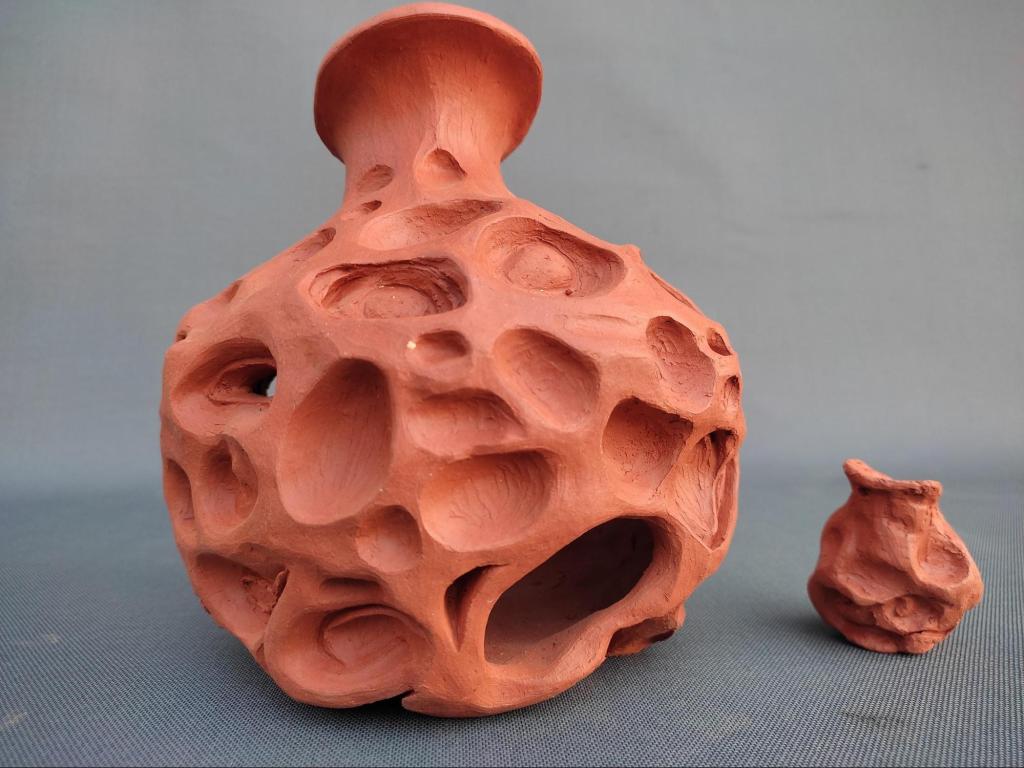
Rhythm of Life (2021) Glazed and Polished, Clay, H 15′ x W 12′
Your work, such as ‘Rhythm of Life,’ beautifully captures life experiences. Can you share more about the inspiration behind this piece?

Olubunmi: Rhythm of Life was created during moments of transformation. It was my first go at unleashing myself through art. I poured in my experiences, imaginations, chaos, and harmony. A process that helped me to navigate the feelings tethered to those thoughts and that state of mind, in order to find my center in these shared experiences to and forge ahead.
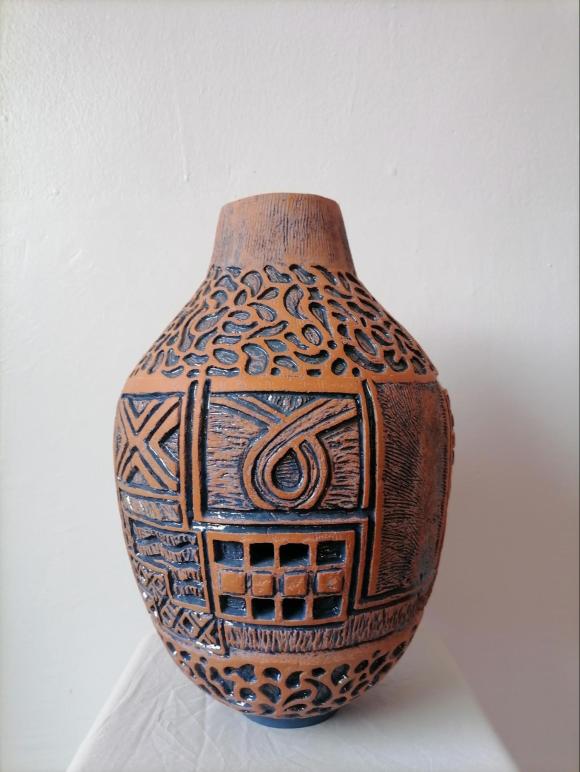
Wave (2022) Glazed, Clay, H 16′ x W 10′
In ‘Wave,’ you touch on nostalgia and memories. Can you share a personal memory or experience that influenced this piece?

Olubunmi: Ah, this piece definitely reminds me of dancing to tribal sounds with my cousins, learning local games with aunts and uncles and having a swell time listening and singing along to grandma’s folk tales growing up. 

I totally love stories and music, and as Africans, we wear and exude our art which has stirred an appreciation within me from childhood. I swirl in those stories, the rhythm, the affinity, the lessons and emotions every time I see and think about this piece. It also brings to mind my time playing Tetris and Snake game with siblings and friends.
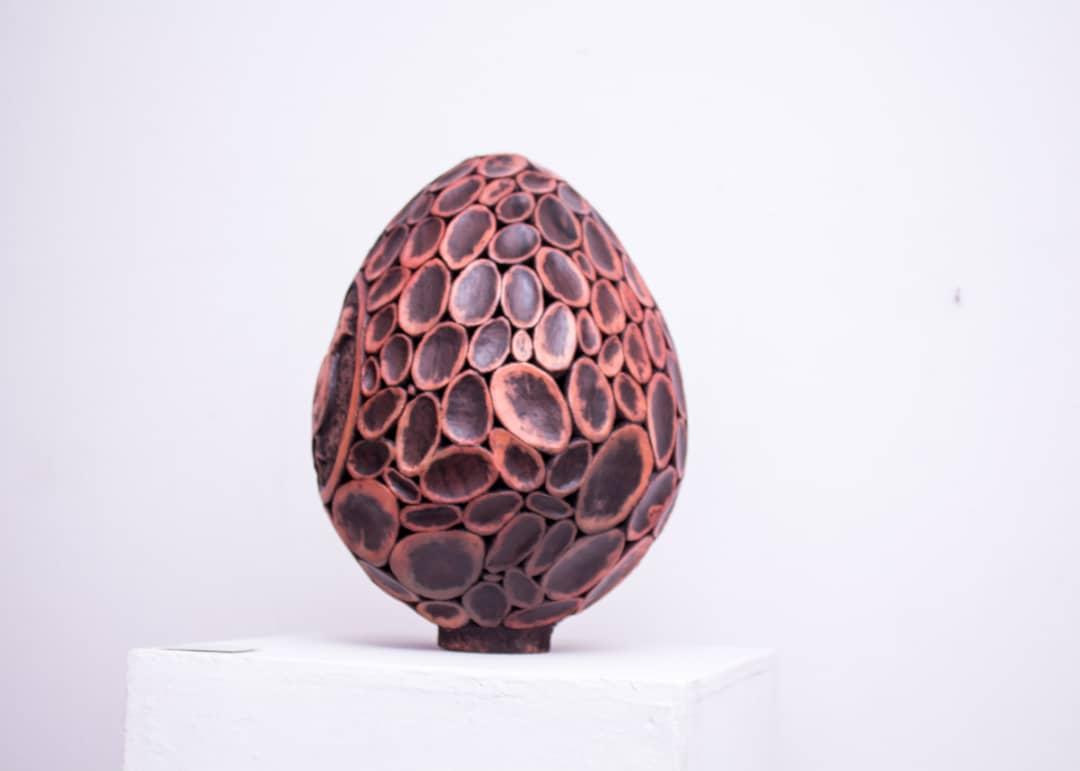
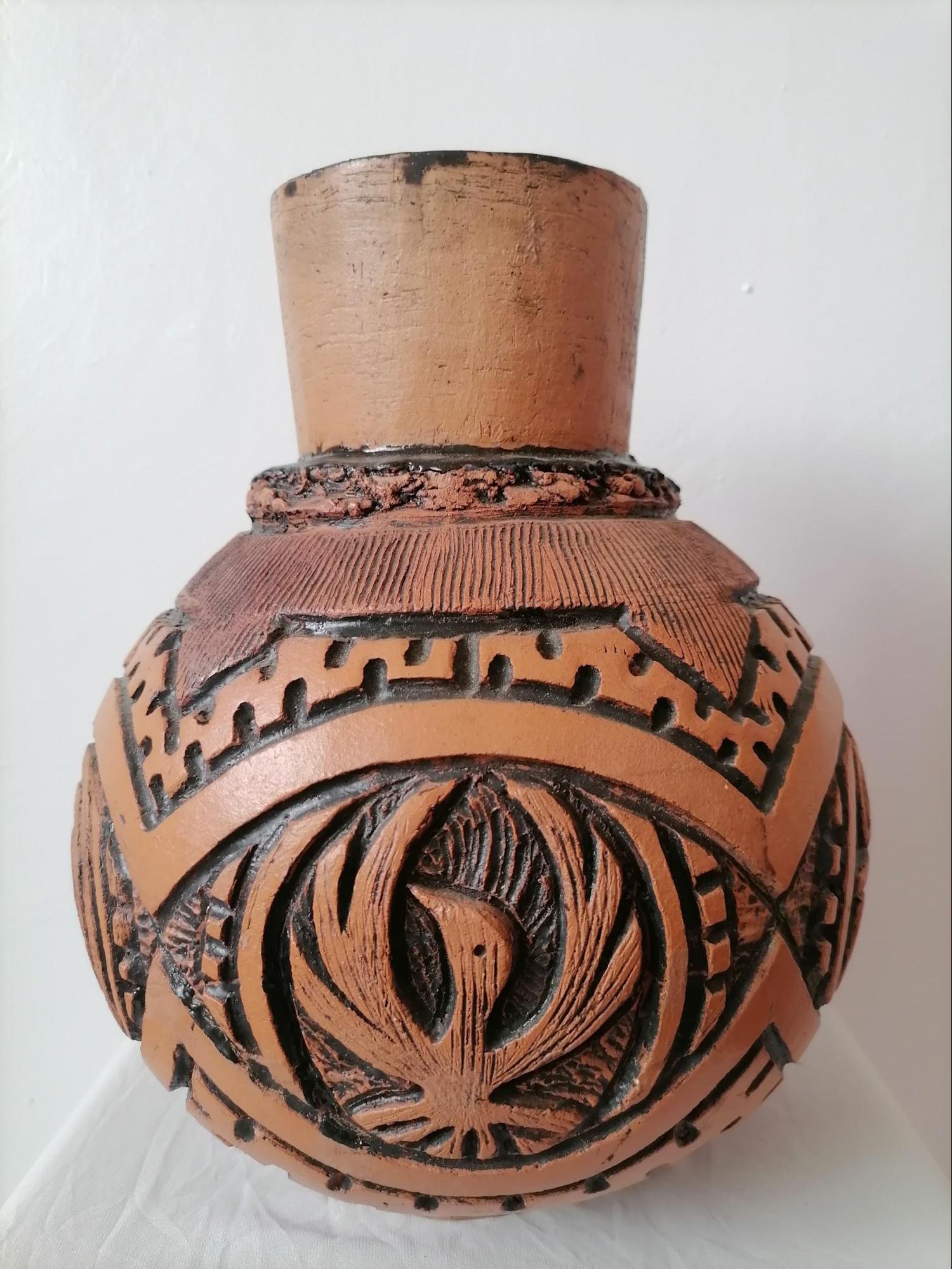
Your pieces like ‘Fecundity’ and ‘Of Angels and Birth’ centre around themes of birth and feminine power. How do these resonate with you, especially in the context of your upcoming exhibit and new body of work?

Olubunmi: First of all, we can’t deny that feminine power is where growth is at. I believe that energy activates at every point of care, nurture and multiplication. I believe channeling such energy is therefore central to enabling development and seeing through that perspective can create a sensibility to where growth can be or is at.

For my new body of work, I’m working on a piece with a theme I initially believe is far apart from birth but now that you’re asking, it does capture a process of becoming. Ah, I’m even more excited. You need to wait awhile for the rest of it but one hint is viewers also get to be artists themselves.

How do you approach the creation of a new piece, especially when preparing for significant events like the Chale Wote art festival?

Olubunmi: I constantly research and I have a direction for my art. I endeavour to develop that in advance to ensure my alignment with a potential pending or upcoming project. I constantly explore before creating begins, it gives wings to my ideas. Often the theme of an art project are also guidelines.

How have your personal background and experiences influenced your art, especially the pieces you’re showcasing in Ghana?

Olubunmi: I grew up in a family where everyone is hands on, especially my dad, whom I watch sketching or doing typography. And as a true educationist he doesn’t hold back on teaching. Art has been at the core of my interests and has featured in all my engagements even before I was an artist; I’m grateful for these full circle moments where I can build in my purpose.

Beyond the festival and your dream opportunity, what’s next for you? Are there any other projects or collaborations on the horizon?

Olubunmi: Yes, yes. I’m preparing for some shows and yes definitely working on collaborations with some of our beloveds here in Nigeria and across Africa.

I also give back to the community through my participation in art projects for less privileged and disabled kids as well as my participation in development of grassroot football.

What challenges have you faced in your artistic journey, especially when preparing for significant events and opportunities?

Olubunmi: One of the recurring challenges I face is the limited availability of tools. I often find myself delving deep into research to find alternatives. I’m honestly just making do with what’s at hand. 

I craft my pieces entirely by hand. The only ‘tools’ I use when building  are the stool the piece is on and a cardboard at the base. Sometimes, I need specific tools but they’re not readily available. Accessing them means you’ll have to import and the current dollar rate is not smiling. This means importing them becomes a challenge. Even the materials I can find locally often require extensive preparation from its rawest form to get them to the state I need. I’ve had to get creative, repurposing items or even crafting tools, like making a rib tool from kegs. As I progress in my journey, I’m continuously working towards equipping myself with the right tools and materials. It’s a balance I’m striving to achieve.

Olubunmi, it’s been enlightening chatting with you. Before we wrap up, where can our readers find more of your work and follow your journey, especially updates on your exhibit and new projects?

Olubunmi: Thank you Nanya! I’m quite active on Instagram under the handle @oluoninsta. I frequently update my story with the latest happenings. So, if you follow me there, you’ll catch my updates. You can also find me on Facebook and LinkedIn by searching for ‘Olubunmi Atere’. You can also Google my name, to find even more information about my work and my journey. Thank you so much for this chat; it’s been an absolute pleasure connecting with you. Cheers!

Let’s delve deeper into some of Olubunmi’s standout pieces and understand the inspiration and stories behind them

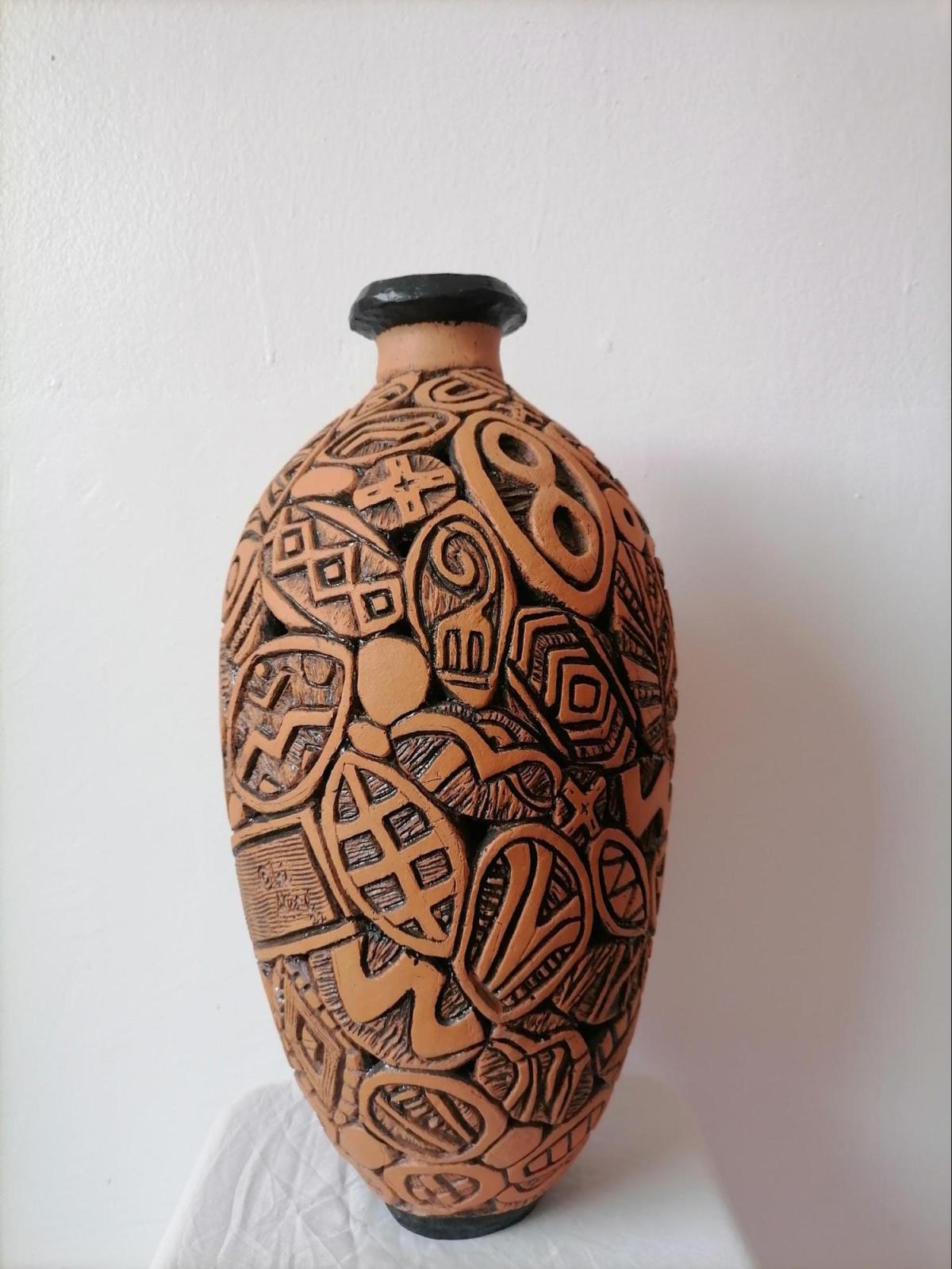
Rhythm of Life (2021) Glazed and Polished, Clay, H 15' x W 12'
Rhythm of Life (2021) Glazed and Polished, Clay, H 15′ x W 12′

‘Rhythm of Life is a confluence of life experiences and the versatility of clay. Life in its differences, similarities and imbalance creates a rhythm that we all experience and can relate with. Clay in its malleability and versatility creates a simulation that captures life processes. The inscriptions on the evocative form are borne out of imaginations, yearns and the flow building of clay affords the human mind. The evocative form conveys the world and how it births happenings, people and experiences without the knowledge or control of the beings in it. Life has a rhythm and we all dance to it.’
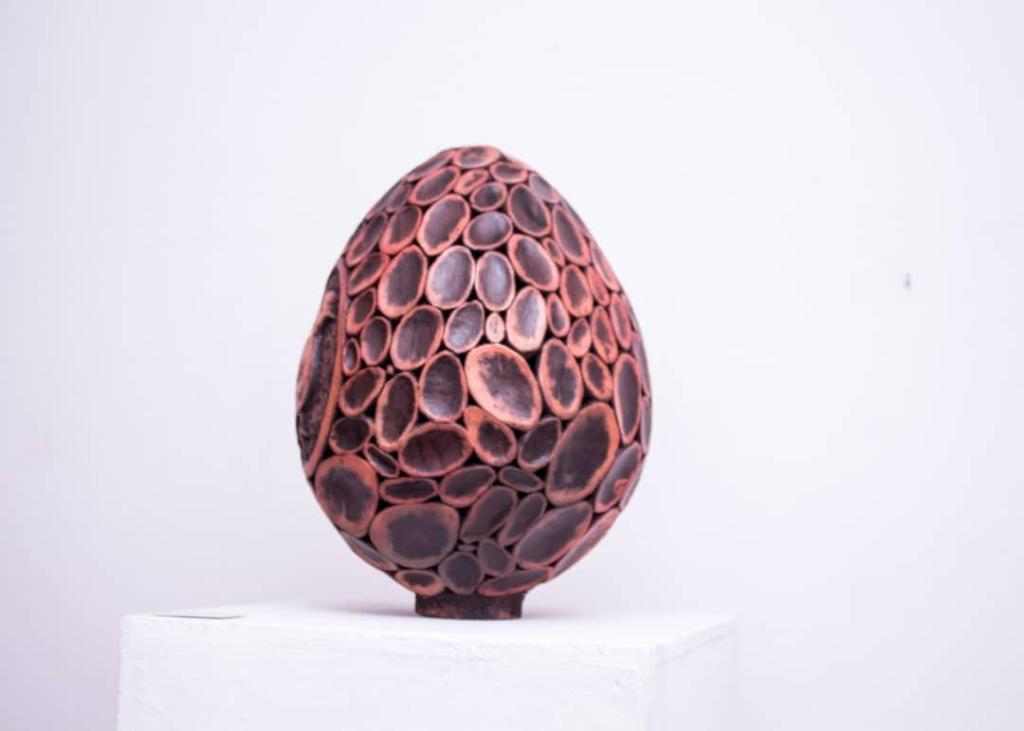
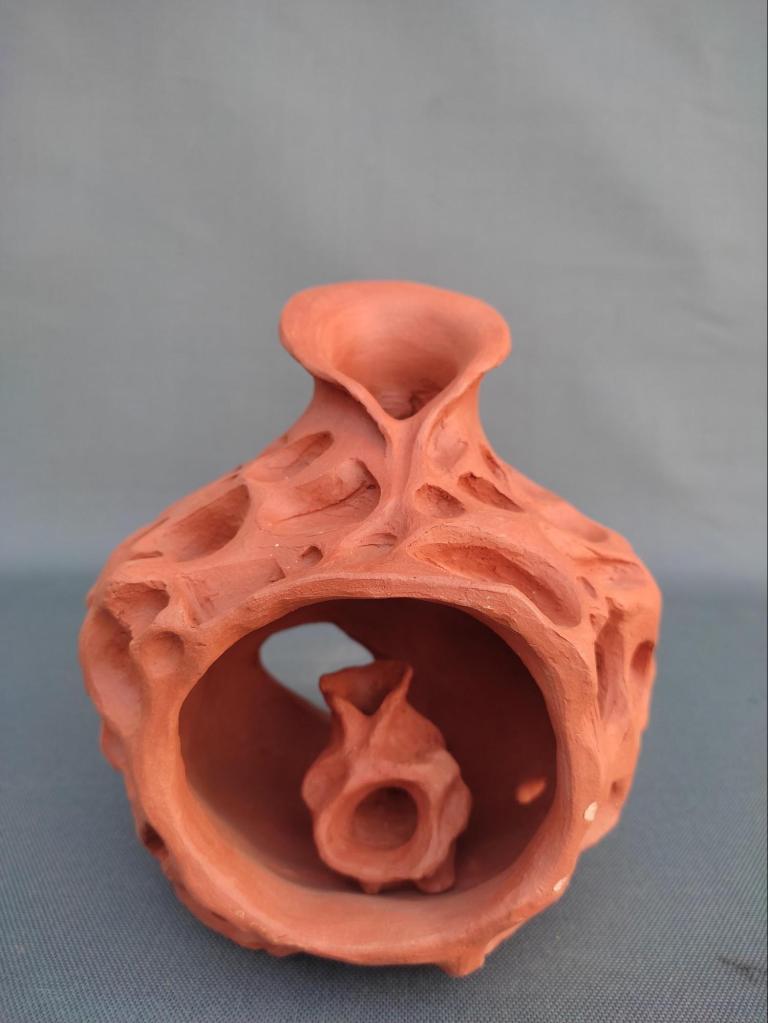
Fecundity (2021) Glazed and Polished, Clay, H 17' x W 12'
Fecundity (2021) Glazed and Polished, Clay, H 17′ x W 12′

‘Fecundity explores the ambiguity in potentiality and actualisation through the cycle of evolution, from its start point and the chain effect of that process. The choice form is figuratively and literally synonymous with birth, fertility, connection. A proof as well as a draft of what is and is to come; like faith in what is (un)seen. An exploration as a gentle nudge towards the acceptance of ever-present ambiguity in our lives, a hopeful lure out of analysis paralysis and an awareness for a conscious open-minded nature. I find the Yoruba proverb – Ọ̀nà kan ò w’ọjà (The market access isn’t limited to a single route) a call to the symbolism of the nature of ambiguity which does not offer itself up for clear, rather it encourages us to allow for the mystery that is Life to touch us and open us. Fecundity is an imagery of continuity and the ripple effect of our choices, being and actions. “Certainty begets stagnation, but ambiguity pulls us deeper into life. Unchallenged conviction begets rigidity, which begets regression; but ambiguity opens us to discovery, complexity, and therefore growth. The health of our culture, and the magnitude of our personal journeys, require that we learn to tolerate ambiguity, in service to a larger life.” – James Hollis’
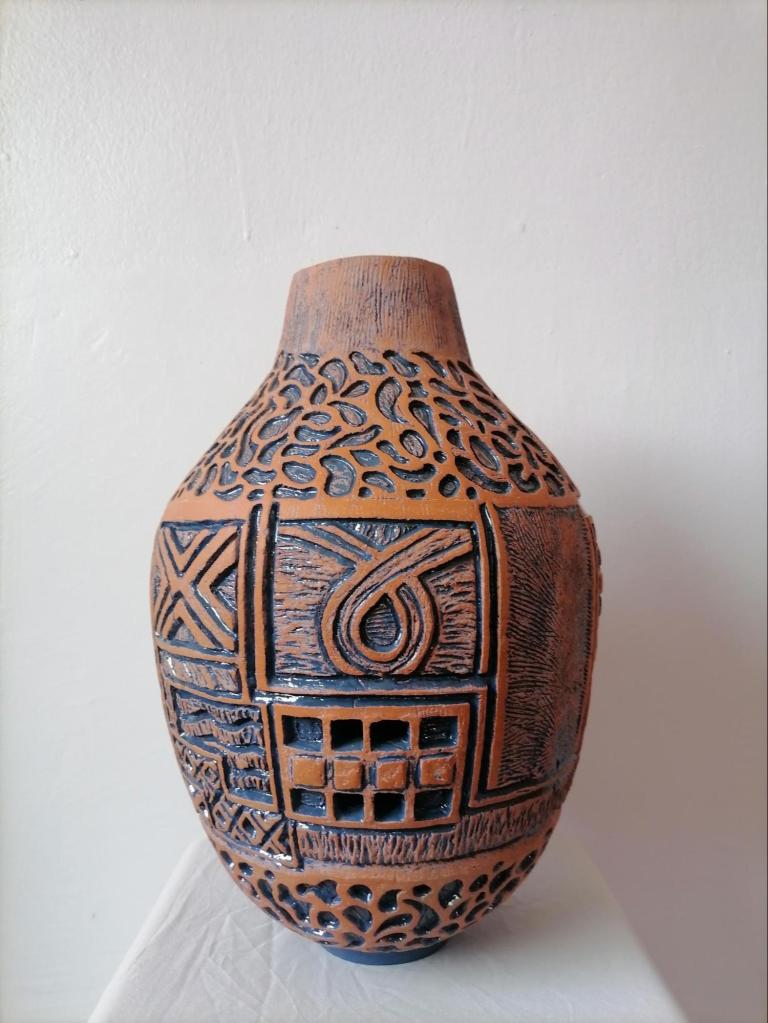
Wave (2022) Glazed, Clay, H 16' x W 10'
Wave (2022) Glazed, Clay, H 16′ x W 10′

Tapping into the epiphany of nostalgia and memories of times past, upbringing, tunes, games, dance and moments that allow feelings to bubble to the surface of one’s mind, including the history of what makes our current reality. A feeling, tethering different individuals of same or separate backgrounds to memories, experiences and realities of themselves in their own way; the same wave, the surge of feelings every time a moment is recalled or re-lived. From research, nostalgia is thought to play an important role in psychological resilience from the involvement of memory and reward systems in such experiences. Some empirical studies also indicated nostalgia as approach-oriented such that it strengthens motivation and promotes the pursuit of one’s important goals. The patterns carved on this piece draws from gaming patterns, brain waves, dance and flow of water to relive the history of Africans, the resilience of Nigerians, and memories from upbringing; drawing motivation to bring thoughts/dreams to reality employing clay as a witness. Collages of thoughts, moments and every other thing that fits into a memory’.
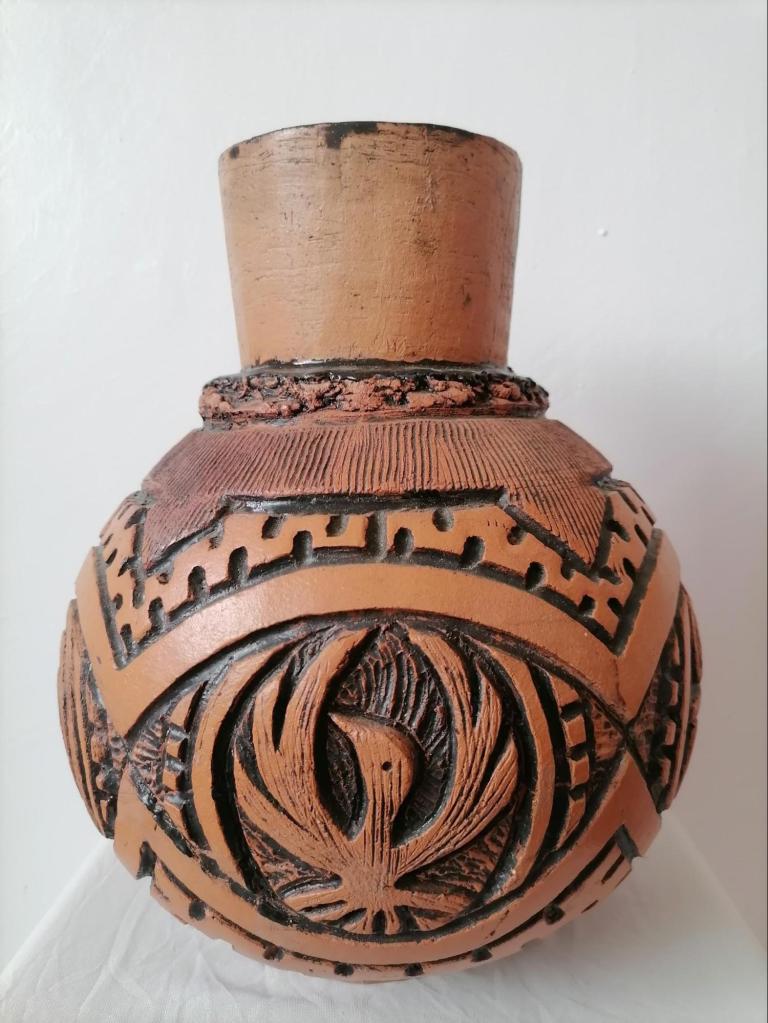
Of angels and birth (2022) Glazed, Clay, H 12' x W 10'
Of angels and birth (2022) Glazed, Clay, H 12′ x W 10′

‘Exploring the greatness, royalty, leadership and history nestled in the strength of a woman. This piece carries the stamps of inspiration, encapsulating evocative messages that convey traditional wisdom, aspects of life and the environment. A confluence of feminine power and the strength of an African woman, Each symbol speaks to the feminine power and courage, tempered with humility and leadership. An intersection of the depiction of a mother tough love especially as an African, and the artist’s journey like that of everyone and a phoenix rising from the rubble every time.’

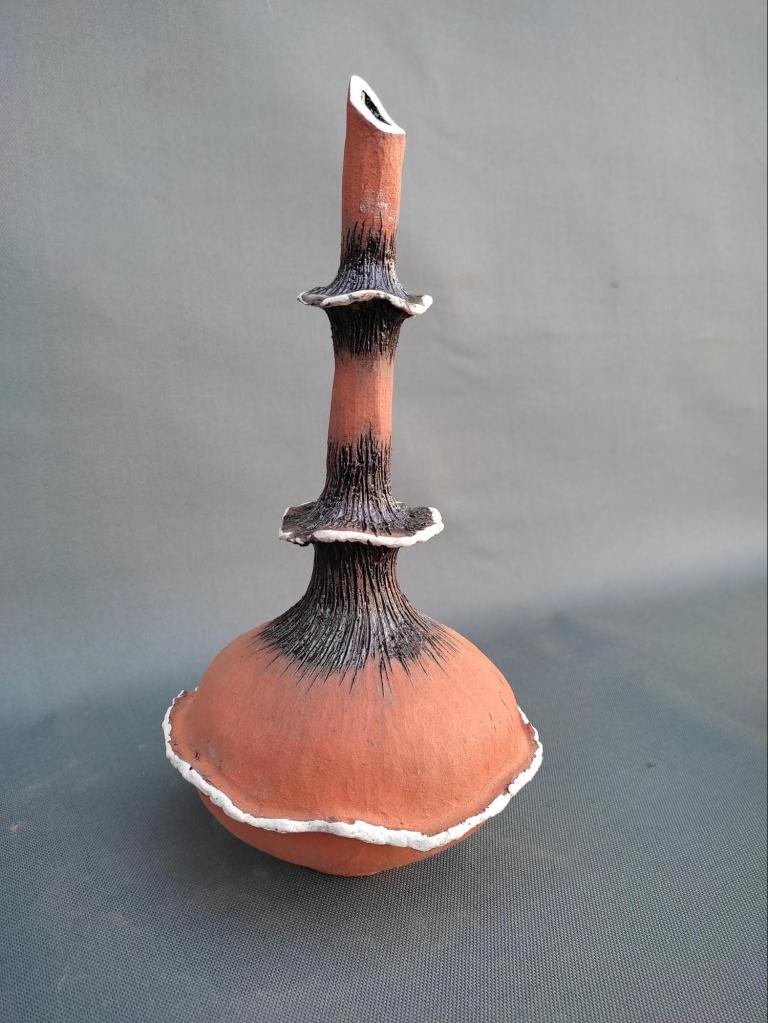
Pillar (2022) Glazed, Clay, H 19' x W 9'
Pillar (2022) Glazed, Clay, H 19′ x W 9′

This piece explores the nestling of support between individuals, communities, society and how we form an integral or upstanding member/part of it. We are bound by an intimate and harmonious bond to our society and the conflicts between us are apparent and momentary. In a well-ordered society, there would be lasting harmony between these two. Each one serves as a pillar to the other; the individual lives and acts within society but society is nothing, in spite of the combination of individuals for cooperative effort. Pillars when kept in balance with each other ensures sustainability and the survivability of our society in general. We are biologically and psychologically equipped to live in groups, in society.  An essential condition for human life to arise and to continue. The relationship between individual and society involves the question of values, ultimately one of the profound problems of social philosophy. How strong is our spirit of service and duty to the society and how much does the society worry about our spirit of tolerance, broadmindedness and security as individuals? One extremely strong pillar will not hold a building, but three mildly strong pillars will.

Elements that depict human experiences in relation to each other by habitation, movement, expression and communication are incised on a collision of geometry and traditional structure. The entire structure is emblazoned by abstract inscriptions, myriad evocative languages, as a unifying force in humanity’s vertical aspirations.

Exploring the essence of succession and ancestry, this piece depicts the embodiment of an offspring in line with its bloodline. Be it in breeding the mindset of an offspring to foster them, or getting involved in an actual breeding action or the identification of an offspring. The mother and child piece buttresses the ties of succession, the duty it demands and similarity birthed from the connection. Each being carries the essence of their breeder and the potentiality of breeding.

Sprout (2021) Glazed, Clay, 30cm x 16cm x 17cm

Drawing from the process of propagation to depict life experiences, this piece acknowledges the results and growth as a result of actions stemming from association, nurturing, and togetherness. The Yorùbá’s commonly say Ilé lati ń k’ẹ̀ṣọ́ r’òde – Charity begins at home. This piece connects the scope of the idea of propagation as a medium of knowledge transfer be it in cultivating a plant or an animal or spreading an idea, it yields (new) sprouts.

Categories
art creatives interview

Evolution of an Artist: From Words to Code to Canvas – The Multifaceted Journey of Elizabet Yessiien

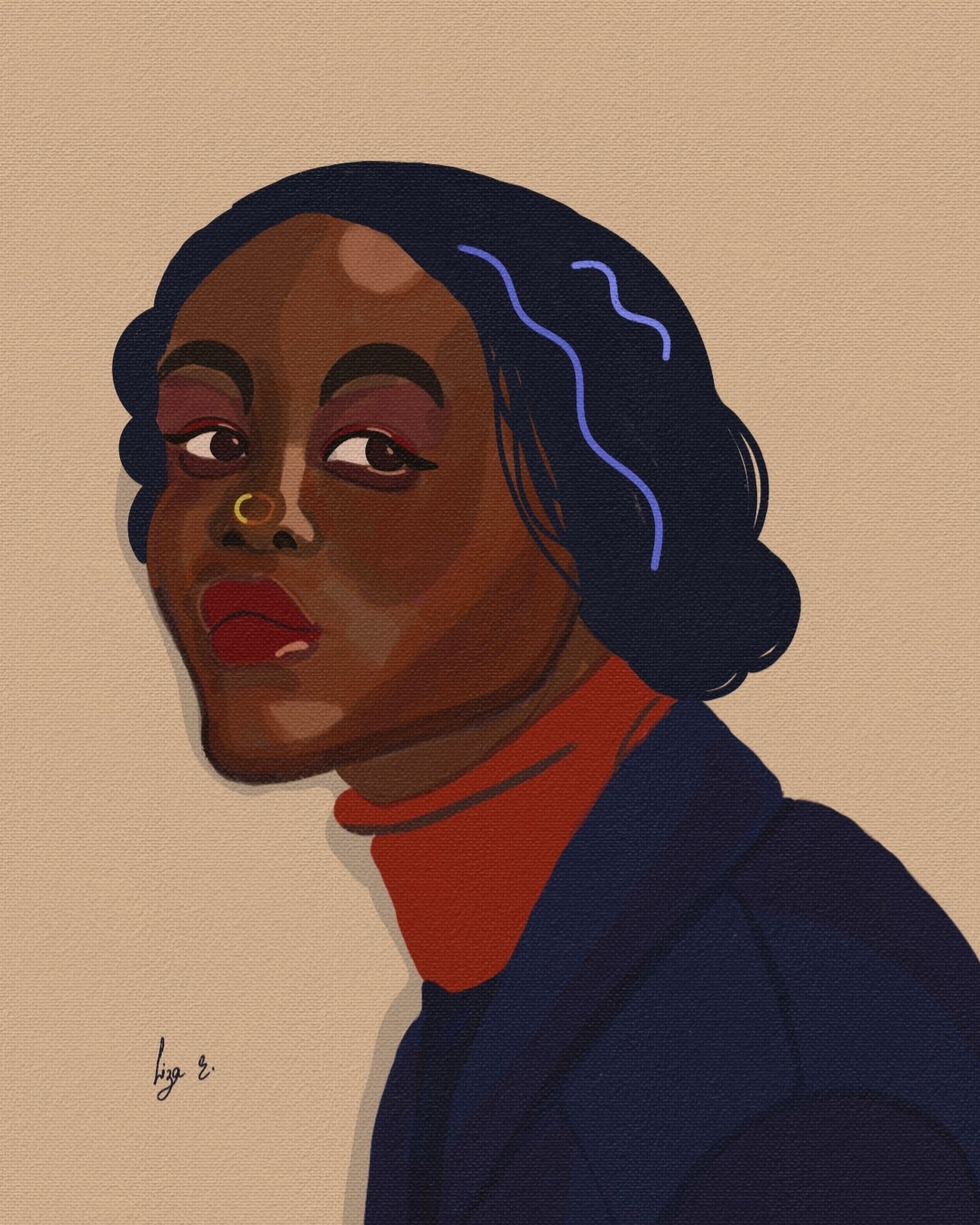
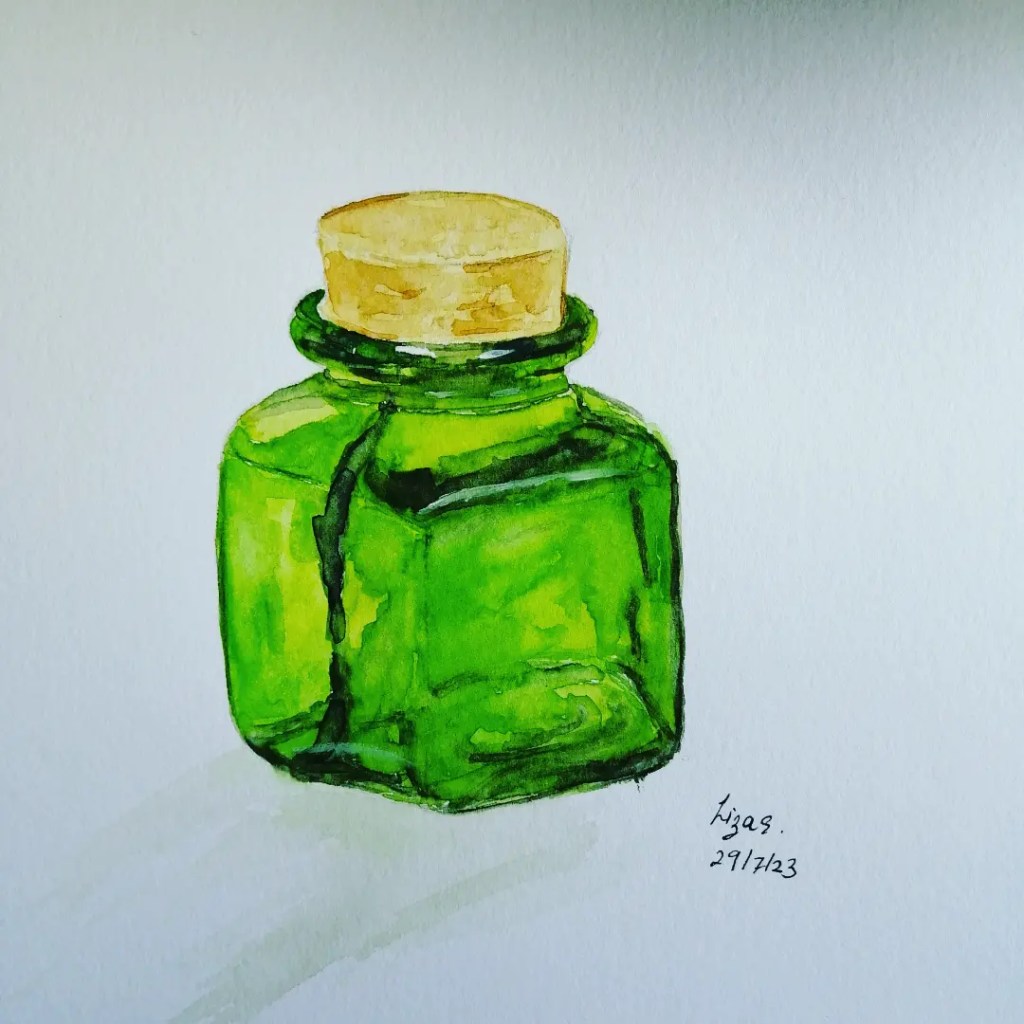
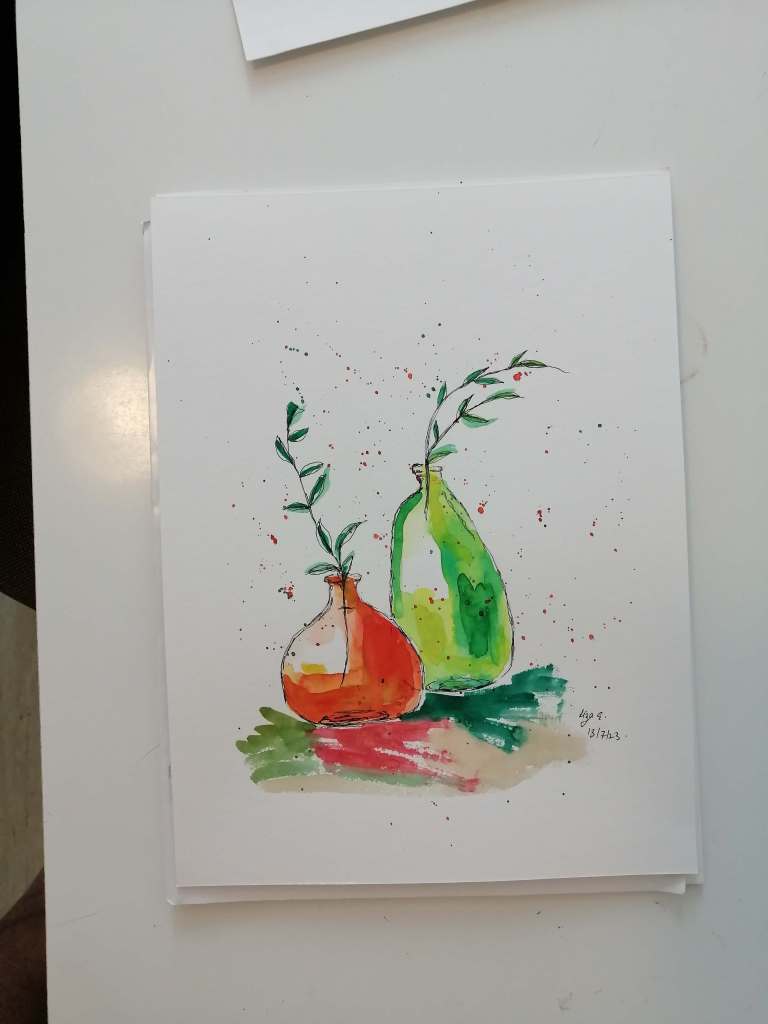
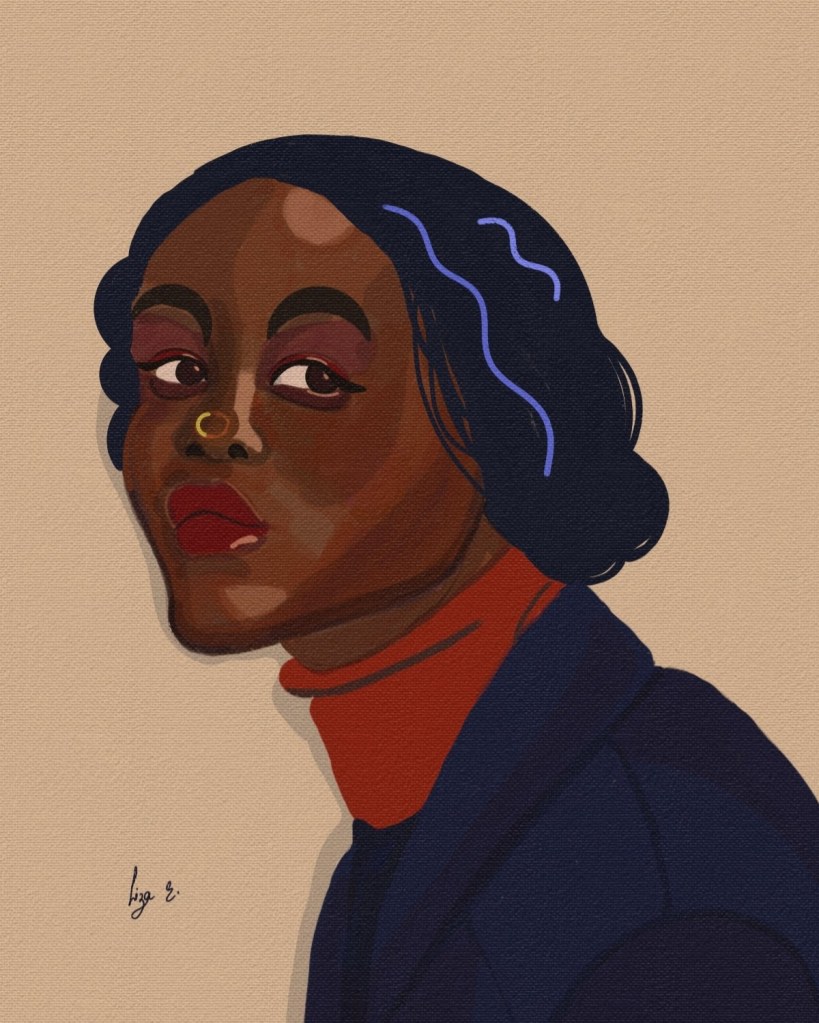
Elizabet Yessiien‘s art tells a story of evolution, transition, and a deep-rooted passion. With every brushstroke echoing whispers from distant epochs, she’s an artist who boldly tackles transitions with curiosity—from writing, to coding, to visual artistry. Her art, characterised by strategically placed fluid lines, bares a raw, arresting honesty, suggesting waves of change ready to erode age-old structures.

A Nigerian-Ukrainian, Elizabet, fondly known as ‘Liza’, moved to Germany for her Master’s in English Literature and Culture during the escalation of the Russo-Ukrainian war in 2022. As an artist, Liza draws and paints with passion evident in the way she gives herself to her craft. Yet, amidst these transitions, it seems visual arts may have found a lasting place in Liza’s heart. ‘Somehow, in the midst of this, making art has made me happy, so while I still work on finding myself, it’s what I’m sticking to in the meantime,’ she says.

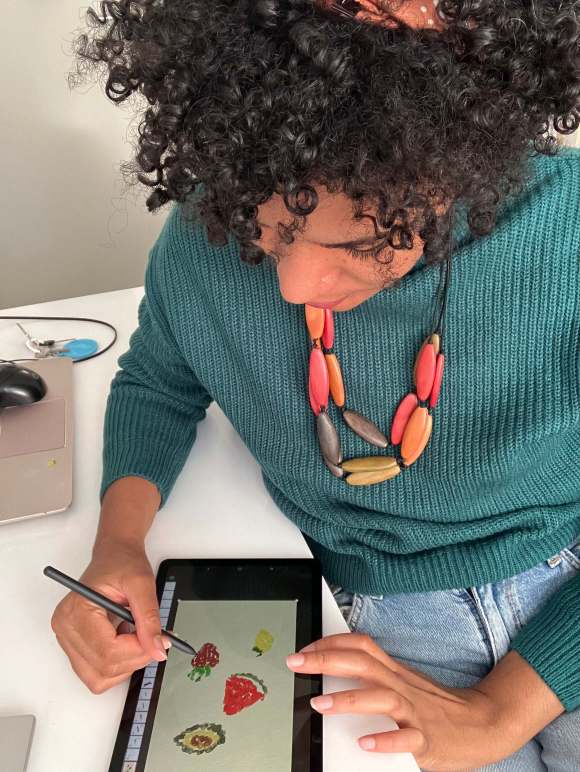
In this exclusive interview, Liza was gracious to share her art and art processes and techniques with us. We were also excited to chat about her journey and her transitions from writing to painting, as well as the future of her art.

This conversation was conducted by Ifunanya Okolie in September 2023. Elizabet granted Creatives Around Us permission to feature her photos.

Liza, for those who might not be familiar with your journey, could you share a brief introduction about yourself and your multifaceted background?

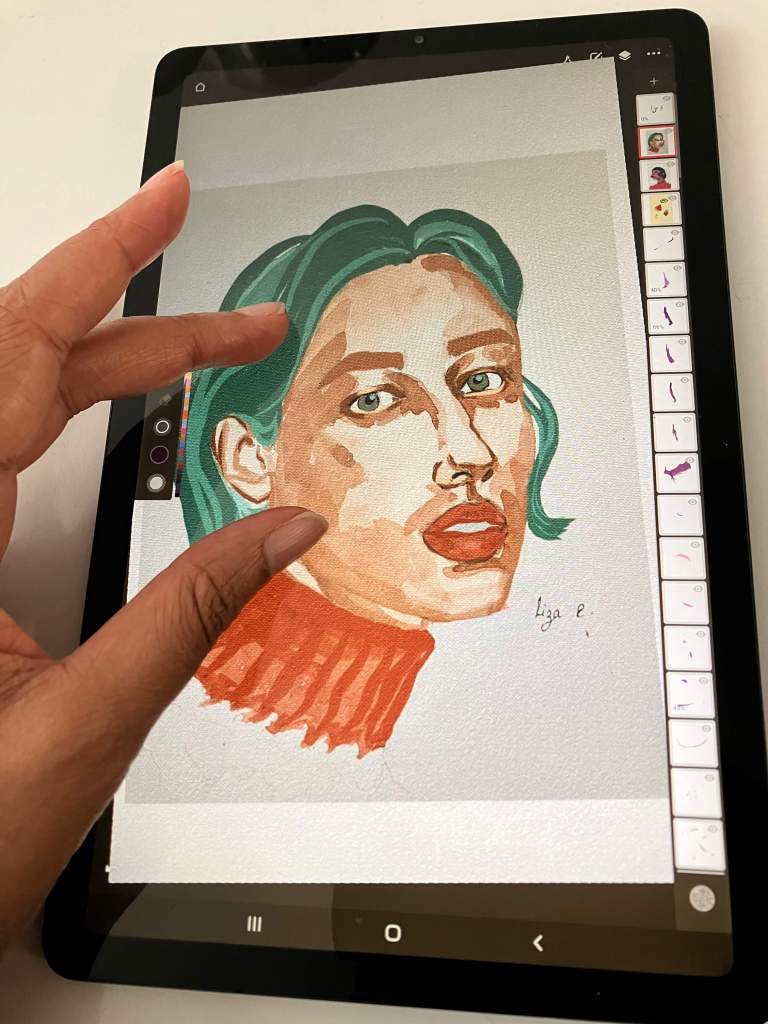
Liza: I’m a Nigerian-Ukrainian, currently living in Germany (I had to move because of the war in Ukraine) and pursuing an MA in English Literature and Culture at the University of Goettingen. I don’t have any siblings. I’m also an artist. I started as a hobbyist, but I’ve recently started to label myself more seriously as a real artist. I create a lot of digital art and for my traditional artworks, I tend to work primarily with watercolours, and sometimes I combine that with gouache.

Can you walk us through your journey from being a writer to a coder, and now an artist? What inspired these transitions?

Liza: I have these cycles where one of my interests tends to dominate the others. I wrote for a long time because I was lonely and writing was a way to find a community of like-minded people. Then my real life became more eventful and I didn’t have to run away from reality as much. Now I prefer to watch series on Netflix and I’ve become a more visual person. I learnt how to code because I thought that would be my ticket to wealth, but that didn’t quite work out for me. With an unsuccessful job hunt, the tech layoffs and all that tech misfortune in recent times, my interest started to wane again. Seeing too many ‘tech bro’ fights on my Twitter feed and all that gatekeeping around tech stacks made me recoil. Somehow, in the midst of this, making art has made me happy, so while I still work on finding myself, it’s what I’m sticking to in the meantime.

How has your background in English Literature and Culture influenced your approach to art and design?

Liza: I’ve given this some thought and honestly, as much as I’d like to find some connection so I can weave out a story of connectedness, I really don’t think it has. I think a part of this is because I don’t try to tell a story through my pieces, so there is no grand theme. Maybe sometime in the future, I might incorporate that. At the moment though, I just like to draw and paint pretty things and most of the time, that means beautiful female portraits. 

Who or what have been your biggest inspirations throughout your artistic journey?

Liza: I don’t have any artist I follow religiously to build upon, however I’ve admired certain artists like Tom Froese. His ‘odd bodies’ illustrations have helped me think of human bodies in a less structured way. I generally tend to follow artists who have a playful element to their work as well as use bold splashes of colour.

Your first charcoal portrait on Instagram highlighted the challenges of working with charcoal. How do you decide which medium to work with, and how do you adapt to its unique challenges?

Liza: For me, art has to take away from my stress, not add to it. Charcoal adds to my stress :), so unfortunately, I will not be going further with it. I’m however glad that I had some practice with it because I think it’s important to try new things. So far, watercolour has been the least stressful for me to use. The clean up after painting is so easy. Literally just wash your brushes in water and you’re good to go. You can also paint outdoors with watercolours. There are so many portable sets for travelling artists. The versatility of this medium is amazing, so it’s my all time favourite. I also love working digitally because it is the most forgiving. You can undo as much as you want and build on new layers, allowing for the greatest flexibility and freedom of expression. This is a double-edged sword because if you’re not careful, you could iterate till infinity and never finish an art work. With watercolour on the other hand, there is a limit to how many layers you can paint before your paper decides to buckle up, so at some point you need to wrap it up and show off your finished piece of art.

How do you approach a new piece of art, especially when experimenting with new techniques or mediums like the loomis method?

Liza: I approach it with excitement. At the end of every piece, one thing I know for certain is I have become a better artist just because I practised and another thing I aim to achieve is a work of beauty. So I see art as a chance to study and improve as well as a medium of self expression and creativity. I usually watch tutorials on YouTube and look for inspiration on Pinterest to generate ideas of how certain things can be done.

How do you decide which tools or mediums to experiment with, and what has been the most surprising discovery for you in these experiments?

Liza: When I see something I admire in a medium I’ve never or rarely used, I crave for the experience of creating it myself. That builds into an obsession and so eventually I find myself looking for the tools to create something similar. 

How has your journey into drawing and painting influenced your work as a UX designer?

Liza: I’ve actually stopped practising my UX design skills. While I was learning how to use UX design tools though, I could see an overlap in things like colour theory. Apart from that, there are very few similarities in these fields for me.

You’ve transformed paper sketches into digital art. Can you describe this process and the tools you use?

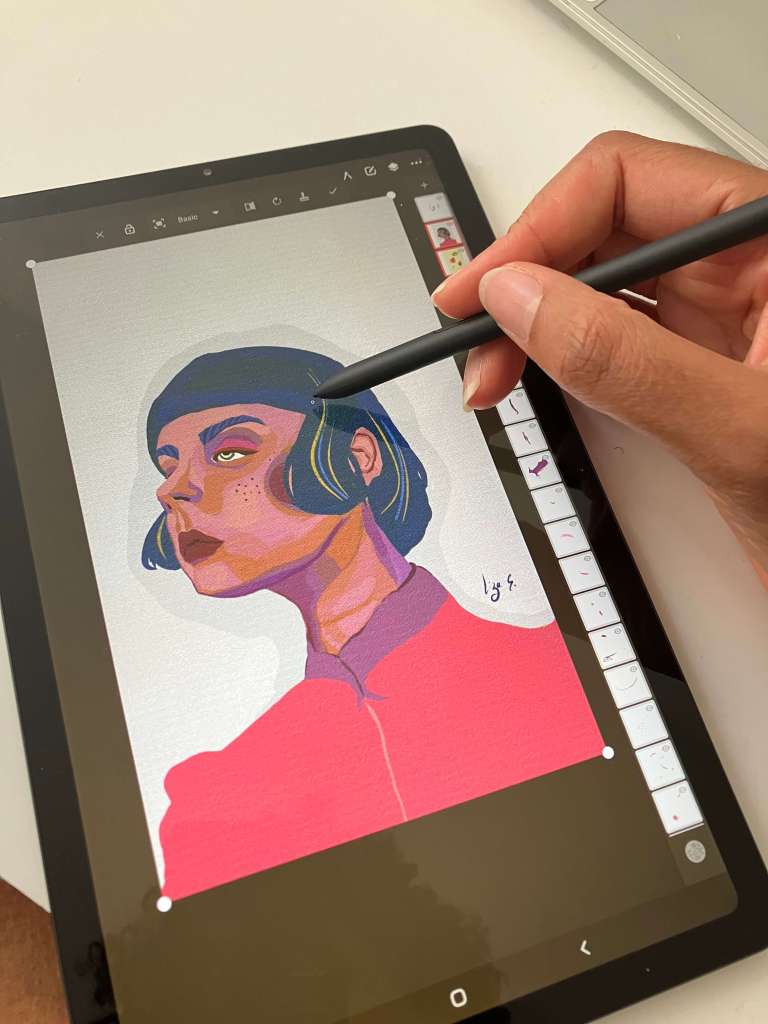
Liza: Yes, I usually start with the paper sketch, then I take a photo of the drawing with my drawing tablet. I upload it to my drawing app of choice which is currently Infinite Painter. Then I create a digital outline of the uploaded sketch on a new layer and from there I paint with my preferred brushes.

How do you see the intersection of art and technology in your work, especially as both an artist and a UX designer?

Liza: These two are actually quite separate for me. The tools I use are different. The reasons for creating are also different. UX design is rarely ever done for me. My creative art is usually me-centric. I am not trying to please a business or help them get customers or follow ‘industry standards’ when I create art.

How do you envision the future of your art? Are there any new tools, mediums, or techniques you’re eager to explore?

Liza: I just want to be really good at it. I am not eyeing any new mediums at the moment, because I haven’t seen anything as stress free as the ones I currently use. So the future of my art is just me creating my art with a better sense of direction and technique.

With your diverse skill set, what’s next for you? Are there any projects or collaborations on the horizon?

Liza: Growing my Instagram account is my current project. I started taking it seriously a month ago by making reels consistently. That’s the way to grow on Instagram, and I’ve come to accept that my stills are not going to help my reach. I want to be better at creating video content around my creative journey.

For those looking to explore new artistic tools or techniques, what advice would you give?

Liza: Do whatever you like. I’ve always told the people I talk to that trying out things for the sake of fun is how I like to approach art. So, it’s the same advice I’d give someone else. Just have fun with the tool and express yourself. You will definitely stumble on something interesting.

Reflecting on your journey, is there anything you’d do differently?

Liza: Yes, I wish I’d started making reels earlier.

What message or feeling do you hope people take away from your art?

Liza: I want them to think of my art as colourful. I use a lot of what I consider to be happy colours. So I hope people look at my art and think of how vibrant it looks and that it evokes feelings of warmth and happiness.

Are your artworks available for sale? If so, where can readers and admirers of your work find them?

Liza: Not yet. I am still allowing myself to create for the sake of creating. If I do sell them, I will only be selling pre-made art and will most likely never do commissions.

You can follow Liza’s art on her Instagram.

Categories
fashion interview

From Fashion School to Global Entrepreneur: Ogechi Okolie’s Journey as Gechi Signature

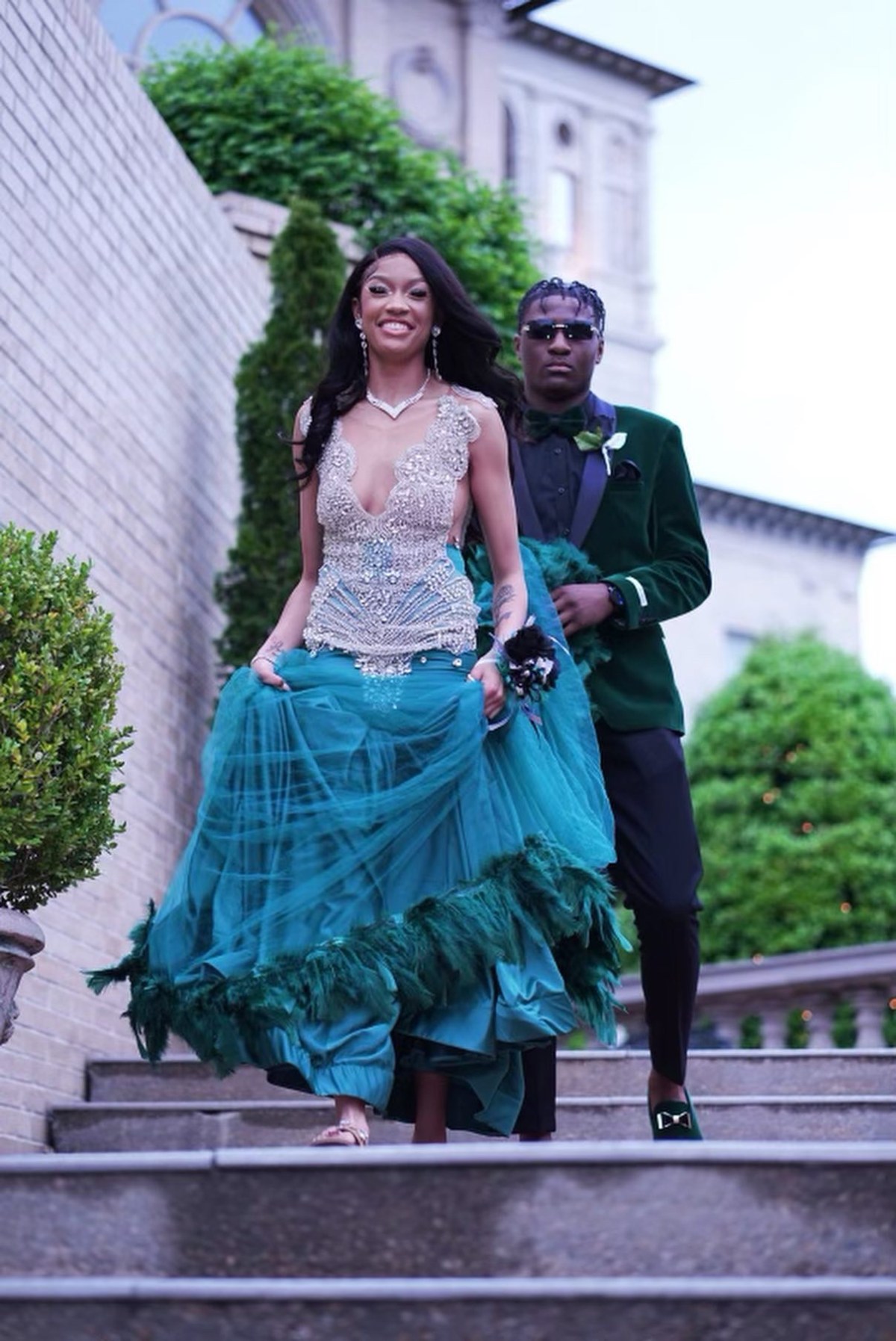
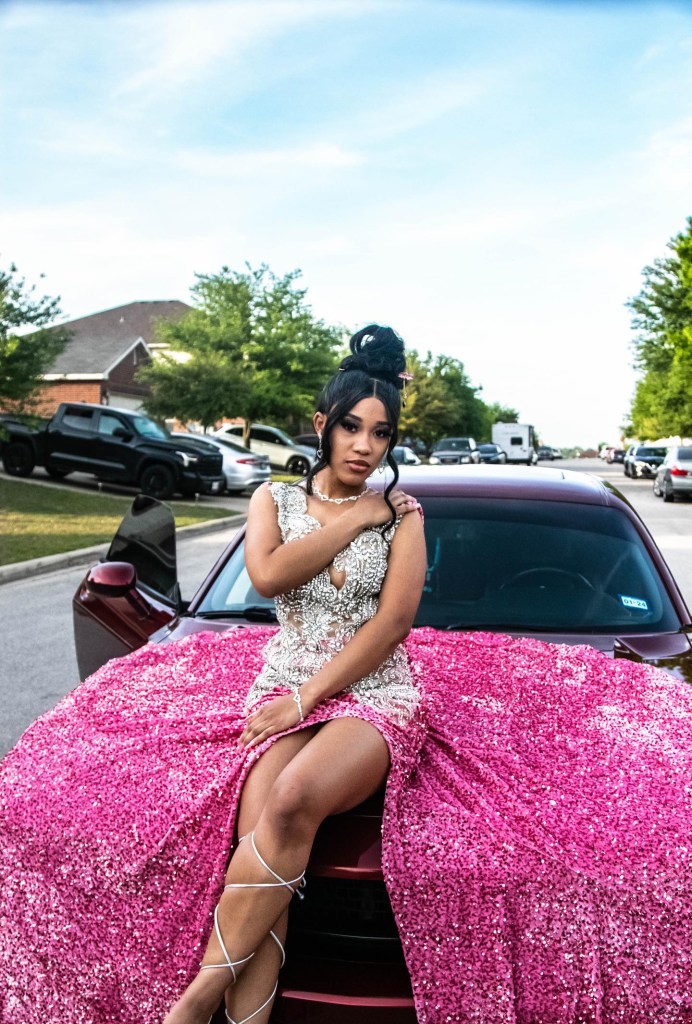
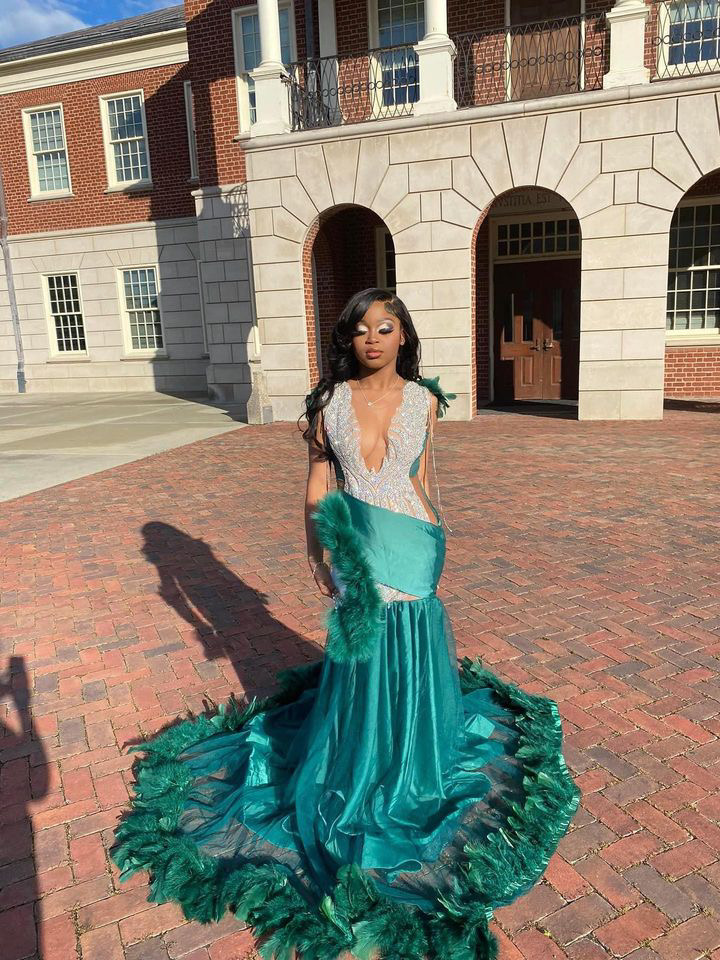
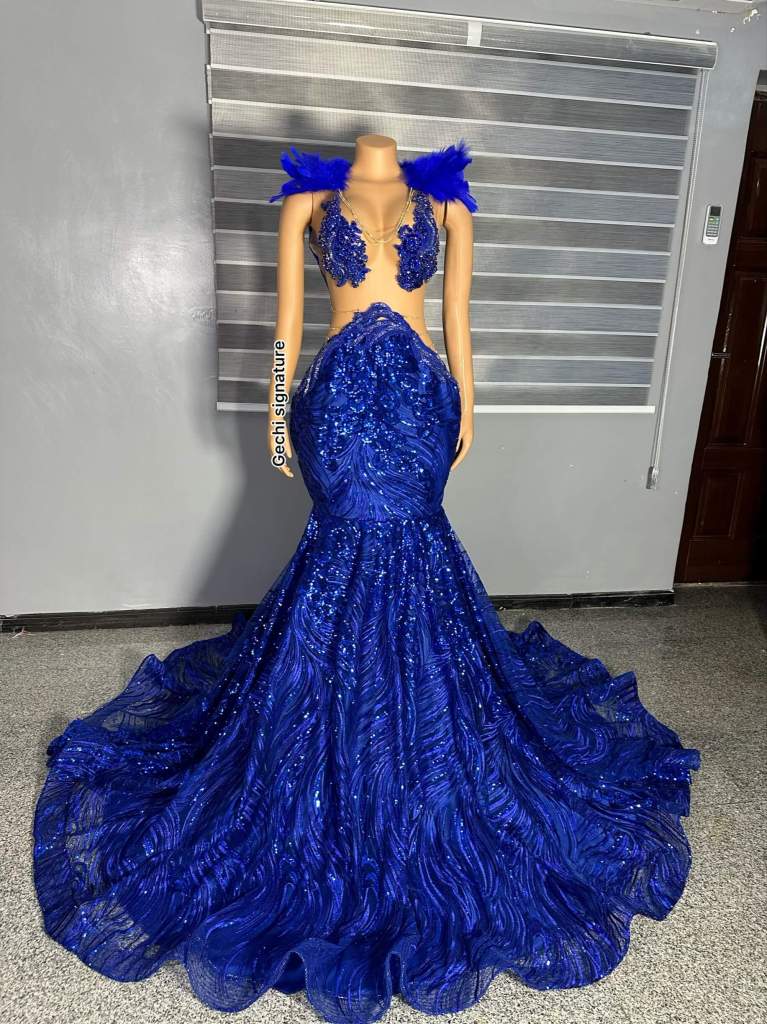
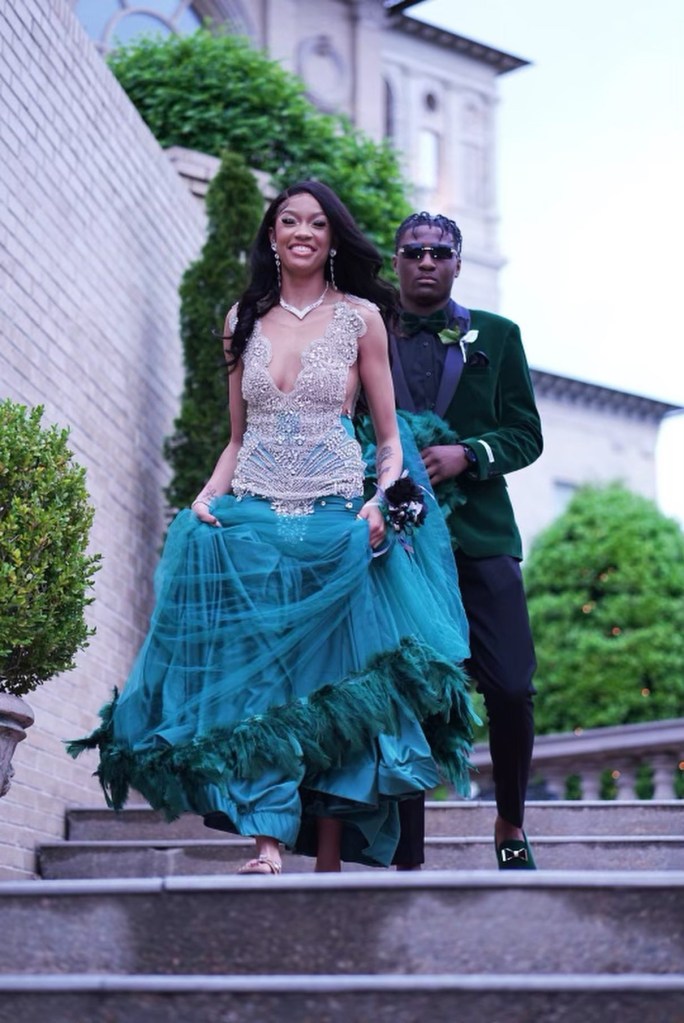
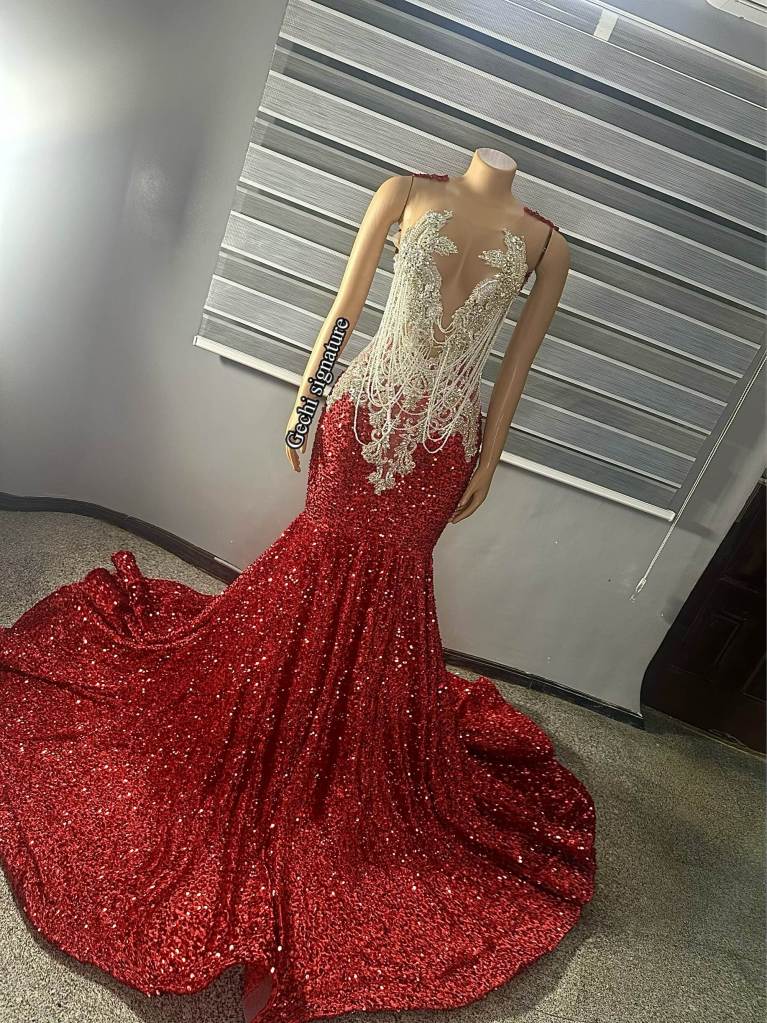
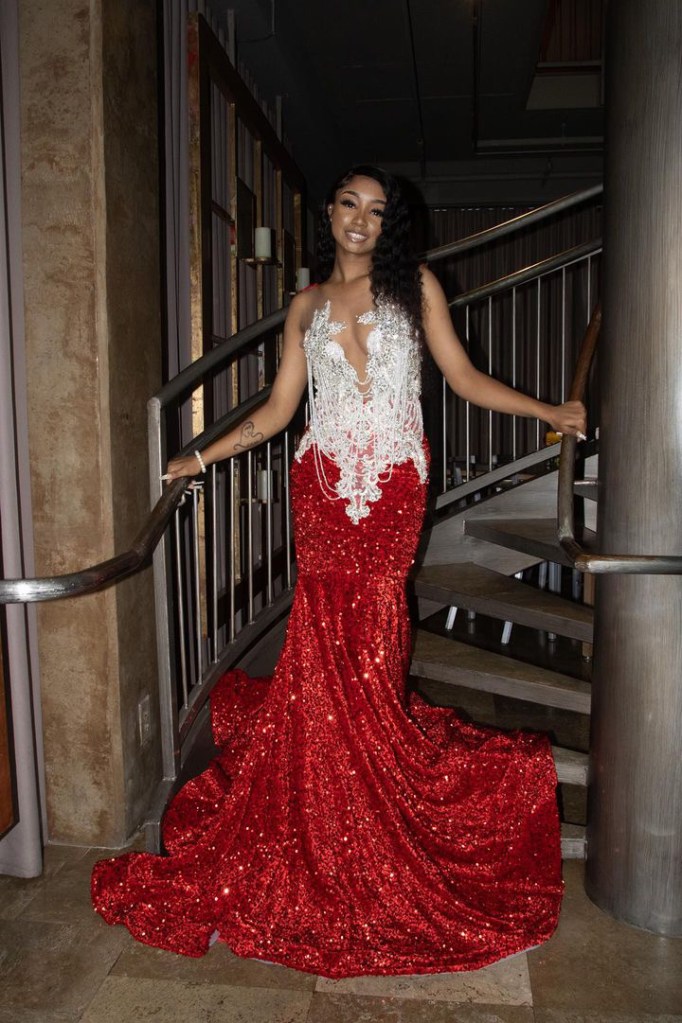
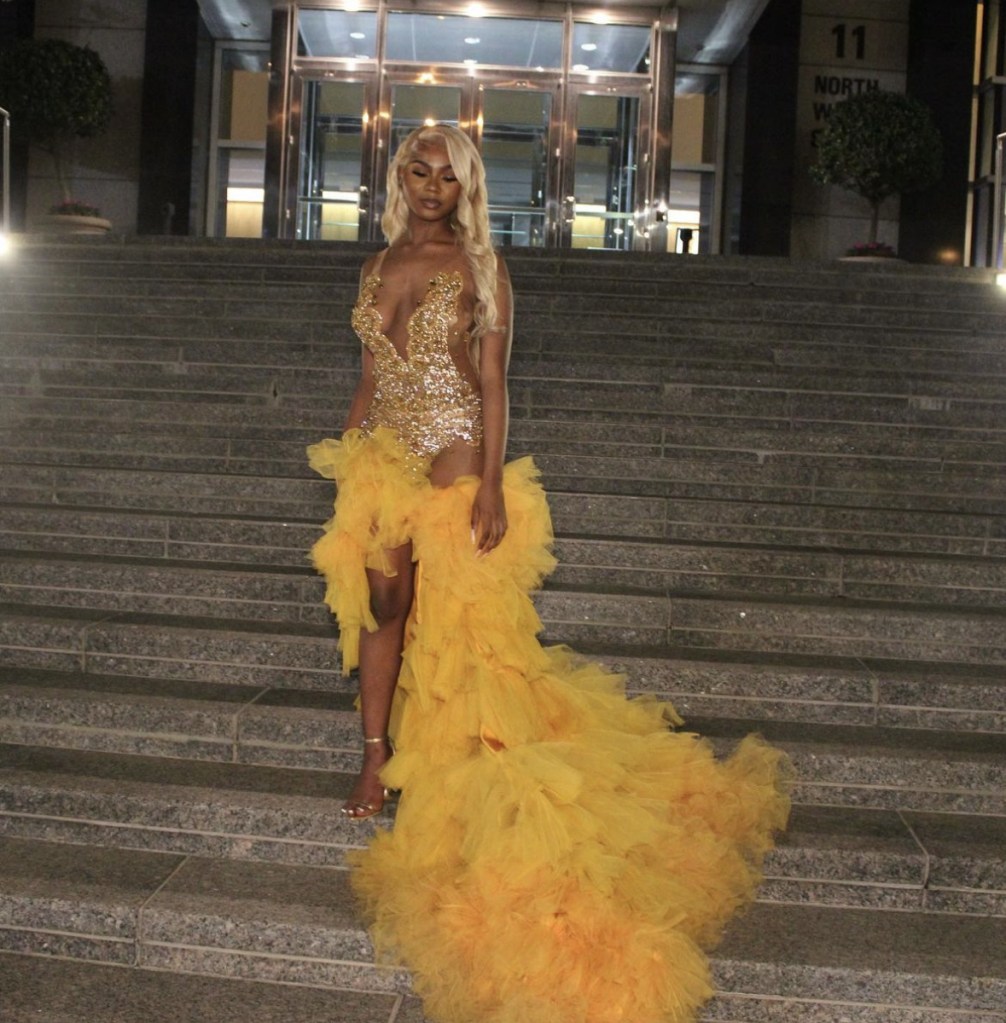
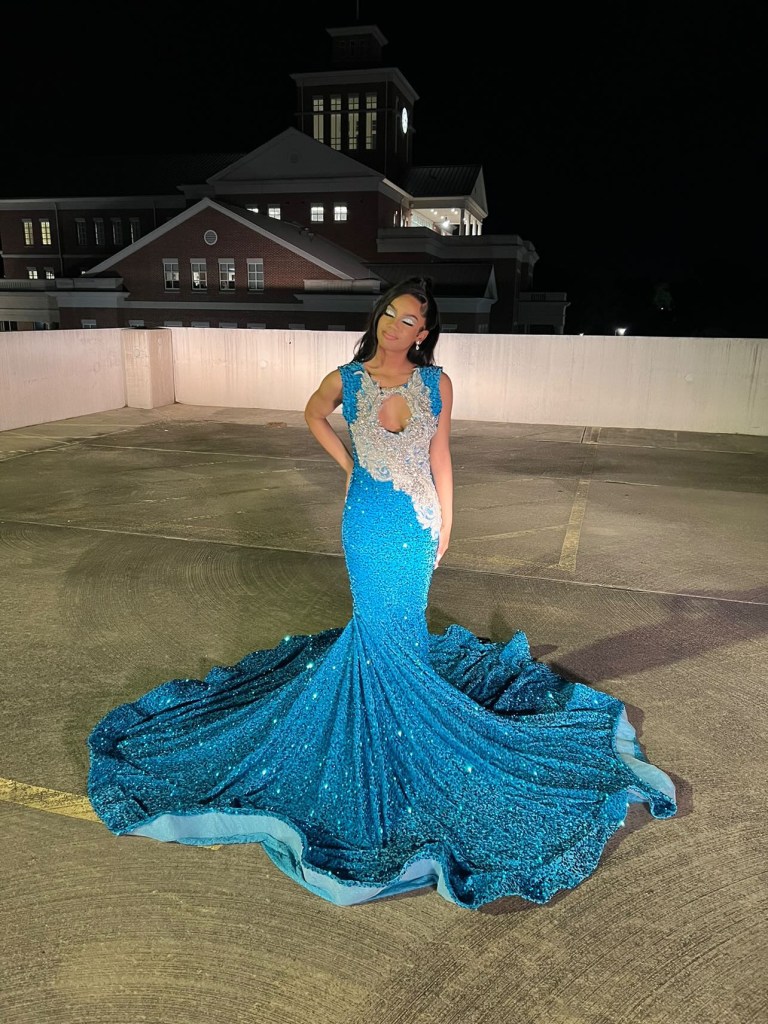
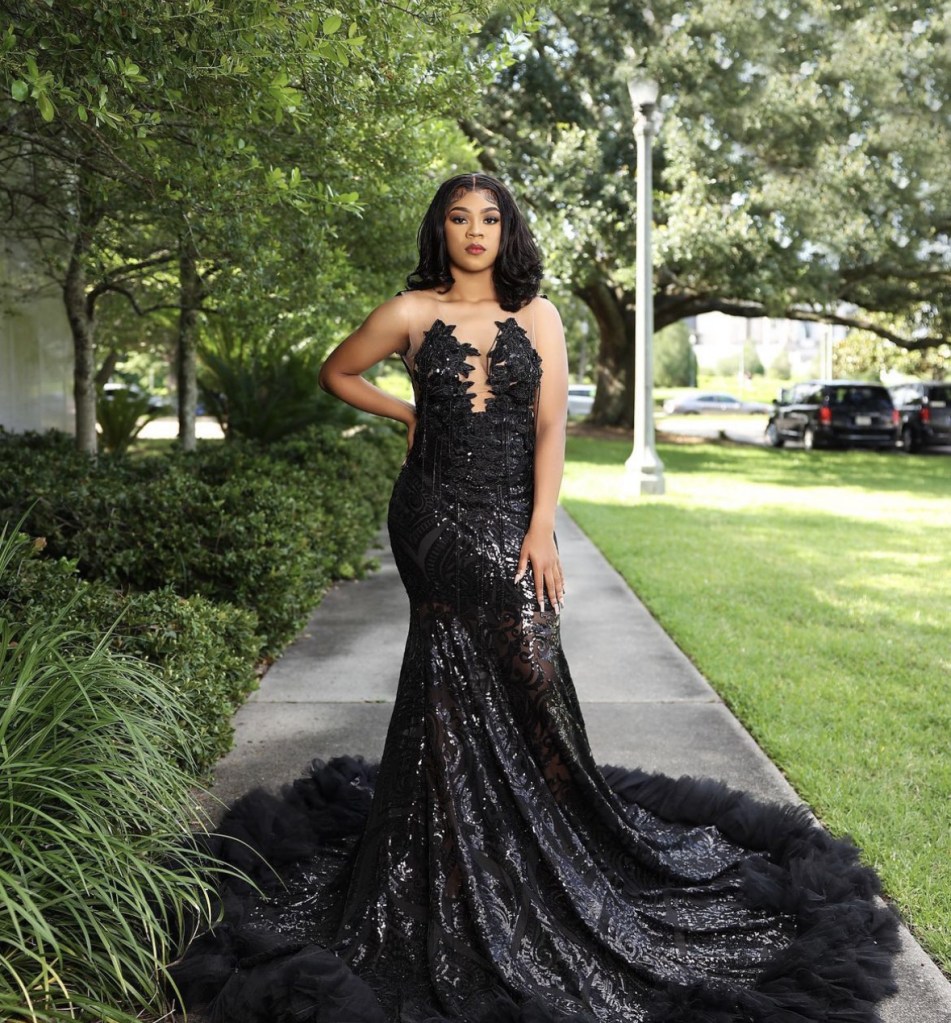
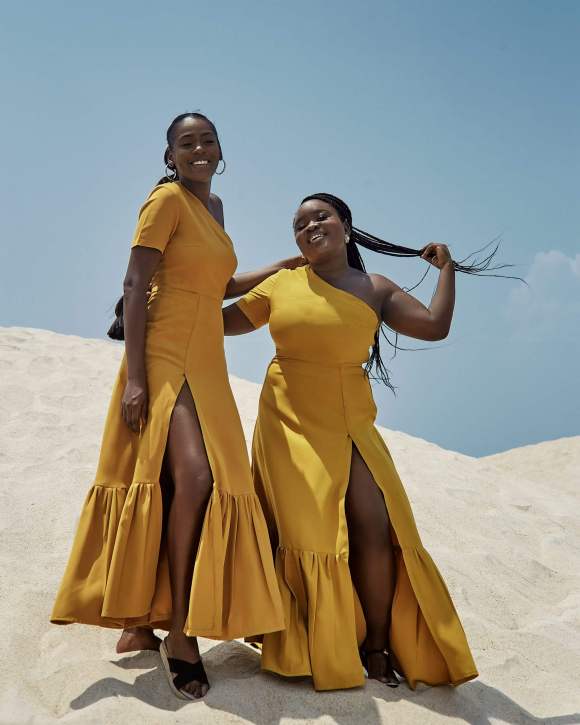
Nigerian fashion designer Ogechi Jennifer Okolie is steadily making her mark in Nigeria and beyond with her brand, Gechi Signature. Her standout custom-made dresses have become the buzz on the international scene, as glowing reviews from her clientele fill her Instagram stories and posts with photographs of the girls donning her creations at prom or memorable dates. Their smiles—and those of their partners—convey volumes about their satisfaction with the fashion designer’s expertise in making their fashion desires come true.

Ogechi Okolie started her fashion journey as an apprentice in a fashion school in Ikeja Lagos in 2018, where she spent 12 months under the tutelage of a madam who owned a fashion school in one of the busy areas in the city. As one of the students who had to transition into the fashion industry out of financial necessity, Ogechi felt both challenged and inspired. “Everything was overwhelming at first, she admits, “but I followed my heart. I came to a point where I had no way of turning back because all I wanted to do at that moment was learn fashion.”

After her industrial training at the fashion school, she moved to Ibadan in 2020 and found a fashion workshop where she interned for three months. She needed more experience to get better. Ogechi shared that her challenges as an intern at Anike fashion school were due to the high cost of transportation and the fact that the fashion house was far from where she lived. Adapting did not come easy for her, but she did graciously, unaware of what the future held for her.

Starting as an independent professional felt like a dream come true as she got her first client upon opening her first store on Etsy. She sewed as her clients trickled in steadily, bringing in a wave of other people to experience her expertise. 

While she relished the successes on Etsy, Ogechi soon faced hurdles that threatened to derail her entrepreneurial journey. Navigating the online marketplace, especially as a Nigerian vendor, was riddled with complications. PayPal, a prominent payment gateway on Etsy, posed a significant barrier. Payments were inaccessible to Nigerian merchants, forcing Ogechi into cumbersome workarounds: “I had to pay to link other people’s PayPal accounts to my Etsy shop,” she recalls. Her challenges were exacerbated when Etsy imposed restrictions on Nigerian sellers, abruptly severing her from her growing clientele.

Yet, every ending marks a new beginning.

Enter Afrikrea, an online marketplace tailored for African-inspired fashion. The platform emerged as a beacon of hope for Gechi Signature. Starting from scratch, Ogechi had to navigate this new space, grapple with its unique challenges – including a monthly subscription, high sales fees, and withdrawal fees – and work diligently to rebuild the trust of her previous customers while attracting new ones. However, Afrikrea aligned with her roots and offered a fresh opportunity to showcase her creations on a platform that celebrates African craftsmanship.

Reflecting on how she felt when she received her first review, “Over the years, I have gotten so many positive reviews from my clients. They always feel happy and beautiful when they wear their dresses,” Ogechi says with pride, “and that makes me really happy. It always gladdens my heart when I see my clients happy because the goal for me is making happy clients.”

Ogechi continues, “My designs significantly impact my customers mostly on how I make them look after wearing a dress I made. The positive reviews on social media attest to this, and I make a point of reading through these comments. I’m glad that they not only enjoy wearing my clothes but also appreciate the creativity and effort that goes into each piece.”

When asked about the driving force behind her work, Ogechi doesn’t hesitate, “My passion.” Drawing in her breath, with the passion she spoke of clearly afire in her eyes, she continues, “My passion is to make people look beautiful through my craft.”

Ogechi envisions her brand, Gechi Signature, evoking “elegance, style, and beauty,” adding, “When people think of Gechi Signature, I want the first thought to be ‘Stay beautiful and confident with your fashion style.’ That is my brand message.”

Having an assistant has been helpful for Ogechi by taking off some of the workload from her. She has had to deal with overwhelming bookings, which led her to reject orders at some point.

Acknowledging the designers before her, Ogechi shares that her inspiration comes from other passionate designers who remain true to their originality and vision. She promises to keep the faith to keep her creative juice flowing so she does not lose sight of her purpose and mission.

We asked Ogechi for her advice to those starting as fashion professionals, and she shared, “Keep gaining knowledge. Don’t think you have learnt enough because fashion is a trend that keeps moving forward.”

Commenting on how her fashion journey has changed her and her plan for the future, Ogechi says, “This journey has been fantastic. Reflecting on how I started, it never occurred to me that I could gain this much confidence in portraying my gift to the world. Finally, I plan to keep learning and adding more creative innovative styles to the industry.”

Ogechi Okolie’s collections are available on her website. To stay updated with the latest designs and trends from Gechi Signature, make sure to follow the brand on Instagram, TikTok, and Threads.

Creatives Around Us granted permission to feature photos by Gechi Signature

Categories
art creatives interview

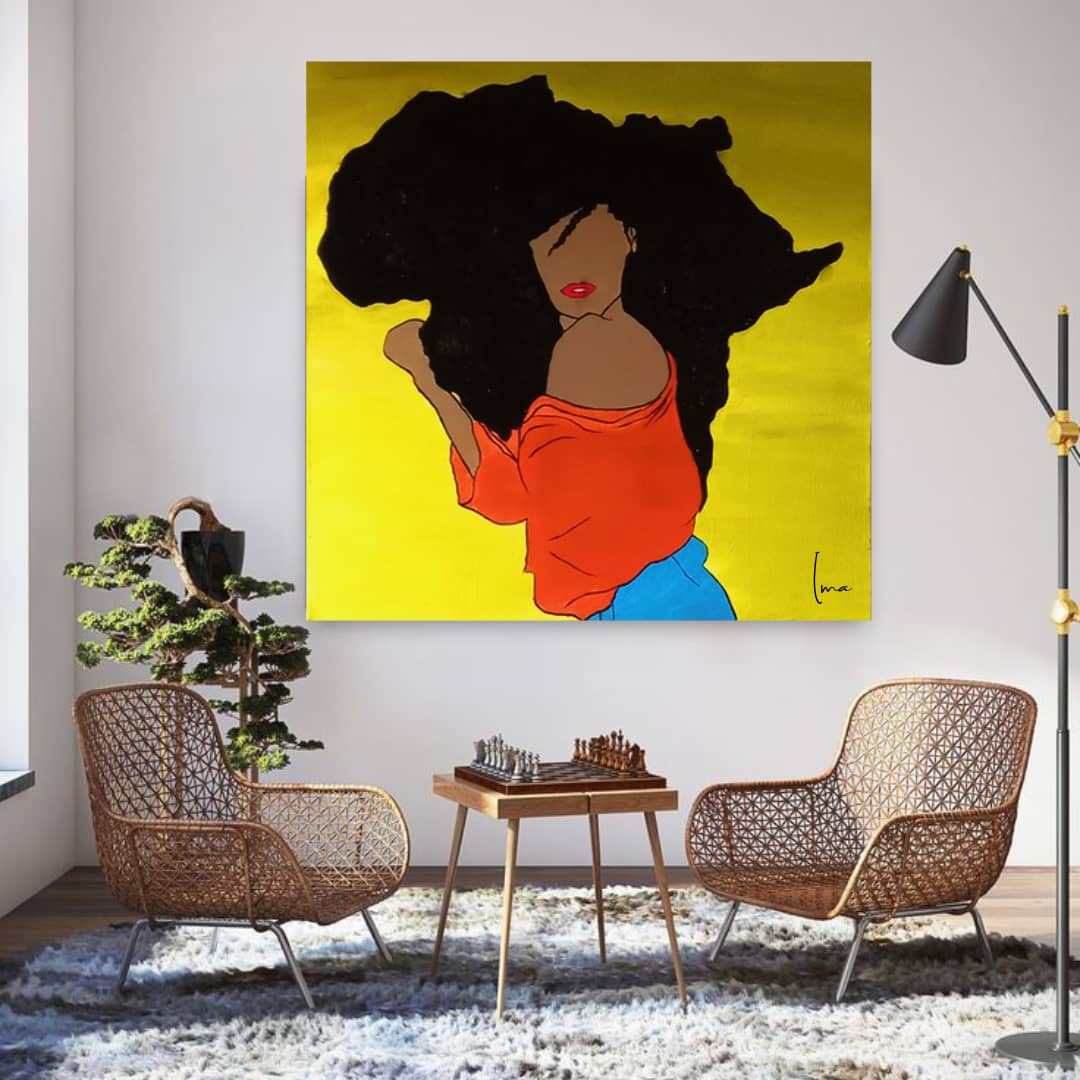
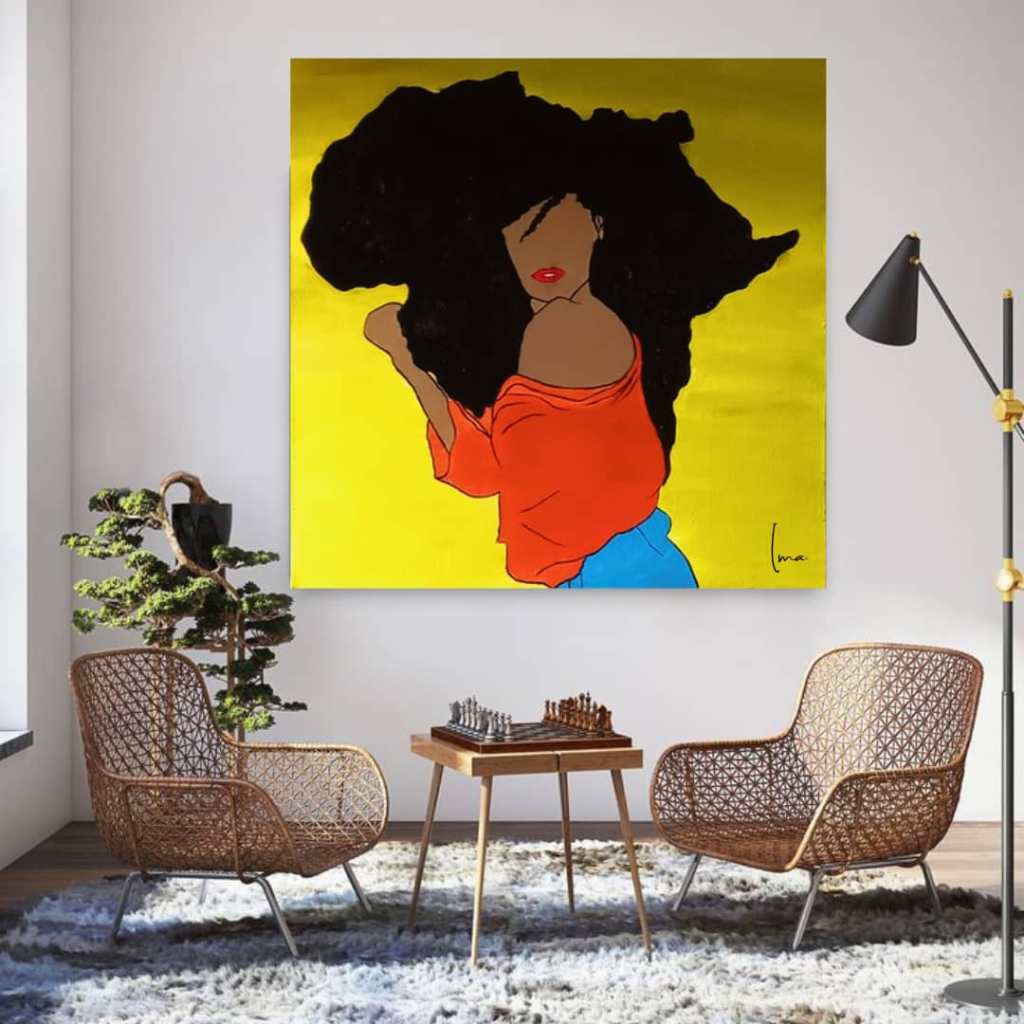
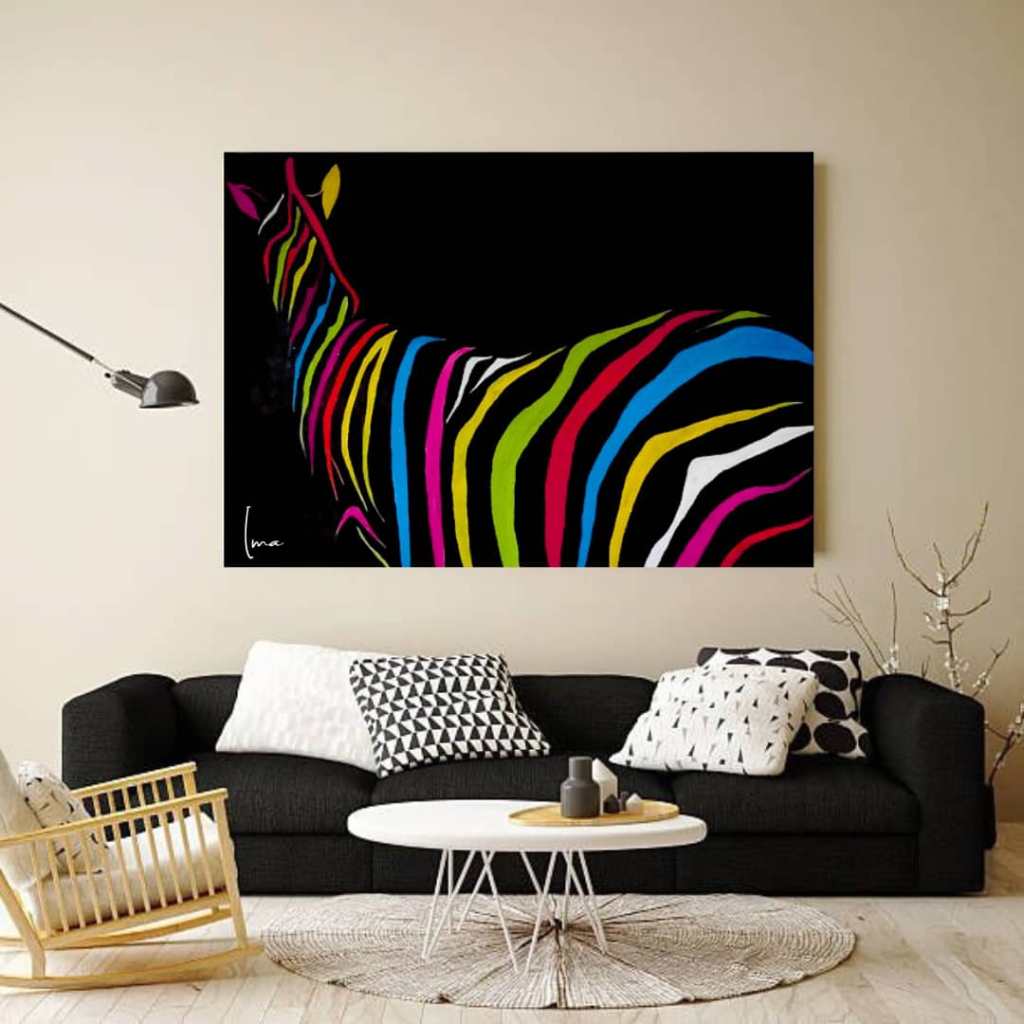
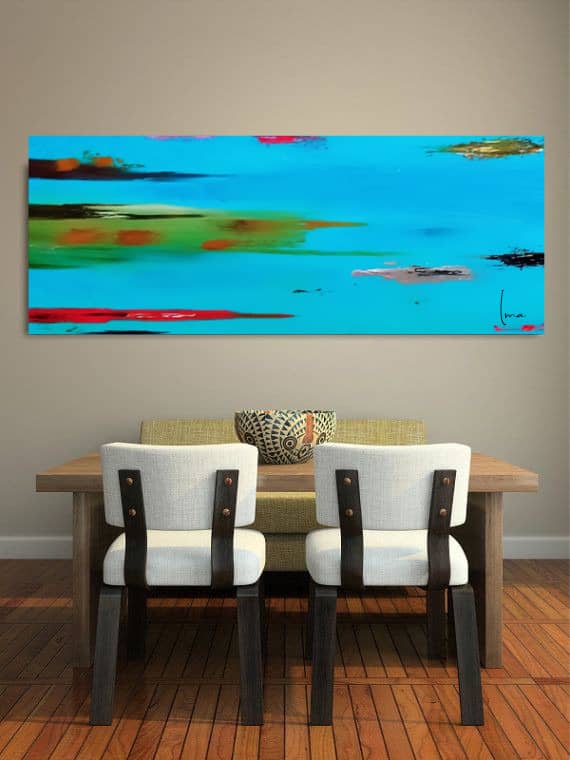
From Doodles to Canvas: Ima Udofot’s Journey Through Painting Life’s Patterns

Nigerian artist Ima Udofot traces her art journey from a casual doodler to a passionate painter. Born out of the solitude of the COVID-19 lockdown, Ima’s art captures the patterns of the world around her.

With nature as her biggest muse, Ima’s art is as much a personal reflection as it is a study of the world. She paints with the spontaneity of a child, capturing her wild imagination on the canvas, and has experimented with mediums from acrylics to ceramics.

Beyond her creative process, Ima’s art is a clear attestation to the healing potential of creativity. As she painted her way out of depression, Ima started seeing art as a therapeutic tool that heals the mind and body.

With big dreams of owning an art gallery and creating mind-blowing artworks, Ima’s journey demonstrates how art can transform life.

In this exclusive interview, we chat with Ima about ‘Ima as an artist’ and her plans for the future.

Can you tell us about your background and how you started painting?

Ima: Art has always been a massive part of my life. Although I pursued an academic rather than creative path, which made me not to find it so interesting in school, I have always been fascinated by the patterns that occur in art and the natural world, and painting has heightened my appreciation of them.

Looking back and reflecting on this question, I just realised I have always enjoyed art from an early age, and creative activities have always drawn my attention. I would doodle, colour, cut and create! I’m still very much like this.

How I started painting? I remember it was during the COVID 19 lockdown when the creative part of me was really out to play, and I did not see it coming at all. Apparently it happened at a very good time. I just went with the flow intentionally, and here we are, having
this conversation about me and art. By this time that year, nobody knew me to be the girl that loves painting; this makes me even more grateful for this moment and conversation.

What was the catalyst or the “accidental” event that led you to discover your passion for painting?

Ima: Basically, I had more time to focus on myself for the first time without any distractions from the outside world. It was truly a discovery because, like I said, I didn’t see it coming.

Who or what are your biggest inspirations and influences in the art world?

Ima: Hmmmm… It varies. It varies from nature being my biggest inspiration, to things around me, like patterns from clothes or objects, colours, and even conversations. In all, my biggest inspiration comes from my love for nature.

Can you describe your creative process? How do you approach starting a new piece and deciding on a subject matter?

Ima: I don’t exactly have a process. It’s more of spontaneous bursts of energy that go hand in hand with my wild imagination. I believe it’s about seeing things in an artistic light, taking a situation, putting a story behind it, and making it into a masterpiece.

How has your painting style evolved over time? Can you share any key turning points in your artistic journey?

Ima: My painting style has evolved in ways I had never imagined before now. I started off with painting from Acrylic on A4 papers to little art canvases, flower pots (hehe, shout out to Edak pot from Ekondo plant community), ceramic mugs, and now big canvases.

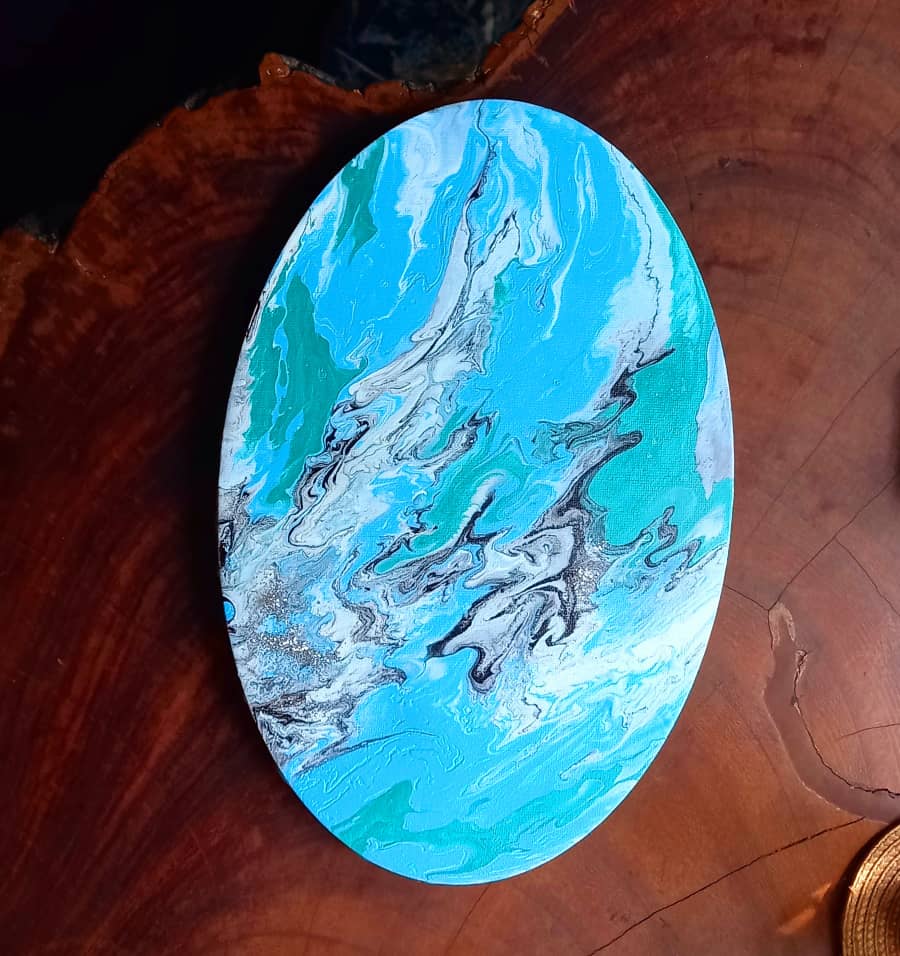
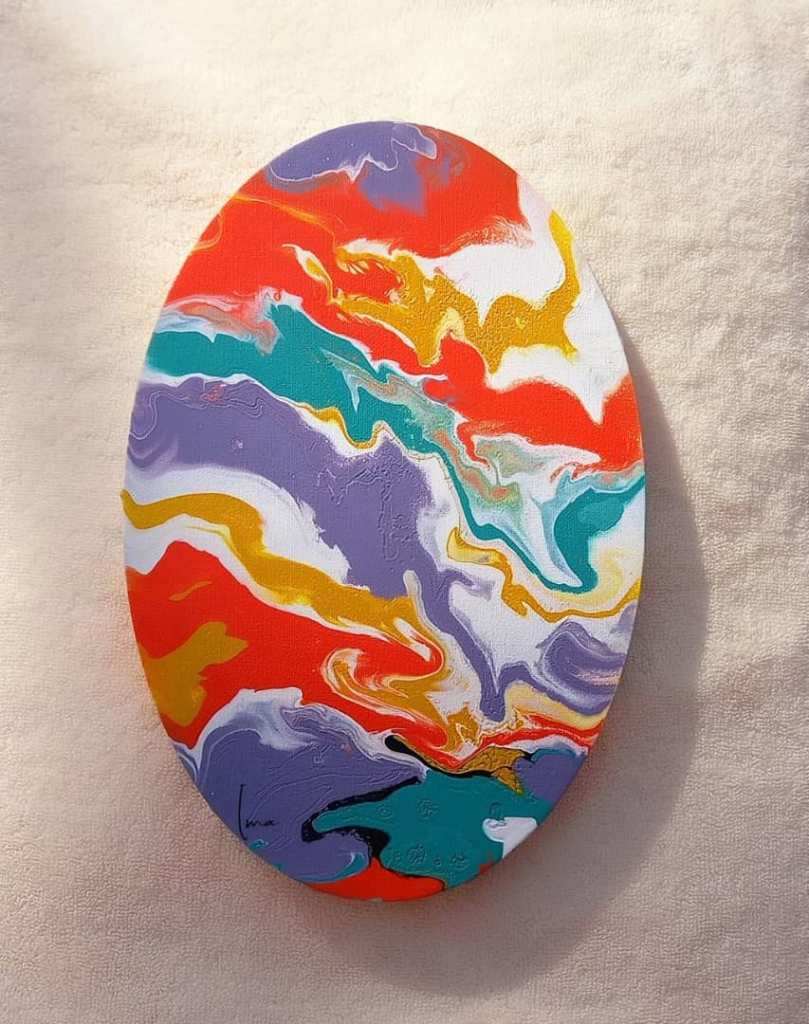
I have also gone from brush medium, to dabbing and pouring. Having explored all of these, I would say that Acrylic on canvas is my favourite thing to work with, and I look forward to going bigger in that field.

As for my key turning point, I once got into depression, and, long story cut short, that was when I explored painting on ceramic cups. I got my dad to support me by commissioning me to paint over 100 pieces for my grandma’s funeral souvenirs. This was a very therapeutic project for me, and at that point, I was really convinced that art heals the mind and body. I highly recommend!

What advice would you give aspiring artists who may not have the opportunity to attend art school or pursue formal training?

Ima: My advice to aspiring artists is: just do you! It starts from within. Once you establish that, every other thing works. It’s okay to get inspiration and ideas from outside, but nobody can be you, and that’s your superpower. And in addition to that, utilise online materials, watch tutorials online, feed your creative mind with creative content, pay attention to details, and keep practicing until you arrive at what works best for you. Lastly, consistency is key!

How do you stay motivated and overcome creative blocks in your work?

Ima: Honestly, I just believe that everything is a process and in fact a gradual process. Creative blocks are inevitable, so I take breaks when I need to and come back better. The motivation will always come naturally just like the creative blocks come. I don’t force things. I just keep an open mind.

What are your future goals and aspirations as an artist? Are there any specific projects or collaborations you would like to explore?

Ima: This might sound a bit cliché as an artist, but it doesn’t and shouldn’t bother me; hence my future aspirations would be to own an art gallery full of really bigggg paintings done by me, and I would love to explore resin pour arts on big canvases. I want that marble effect. I want that reflective and glasslike effect. I just want my works to be mind-blowing. I want my art to come out loud, and I look forward to the manifestation of all my big dreams and aspirations.

Ima shares her art on her Instagram and has a collection for sale on her website.

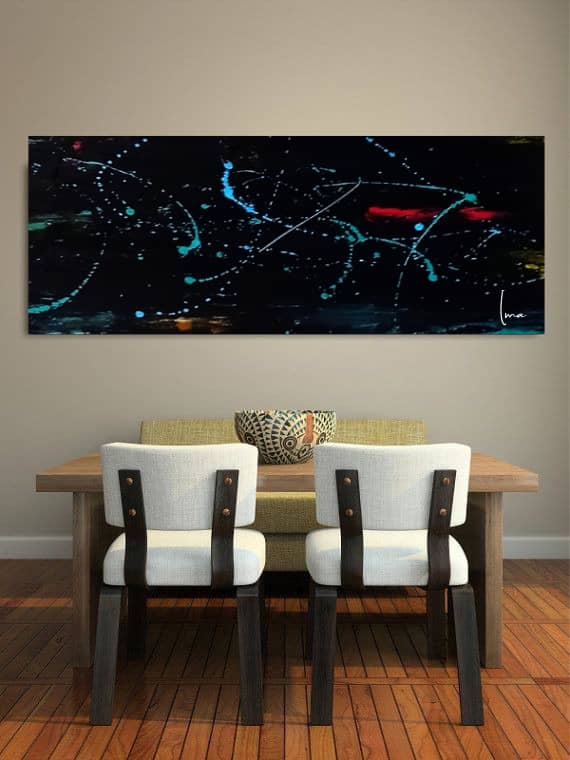
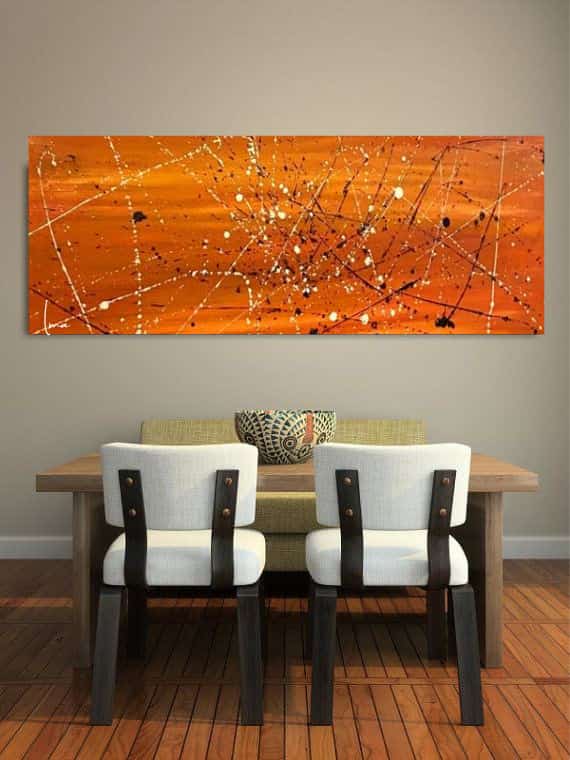
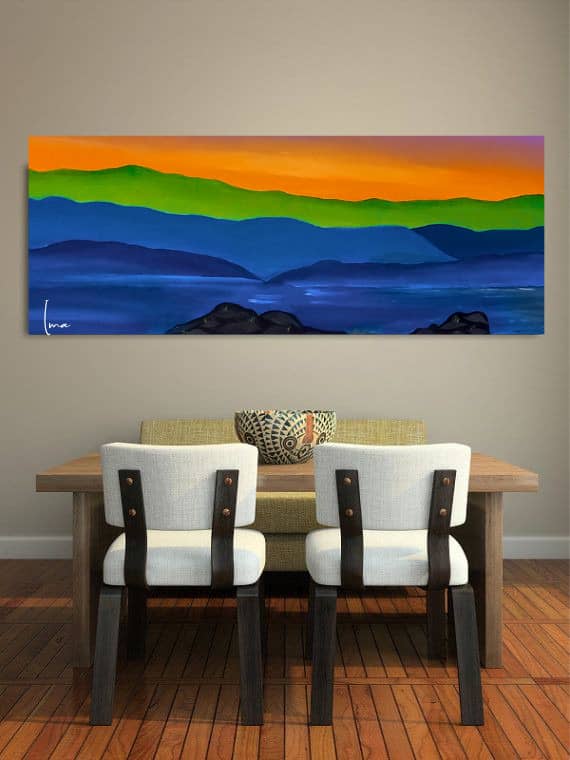
Ima painting  Acrylic on Canvas
Size: 12 × 28 inches

Creatives Around Us granted permission to feature photos by Ima Udofot

Categories
art community creatives interview

Introducing Escape 3 Points: a Sustainable Eco-Lodge in Southwestern Ghana with Akwasi Mclaren

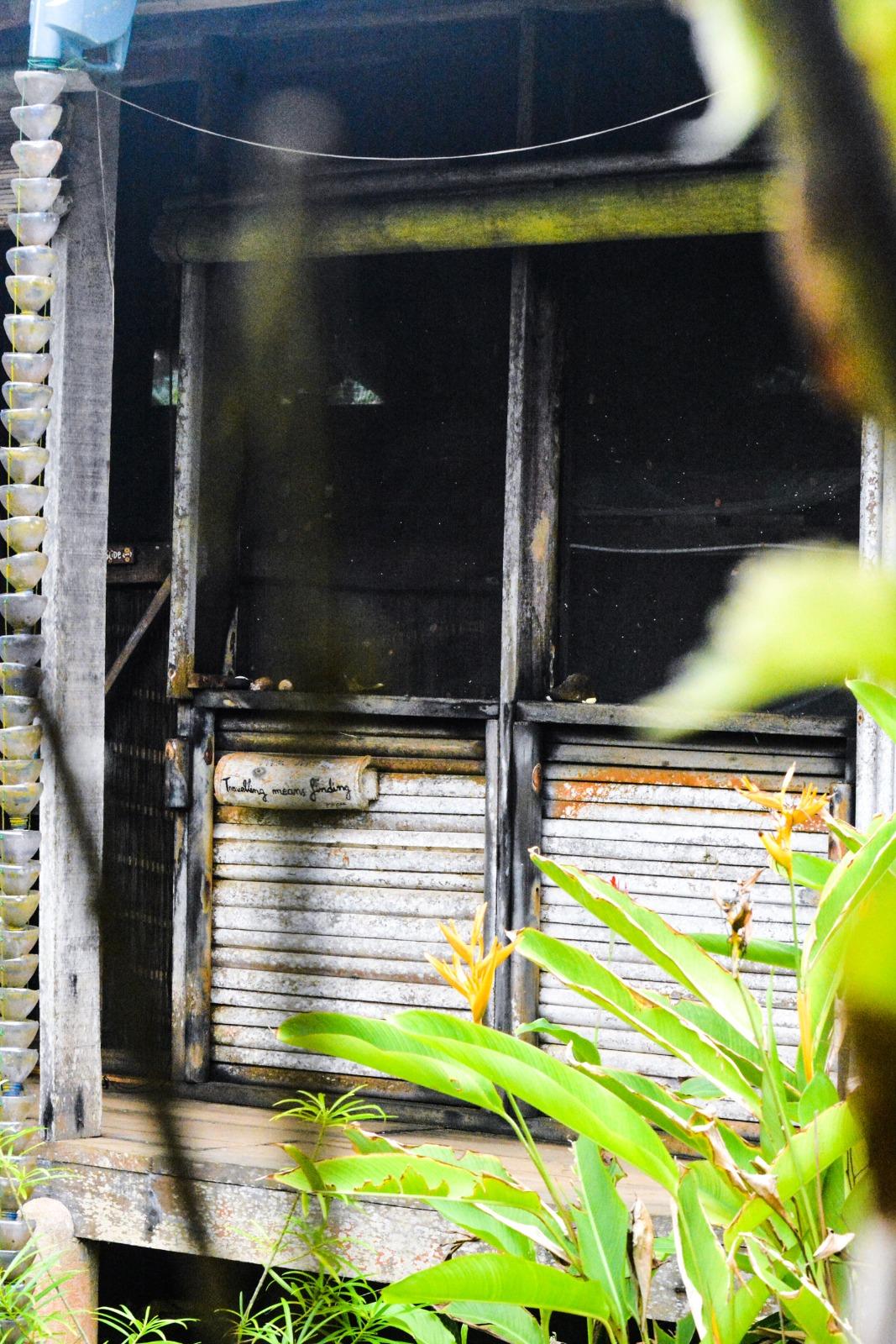
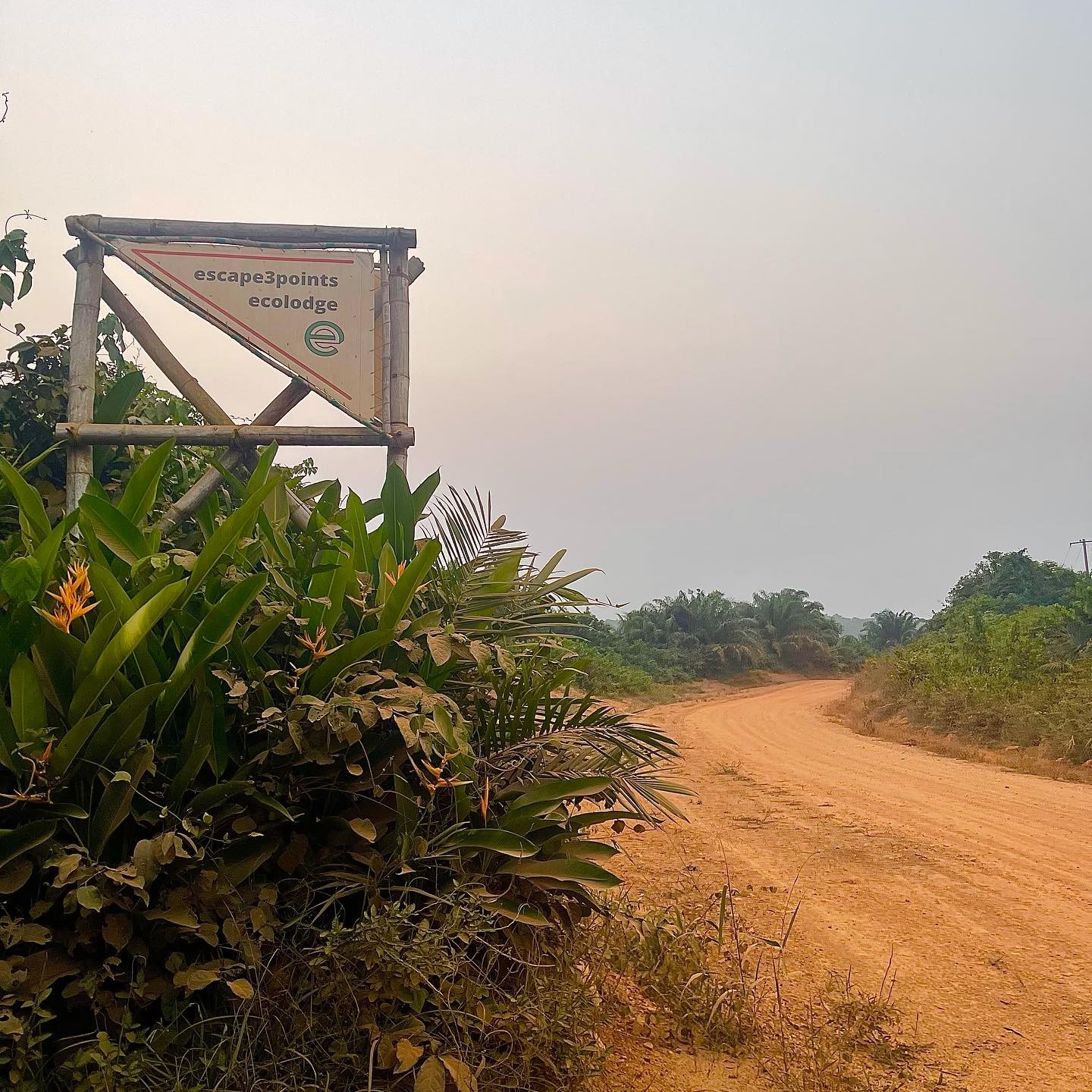
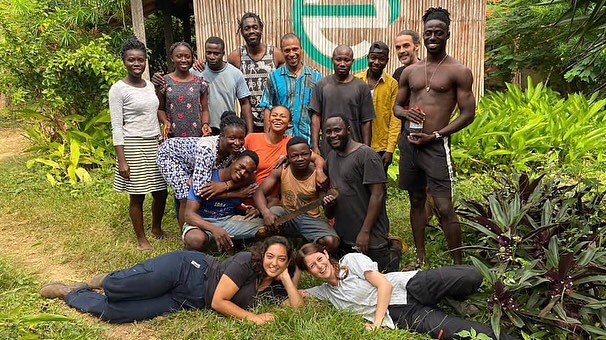
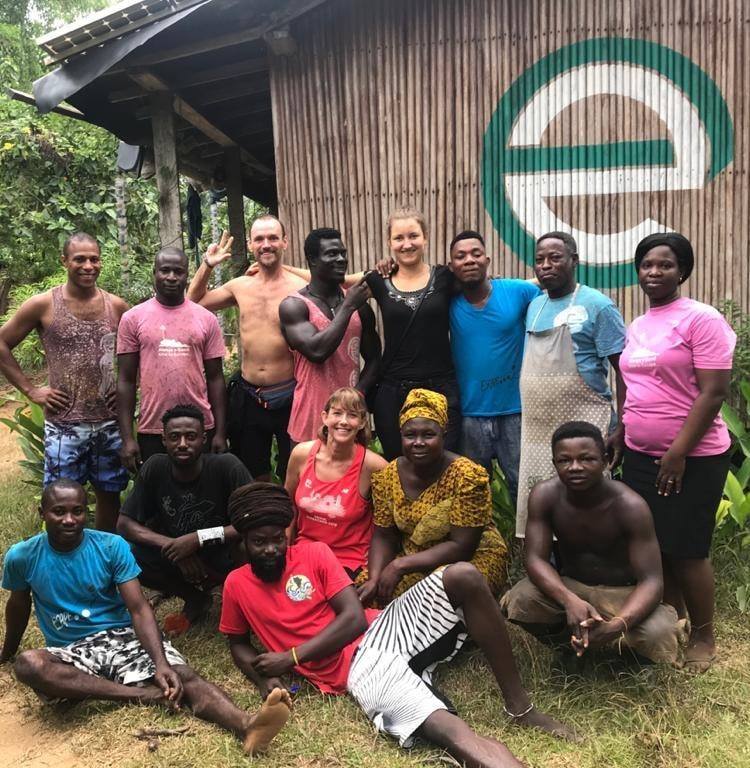
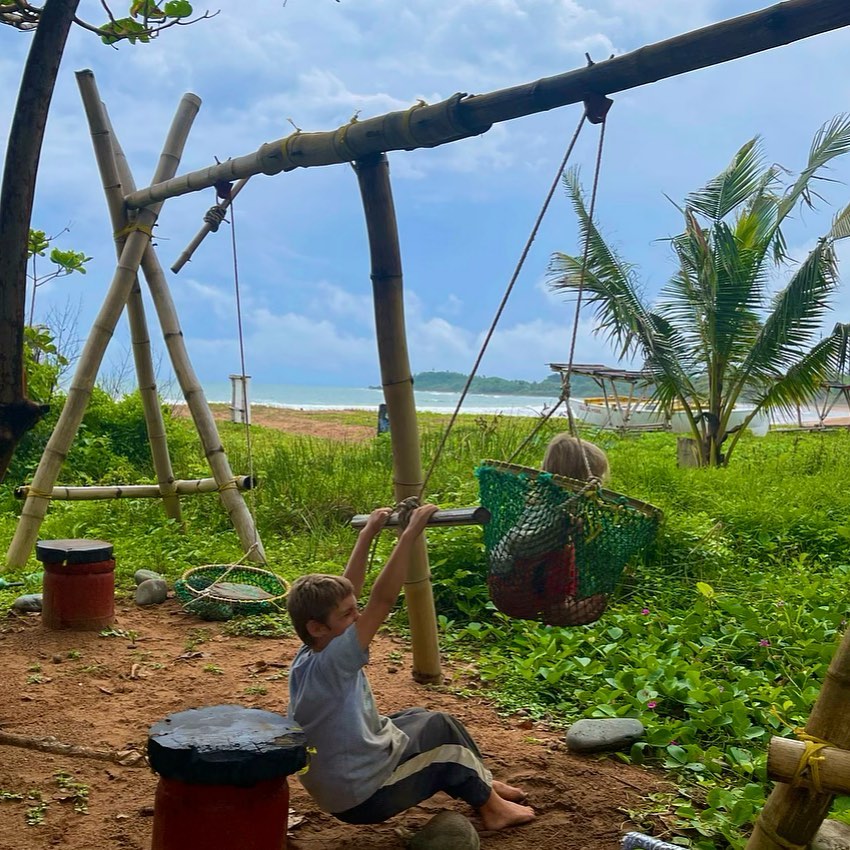
Akwasi McLaren is the owner and designer of Escape 3 Points, an eco-lodge located just outside the village of Cape 3 Points in Southwestern Ghana. Drawn by the region’s stunning natural scenery, Akwasi felt a deep longing to create an ‘escape’ from the outside world, and in 2008, he began the Escape 3 Points project.

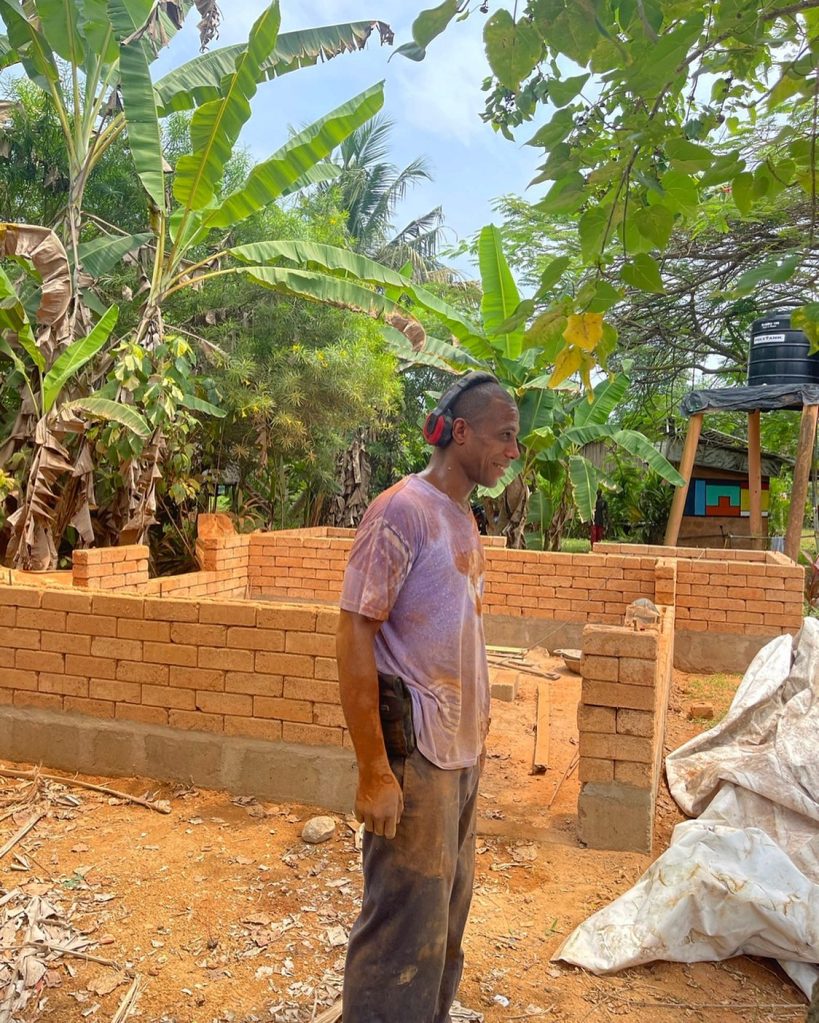
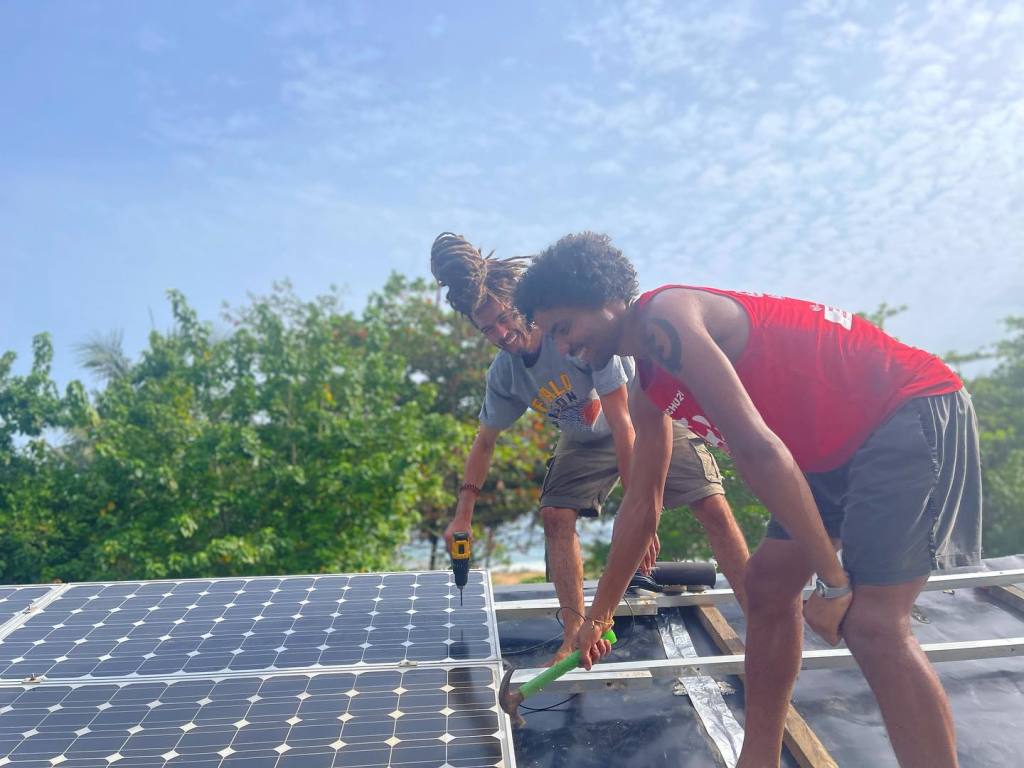
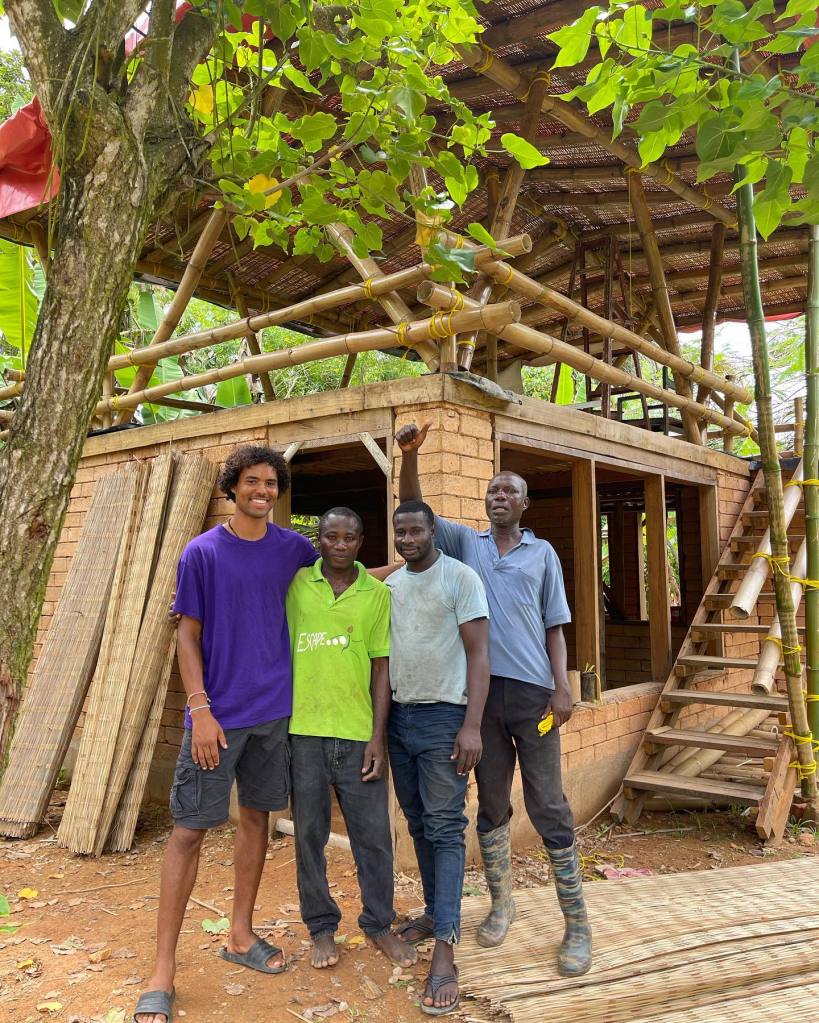
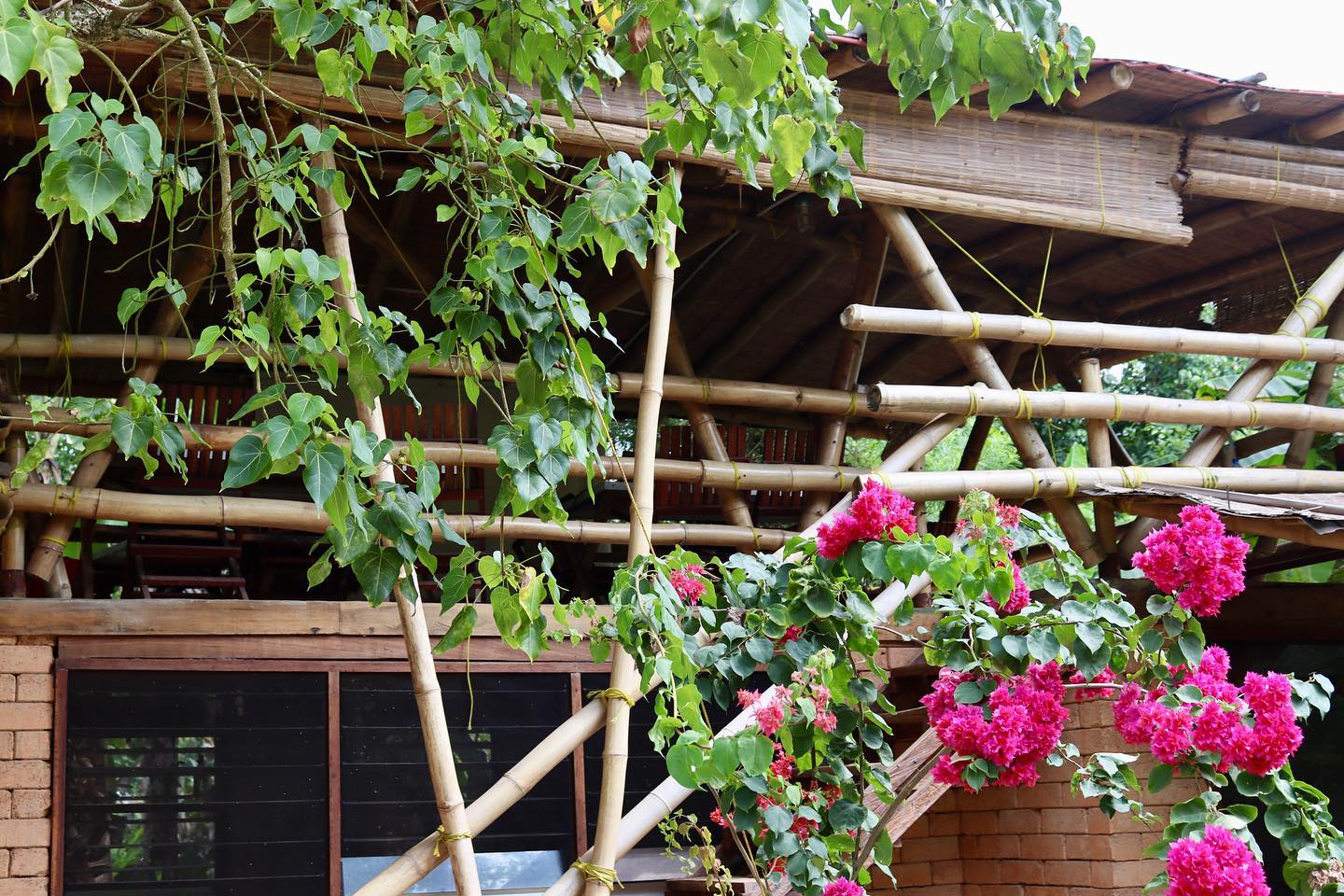
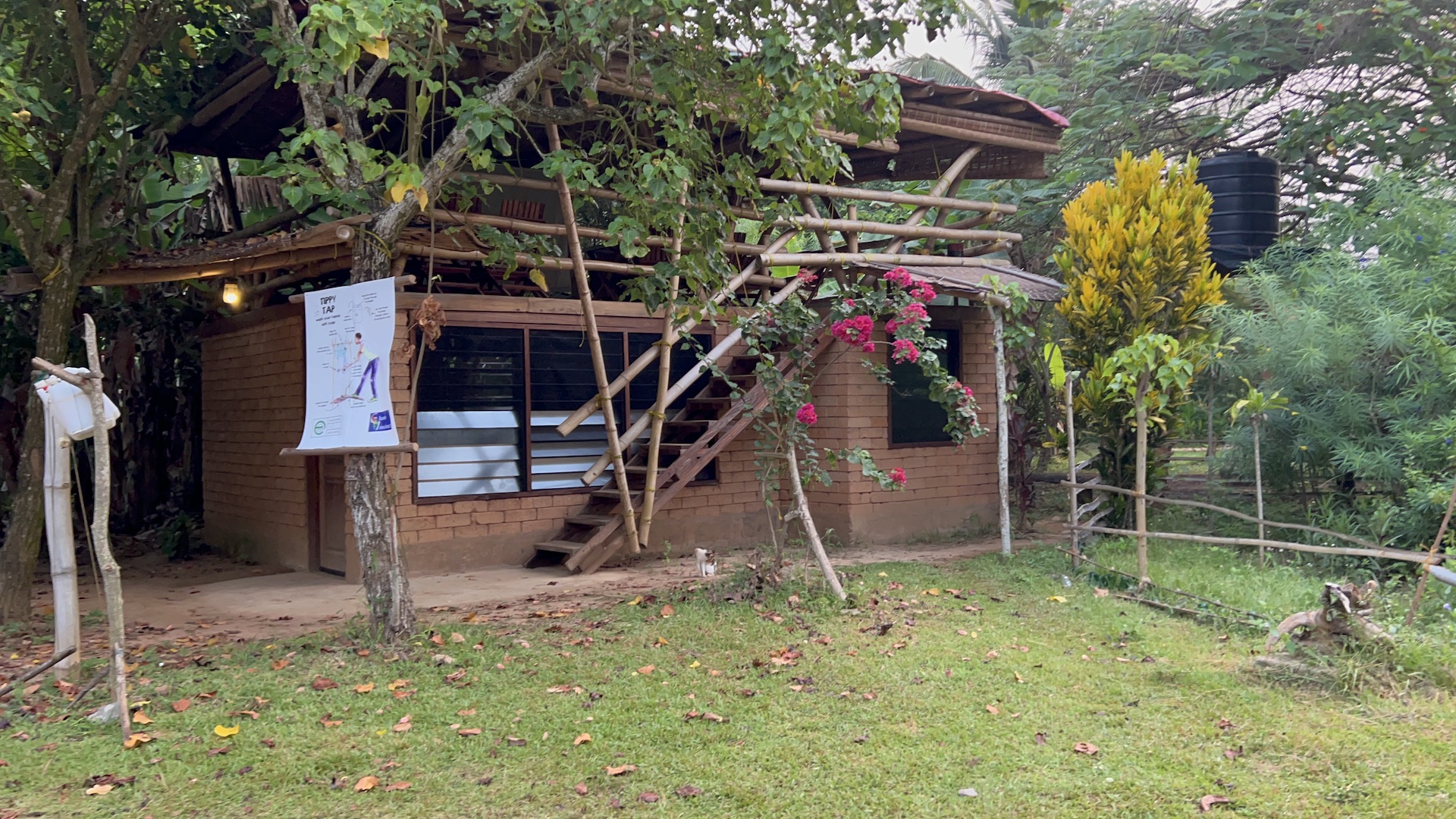
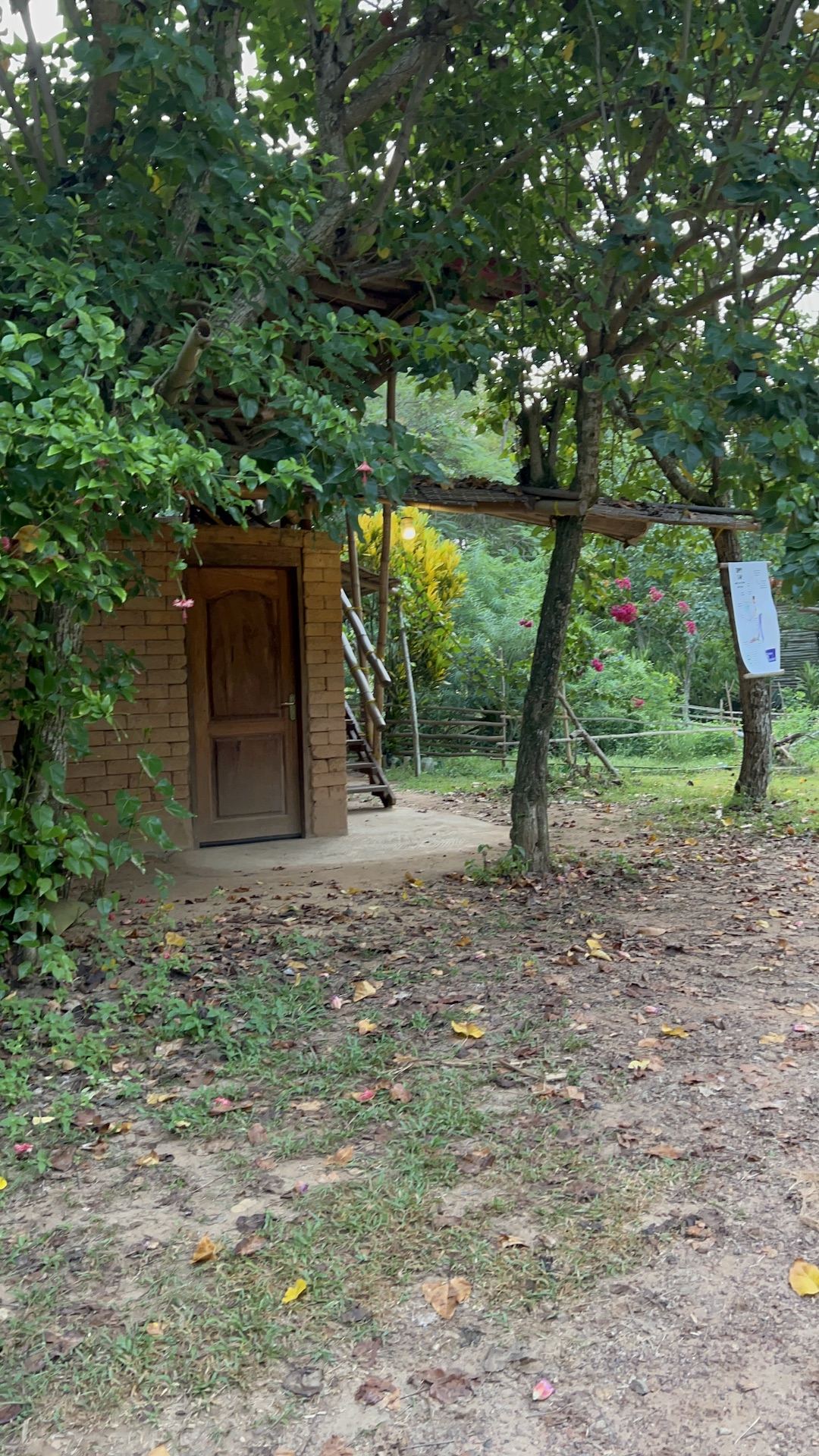
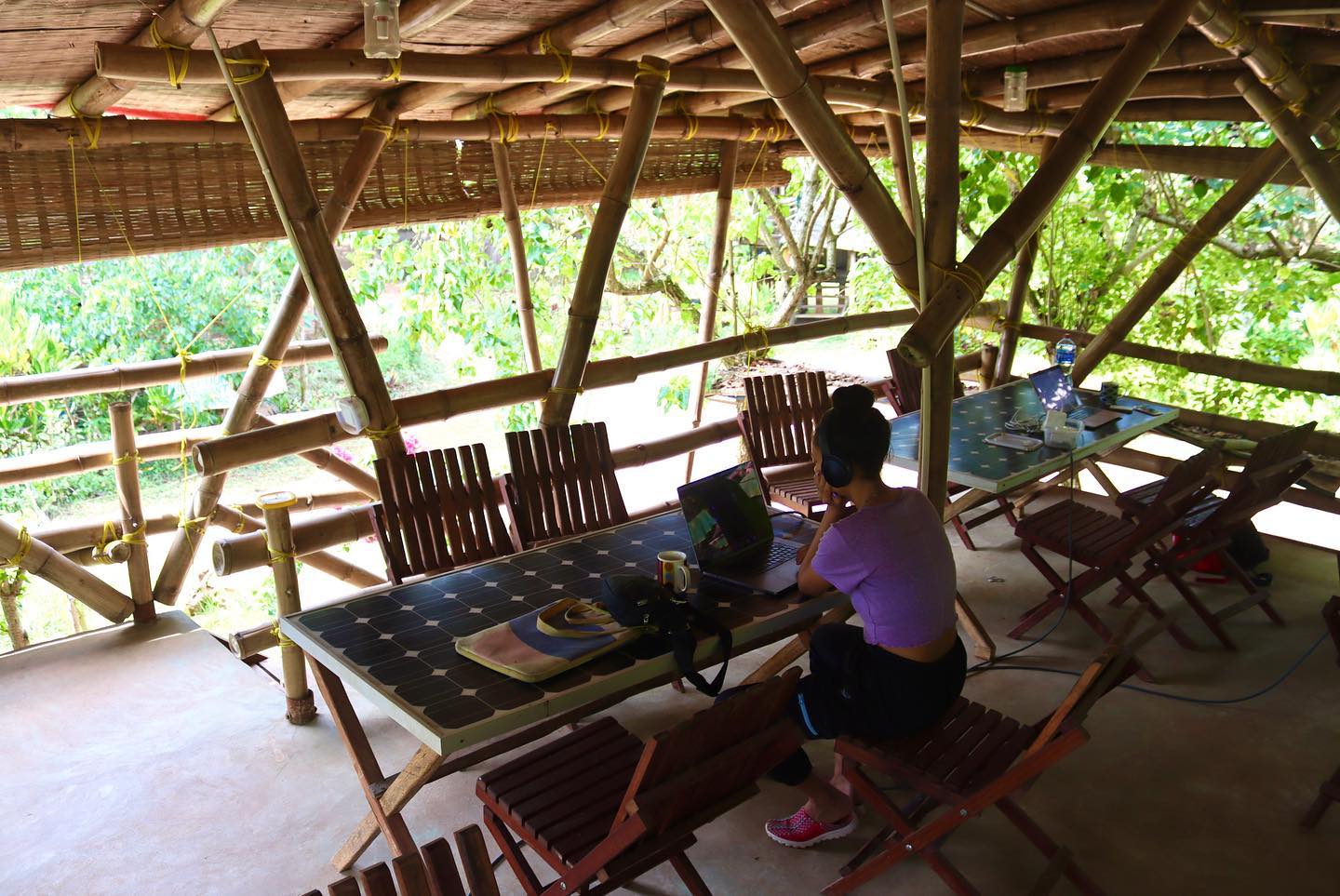
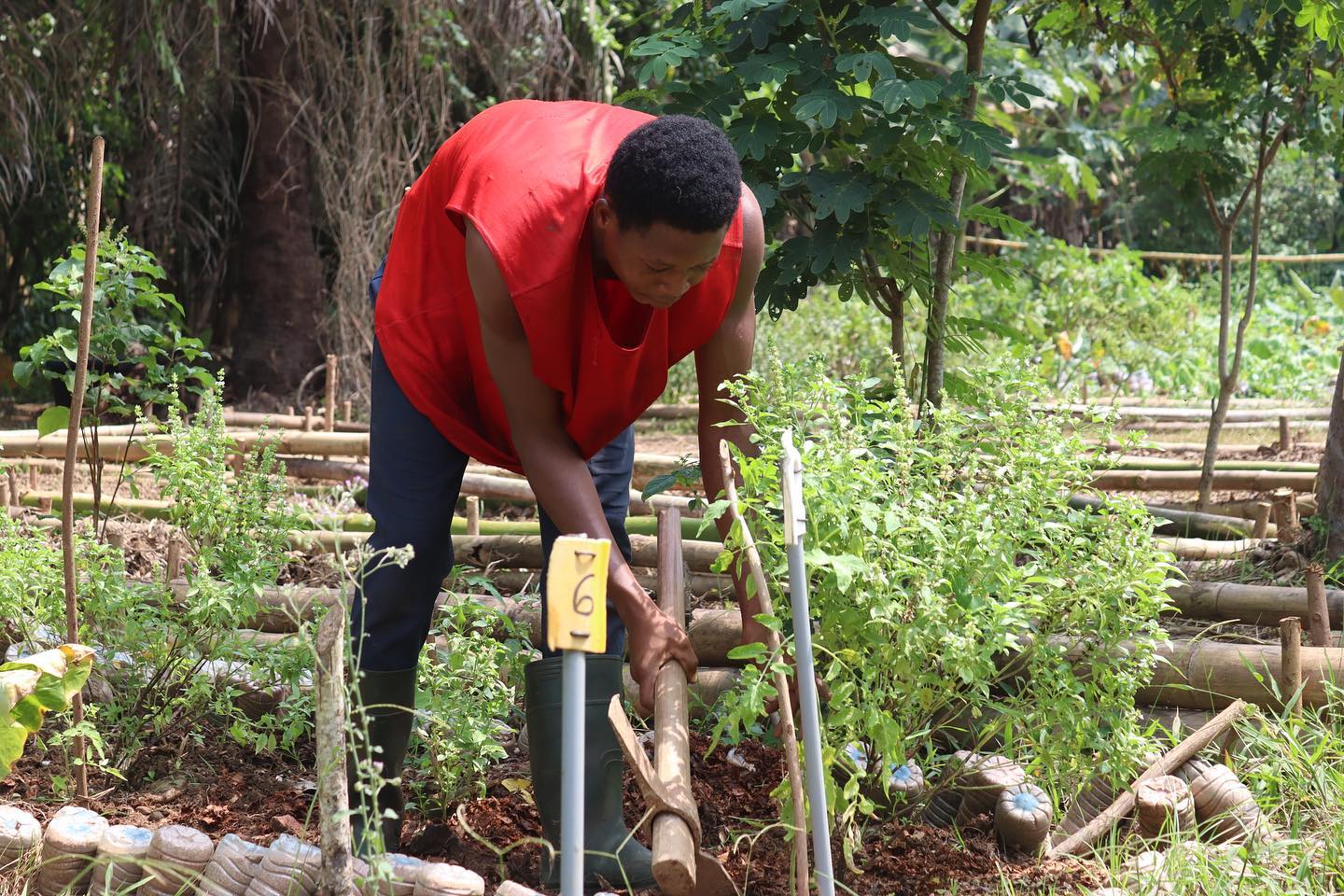
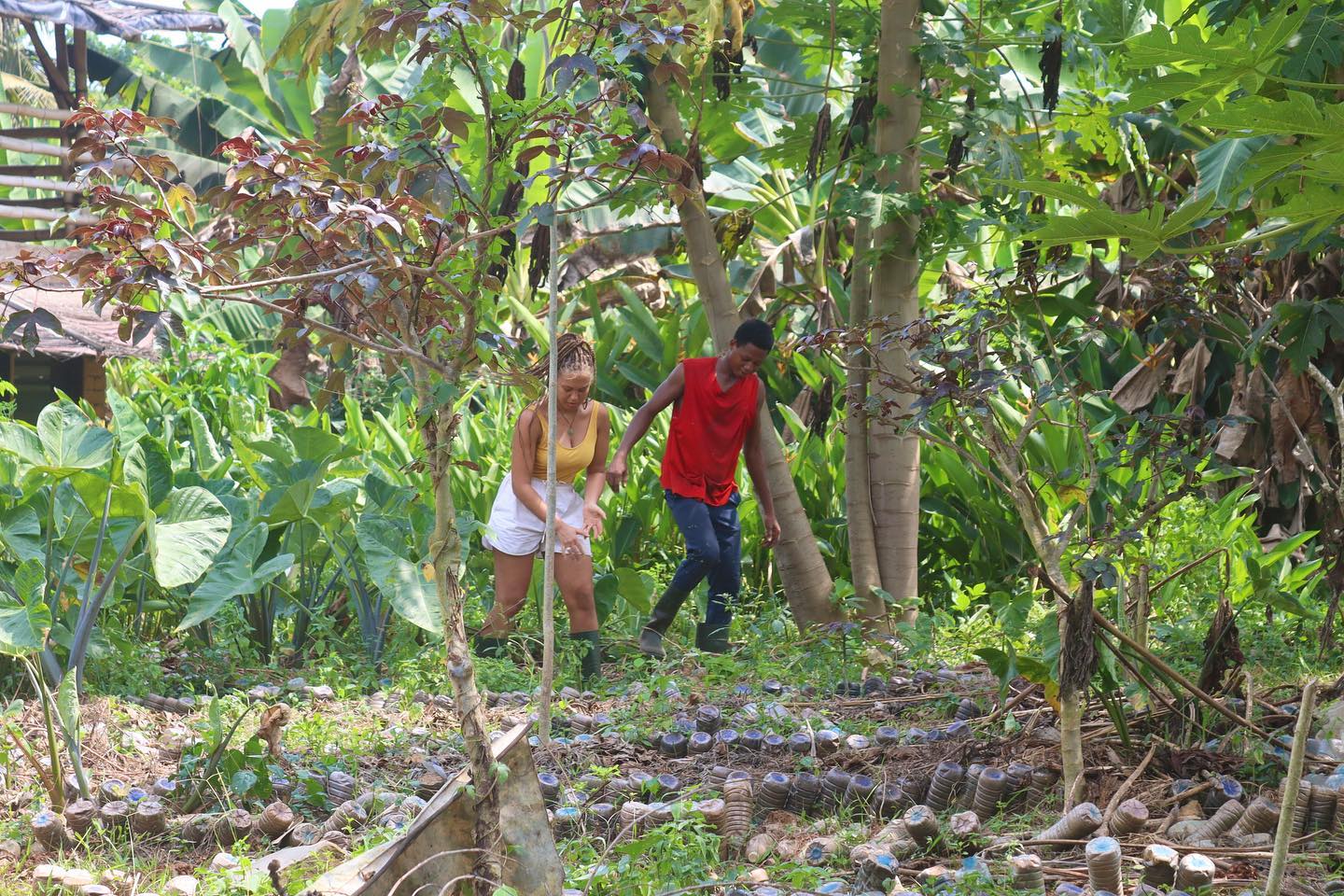
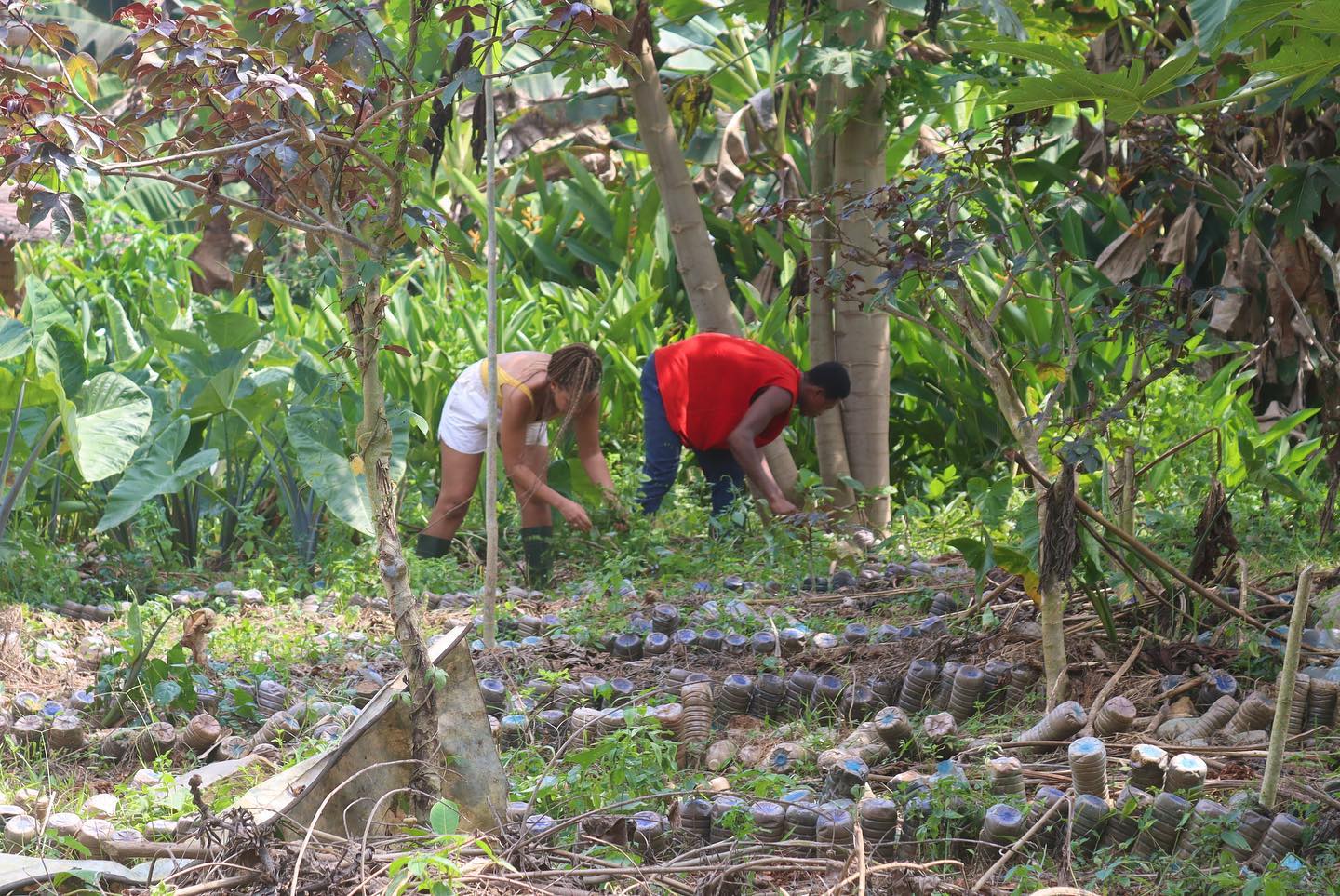
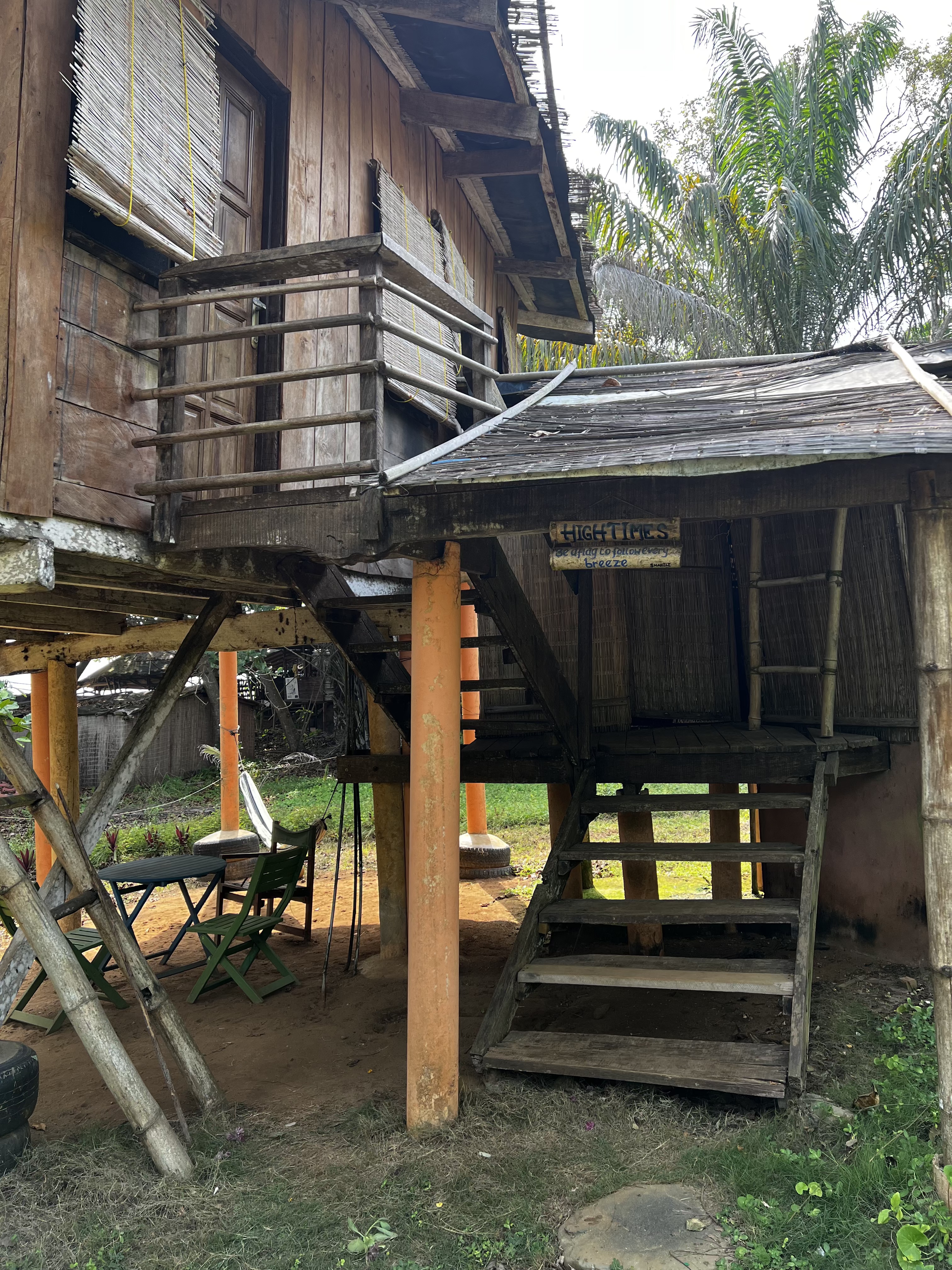
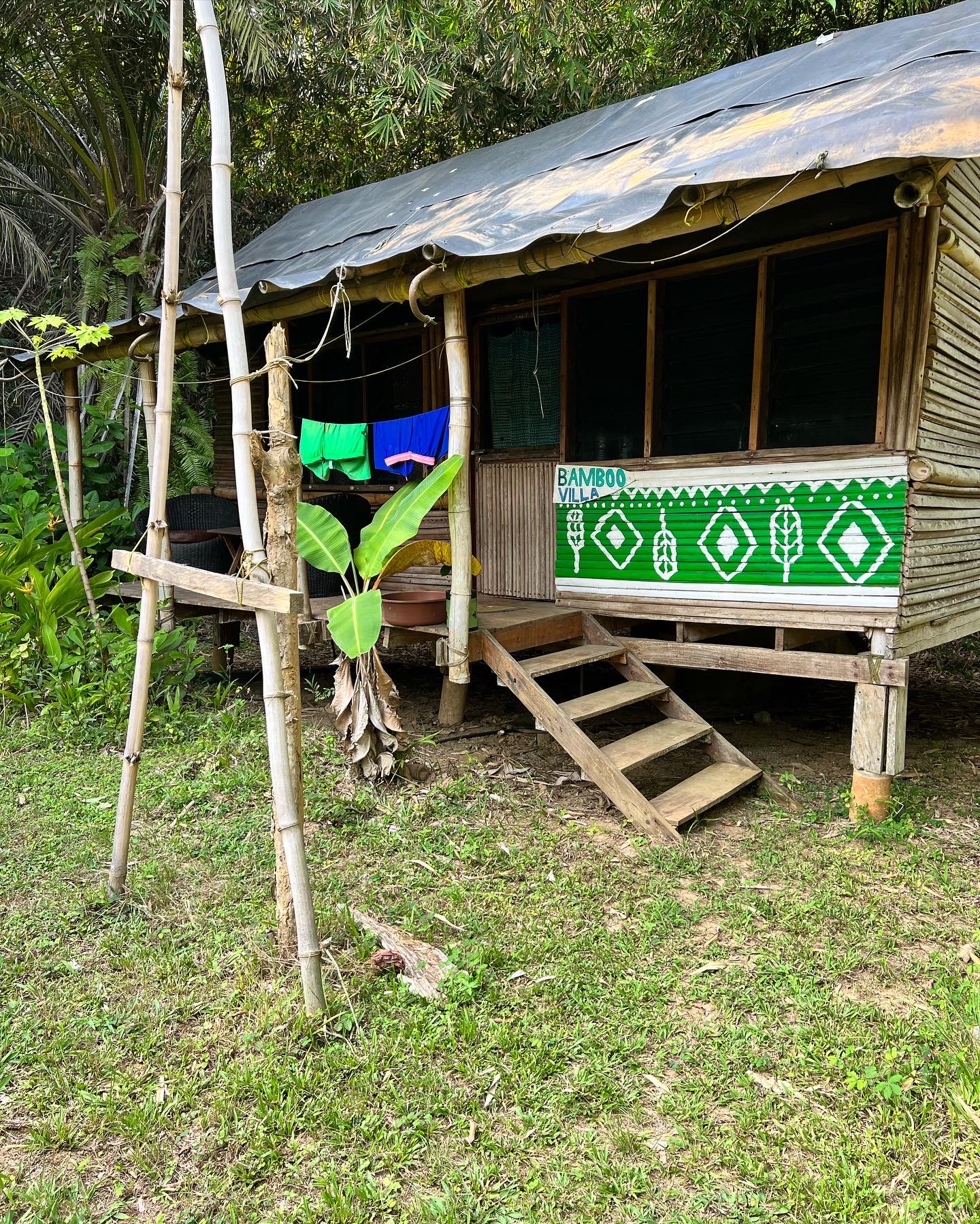
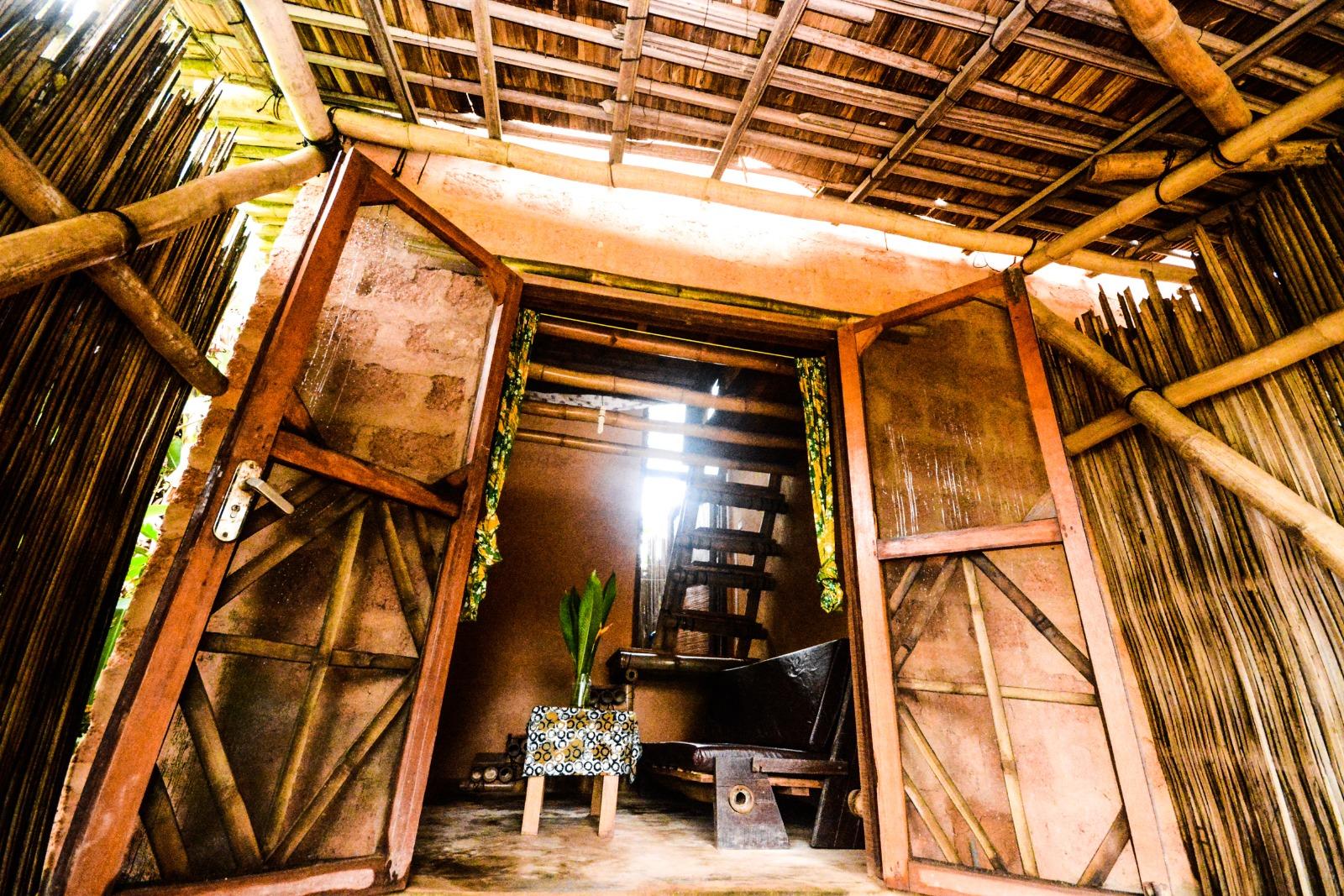
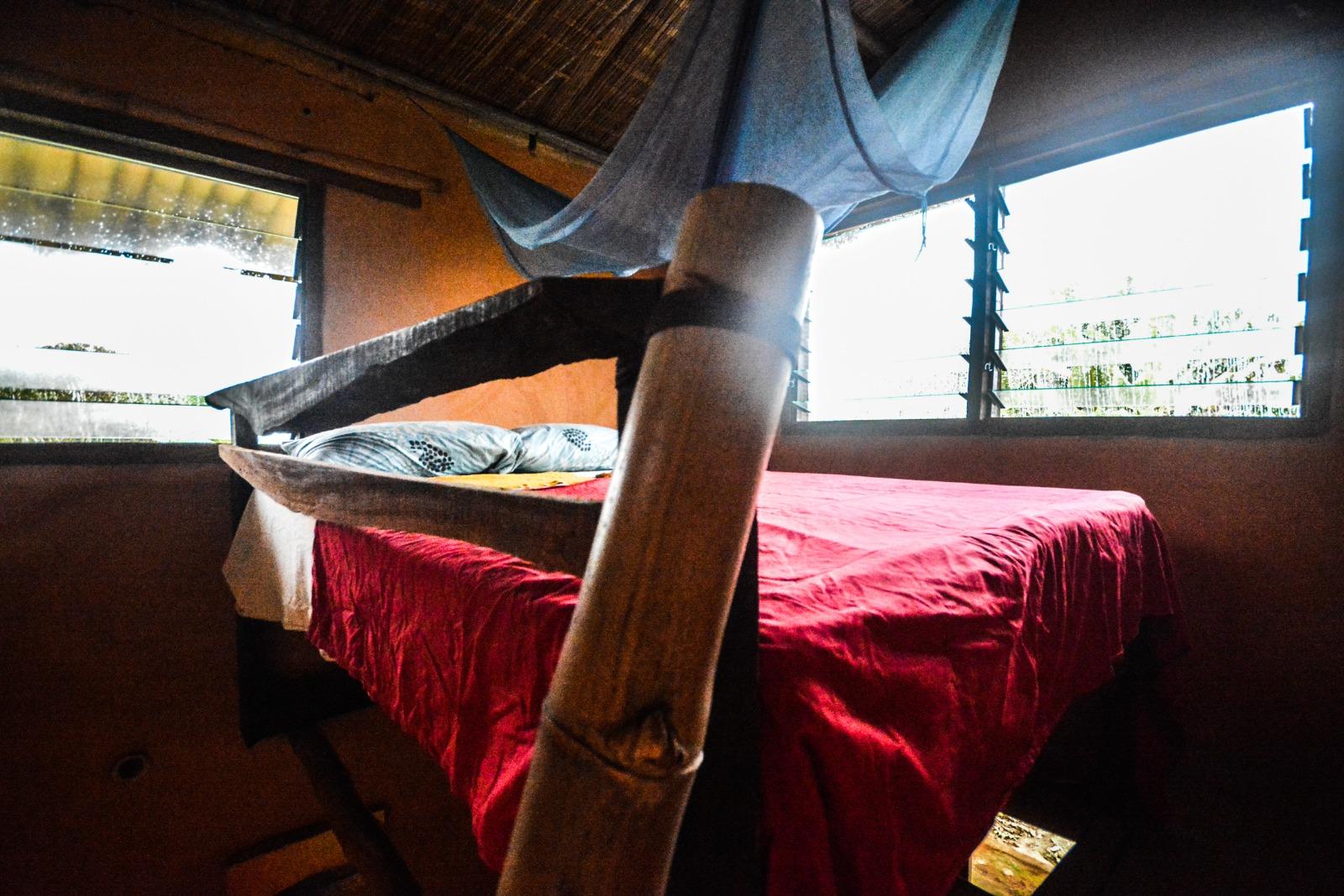
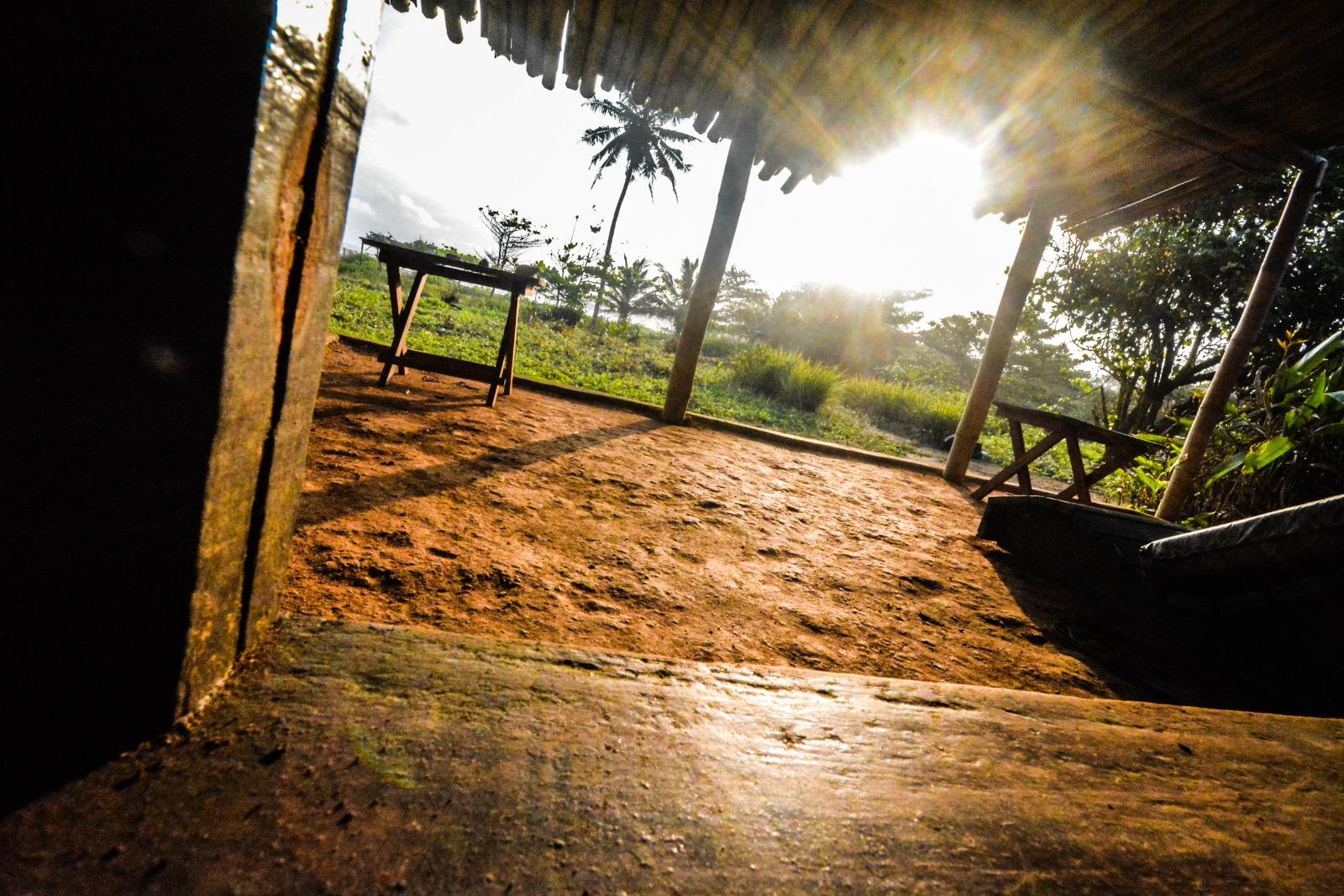
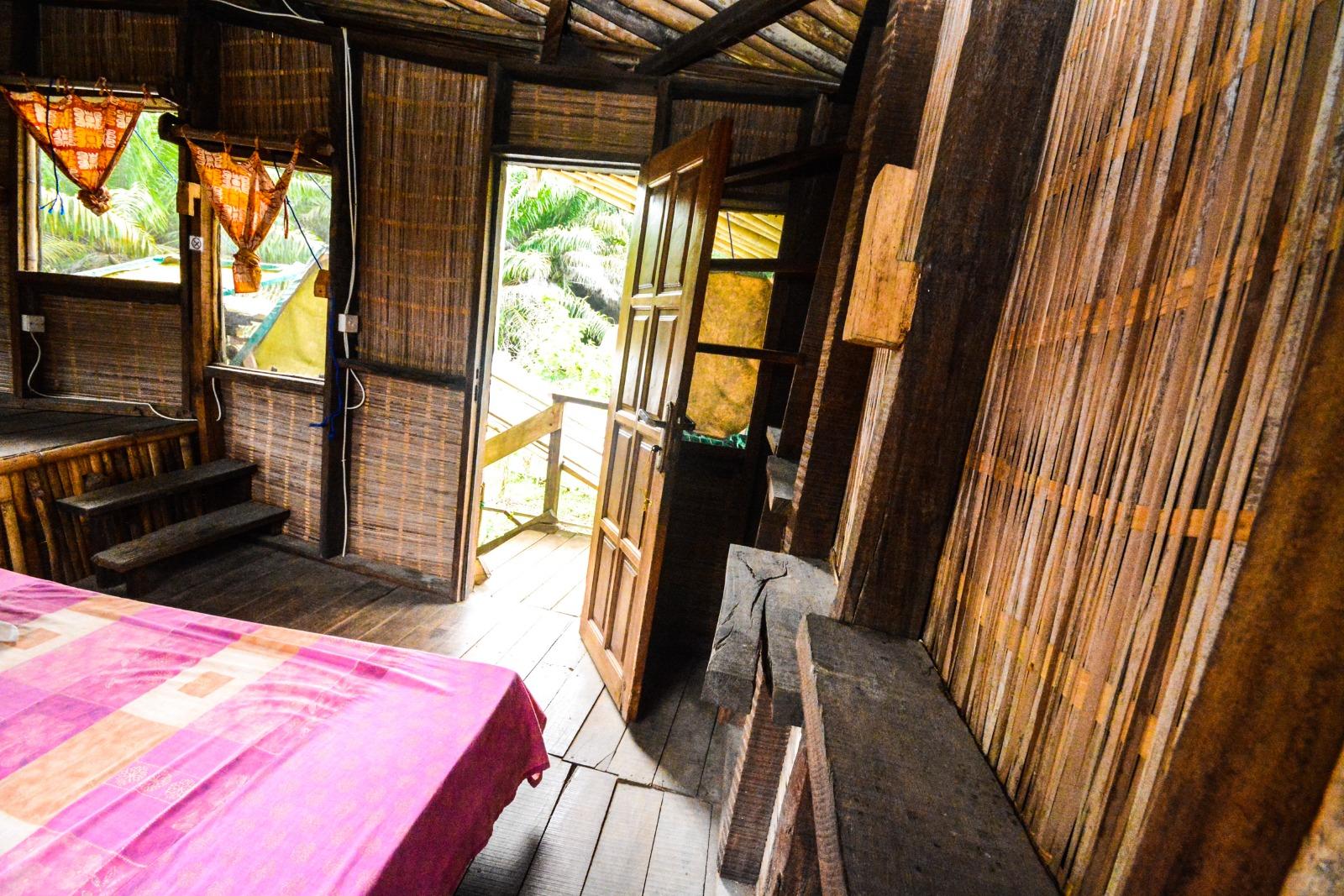
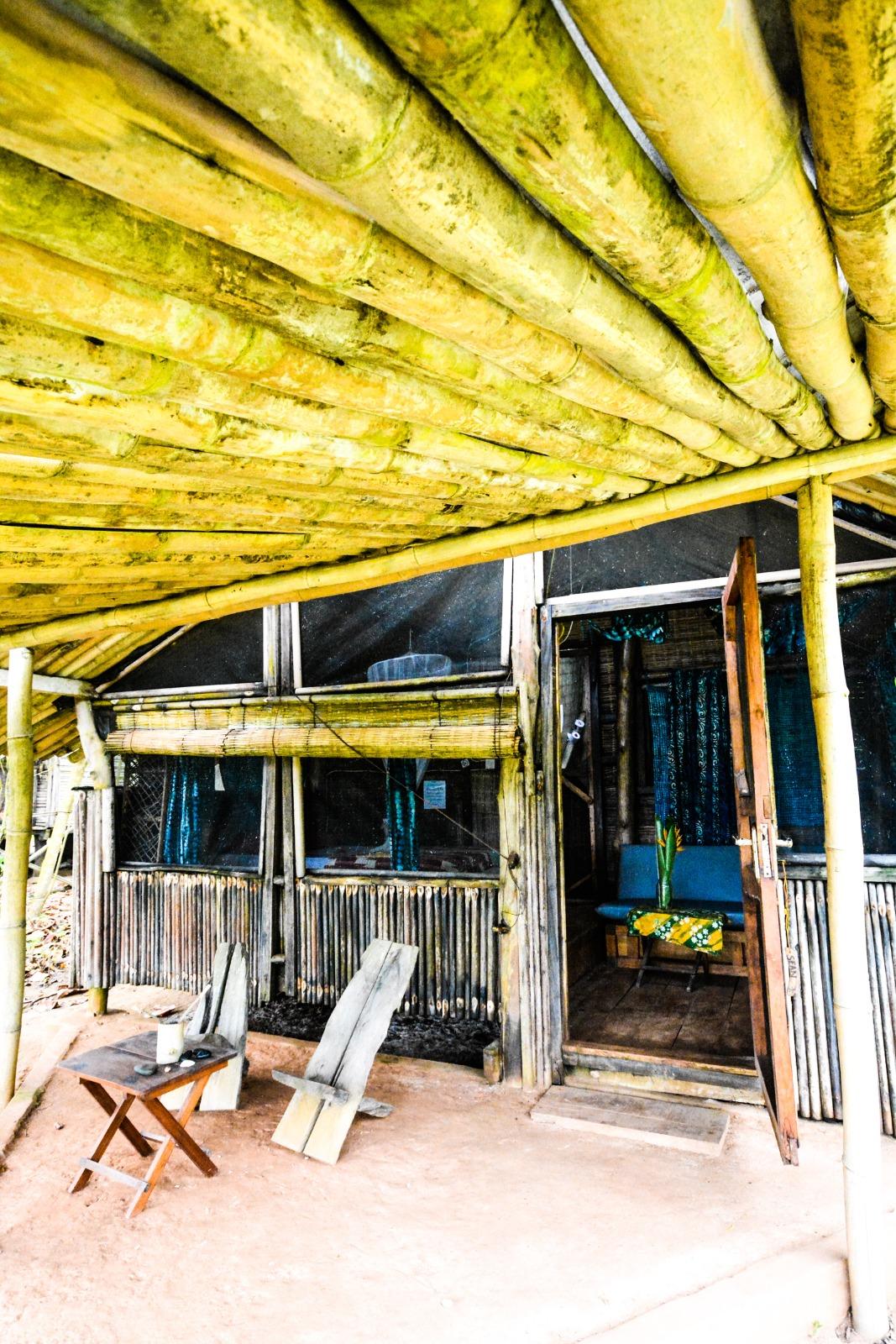
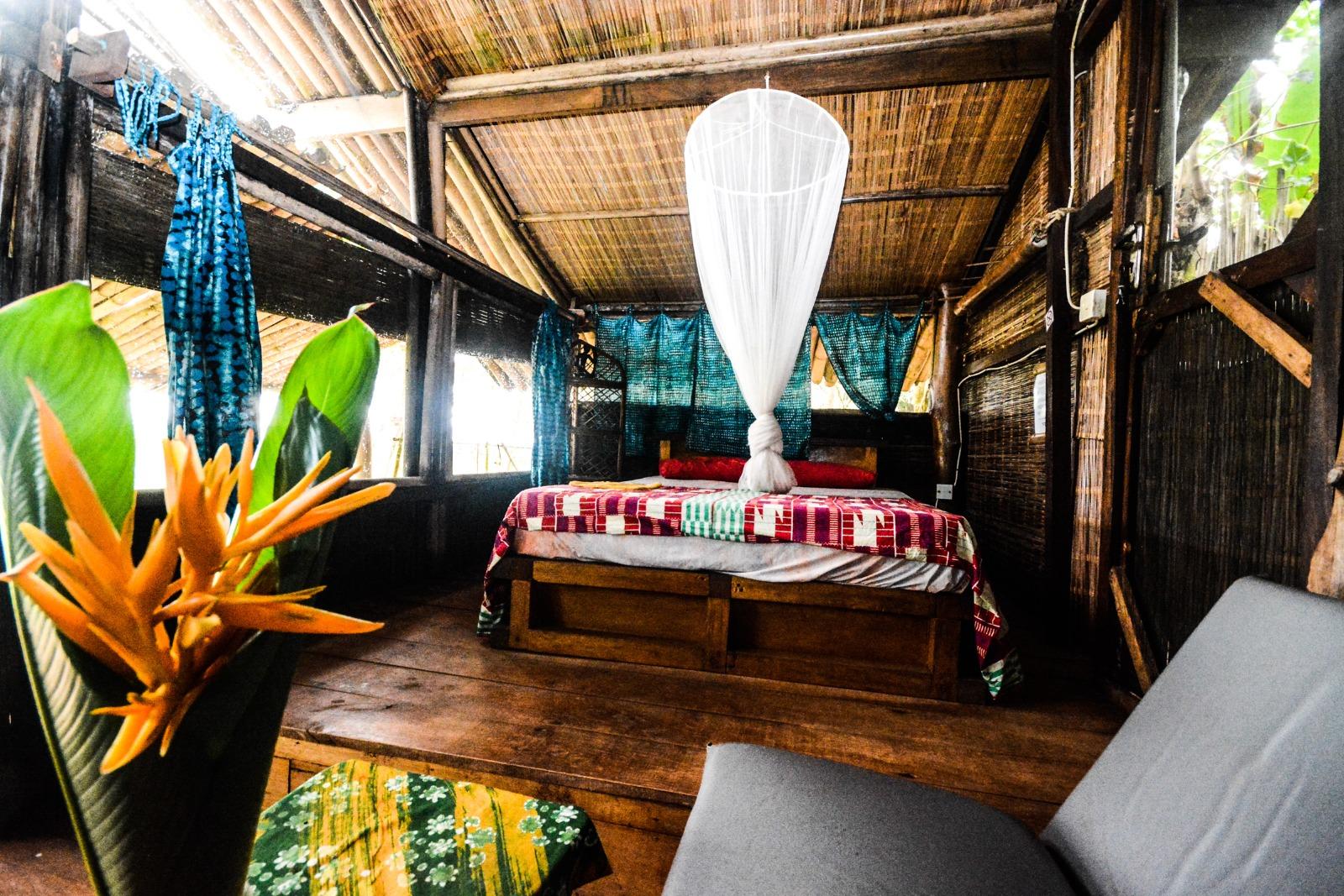
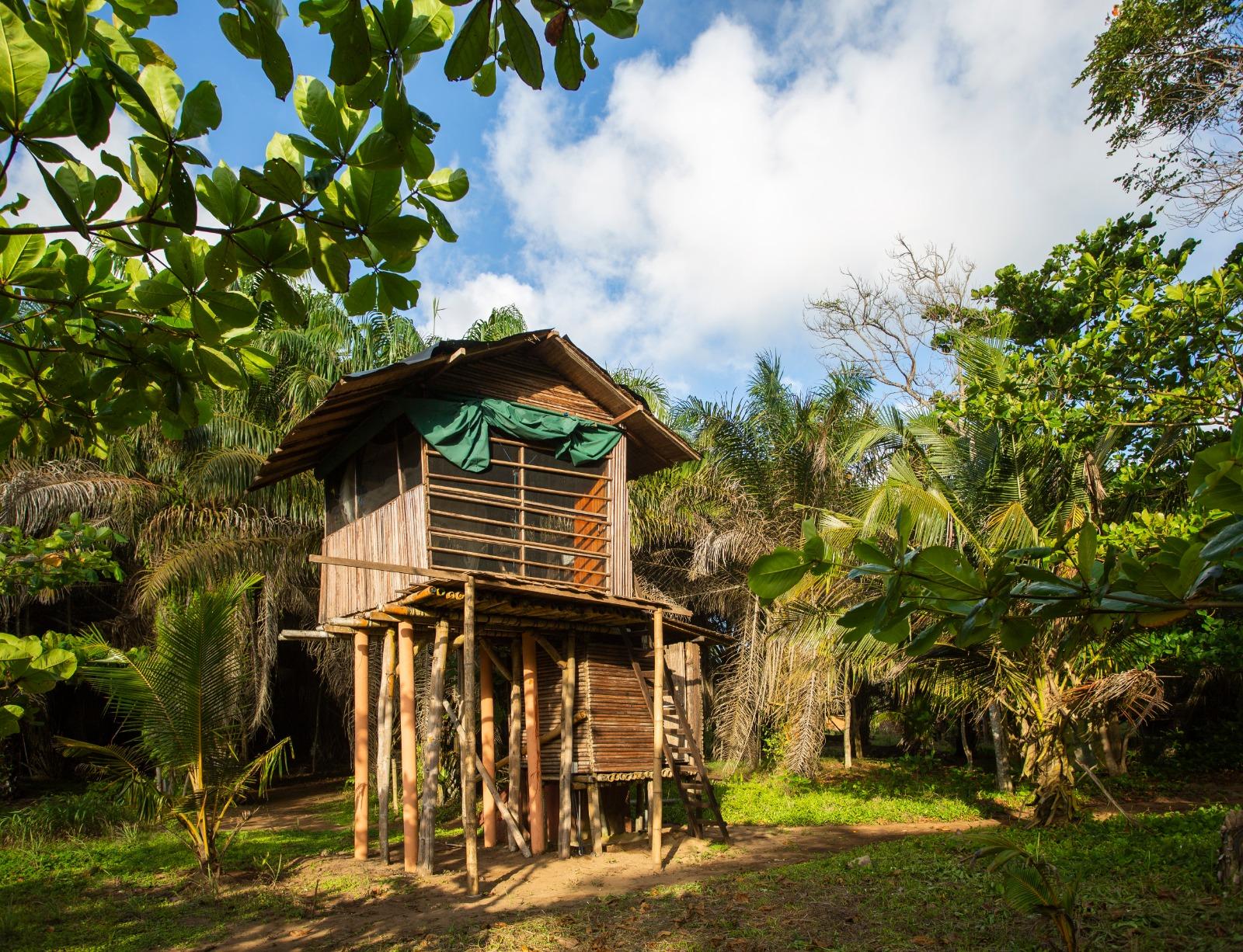
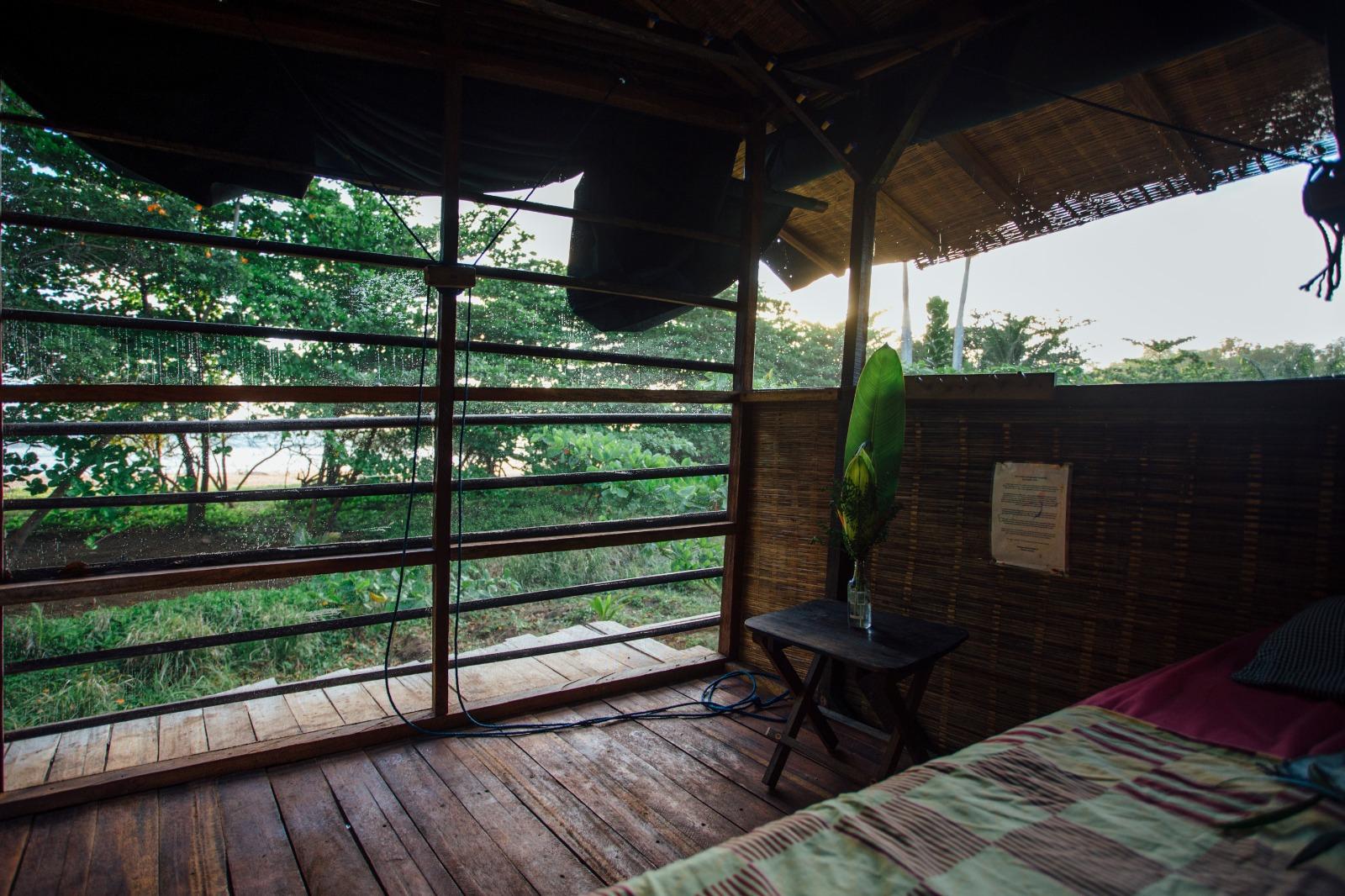
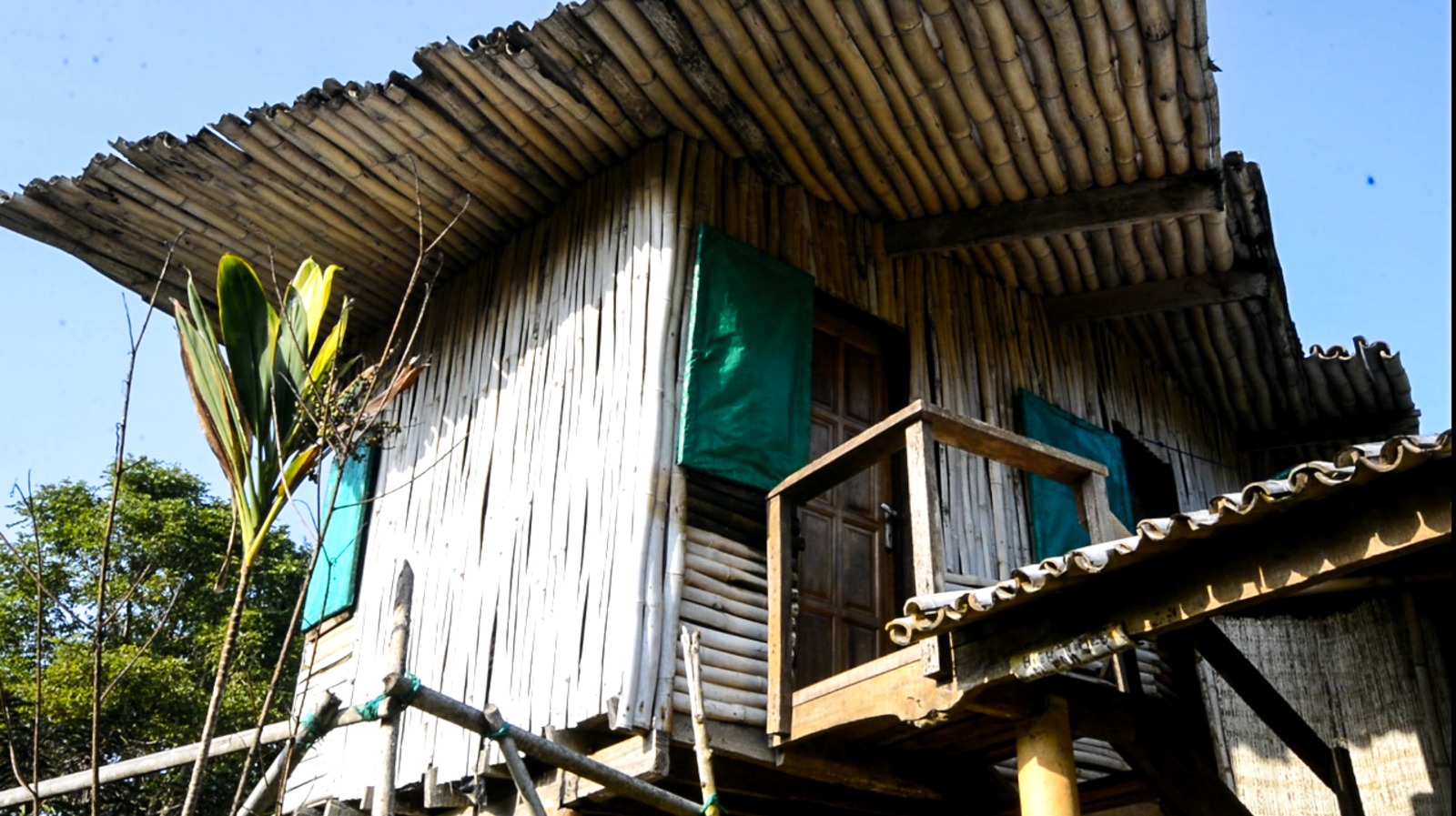
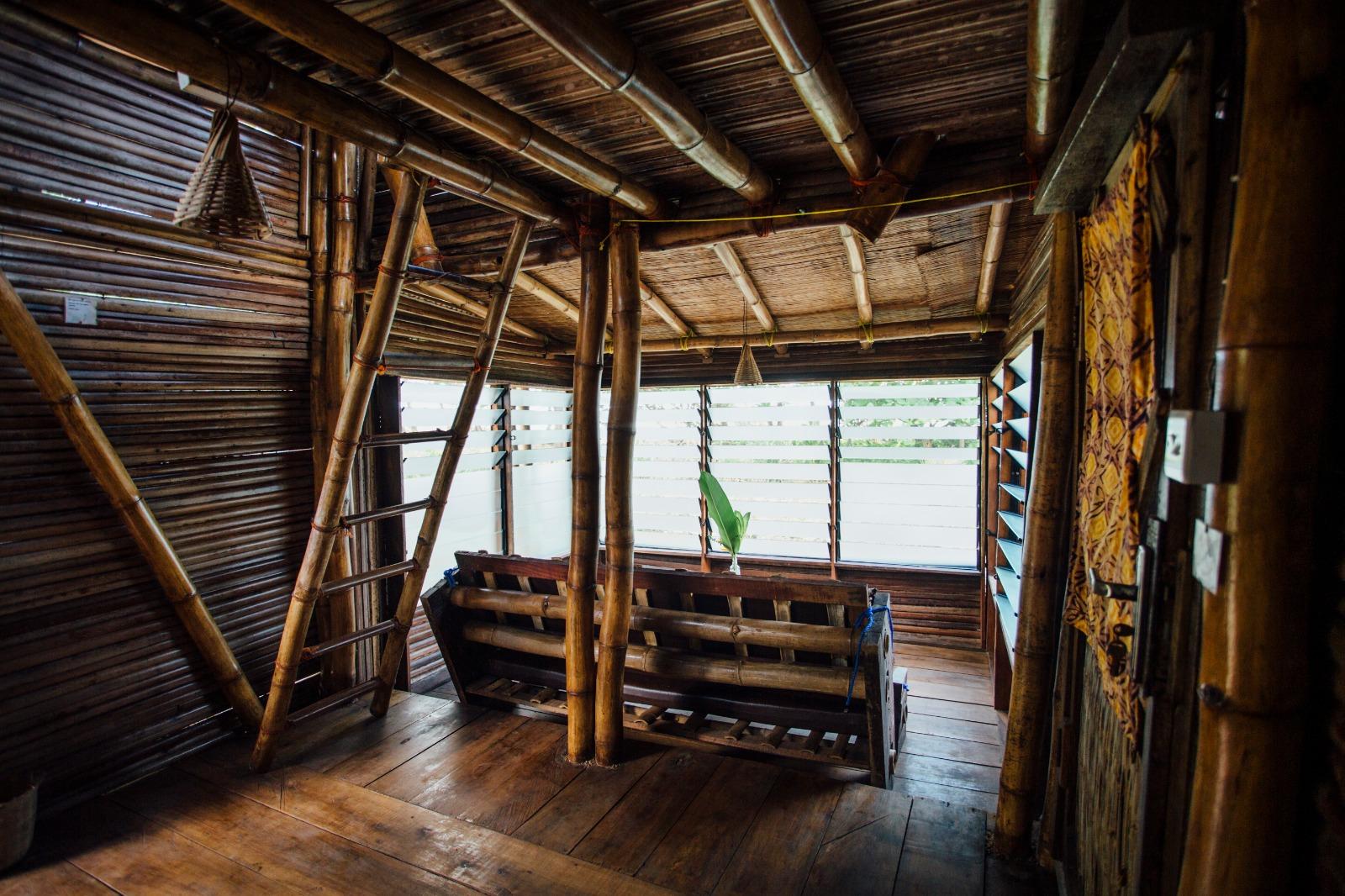
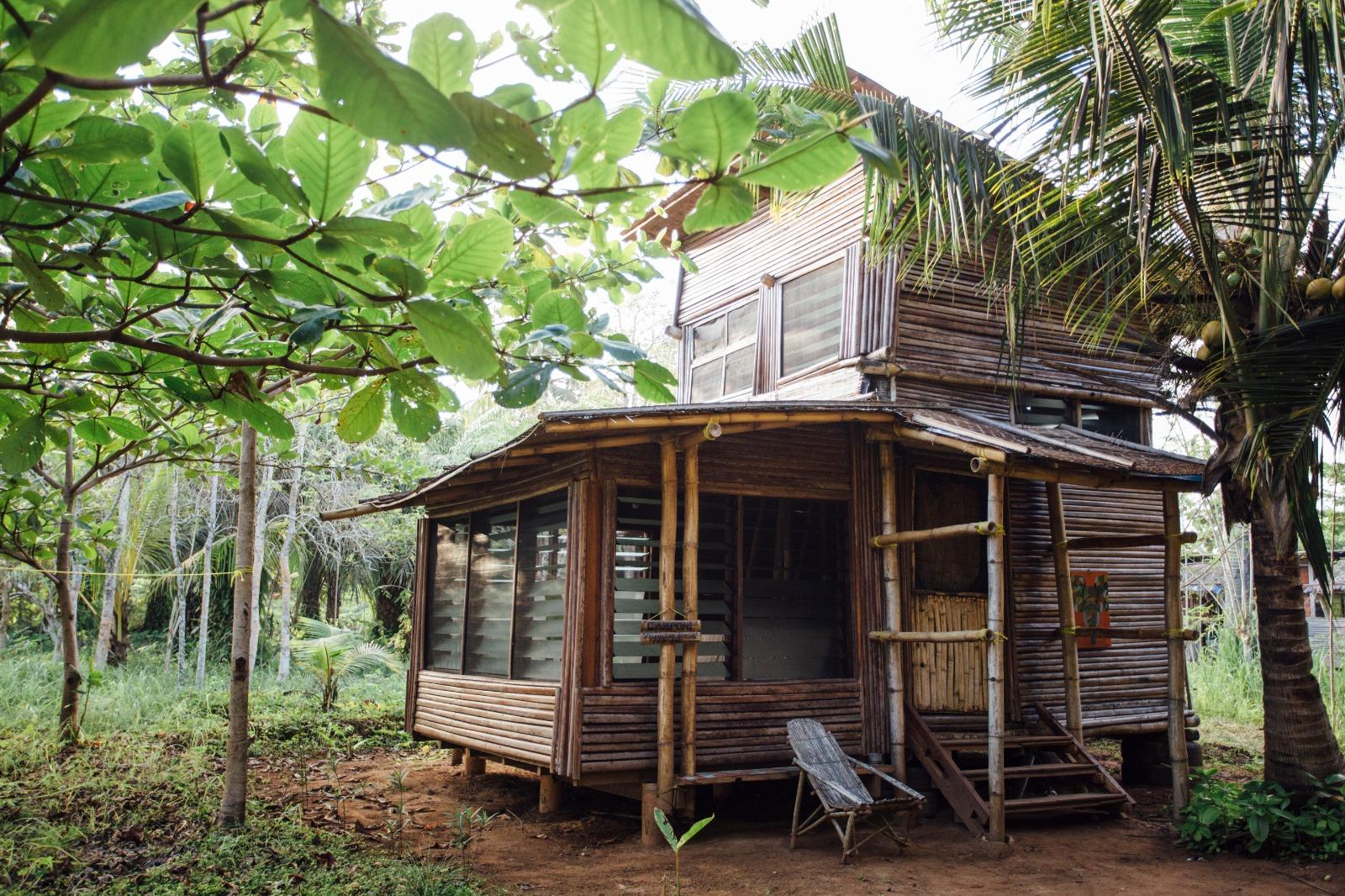
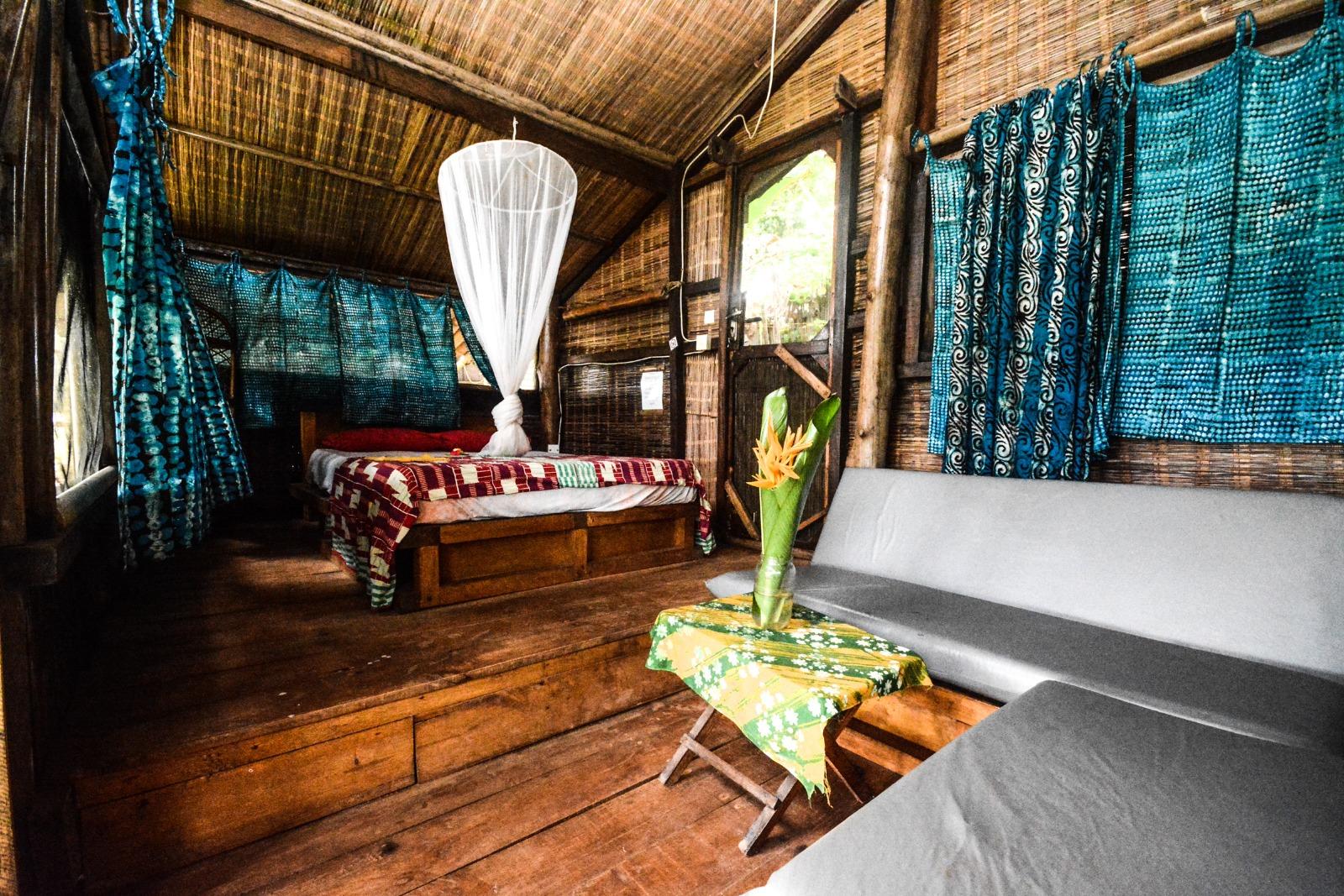
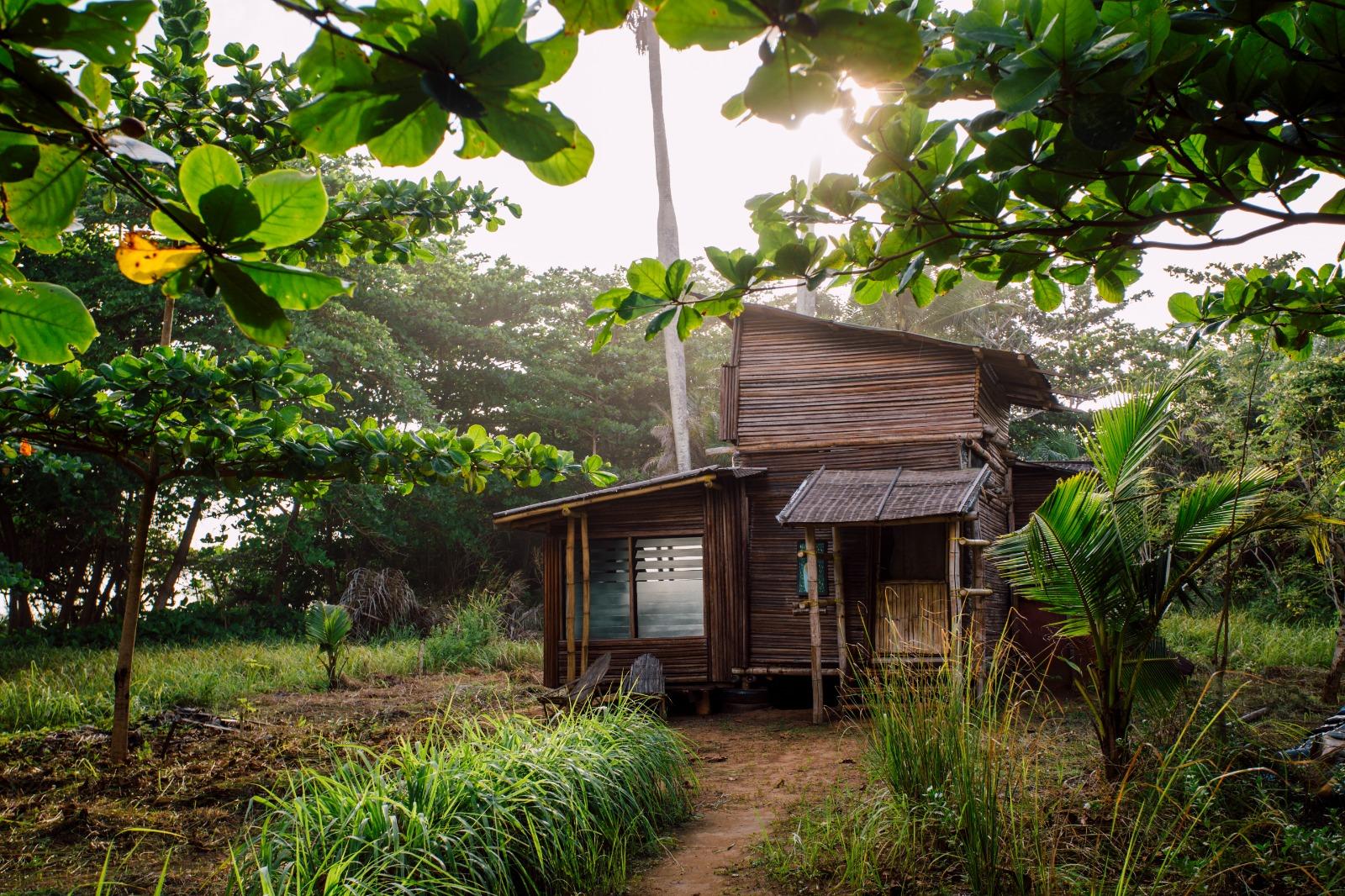
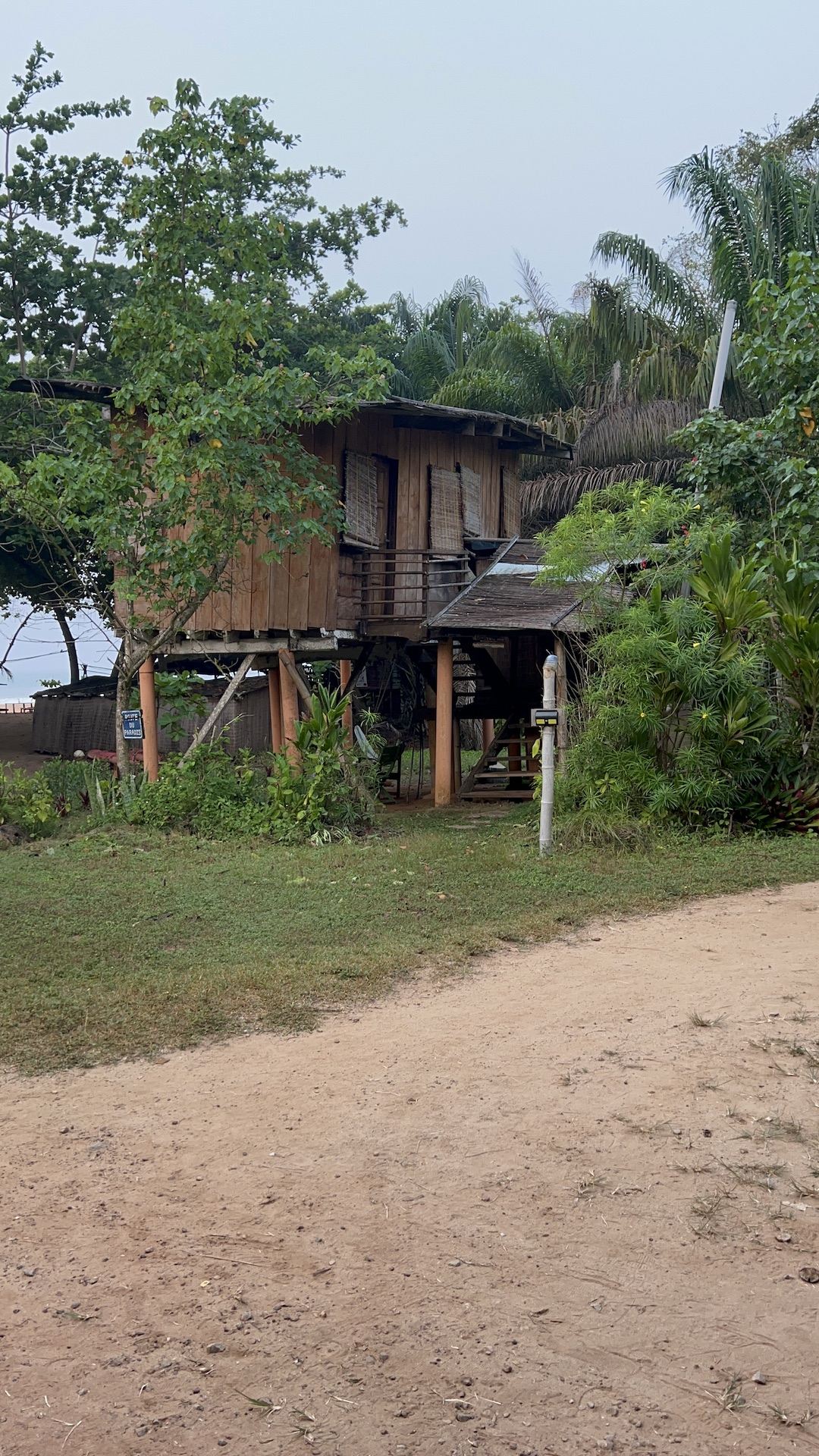
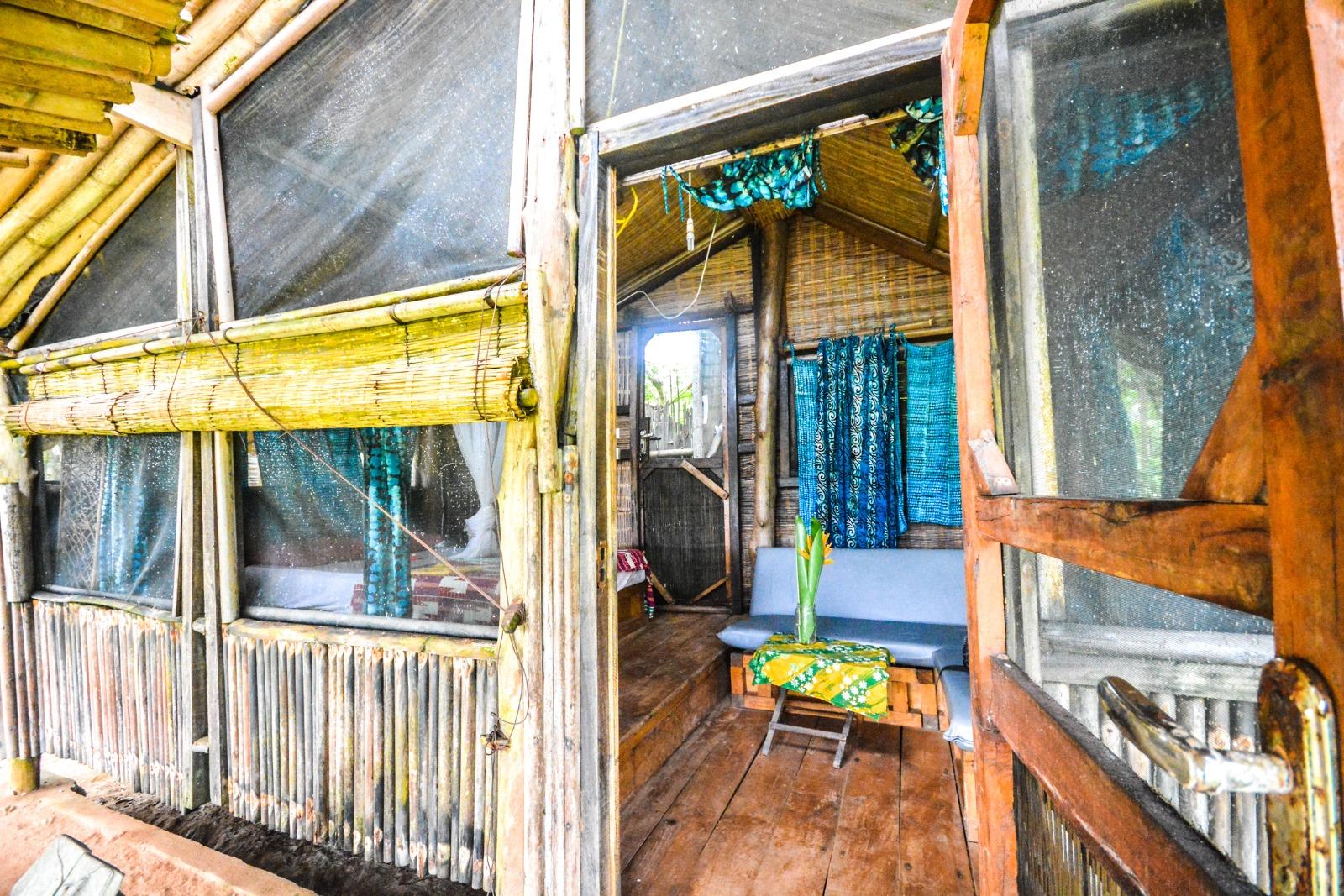
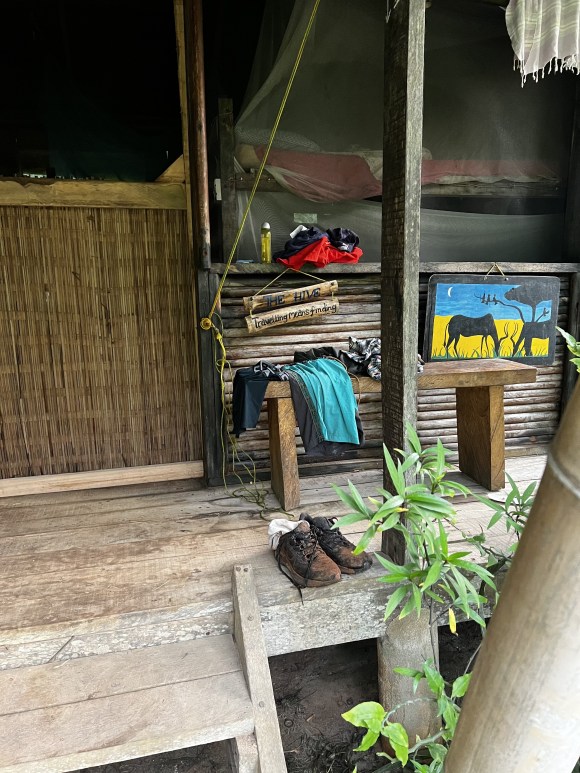
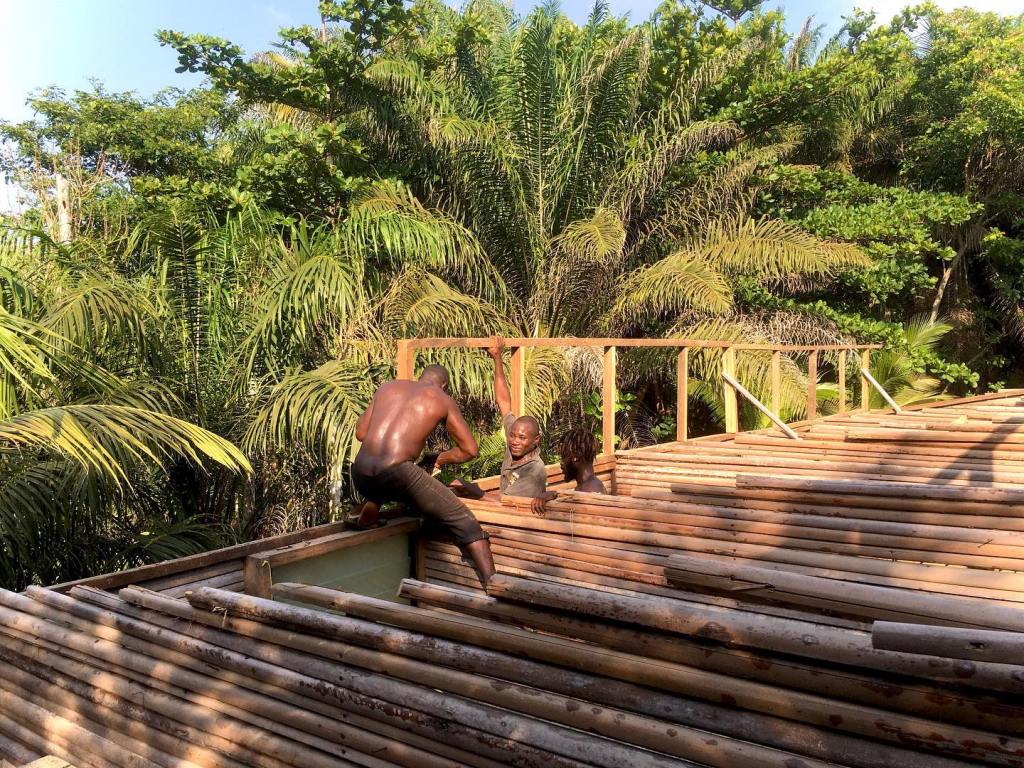
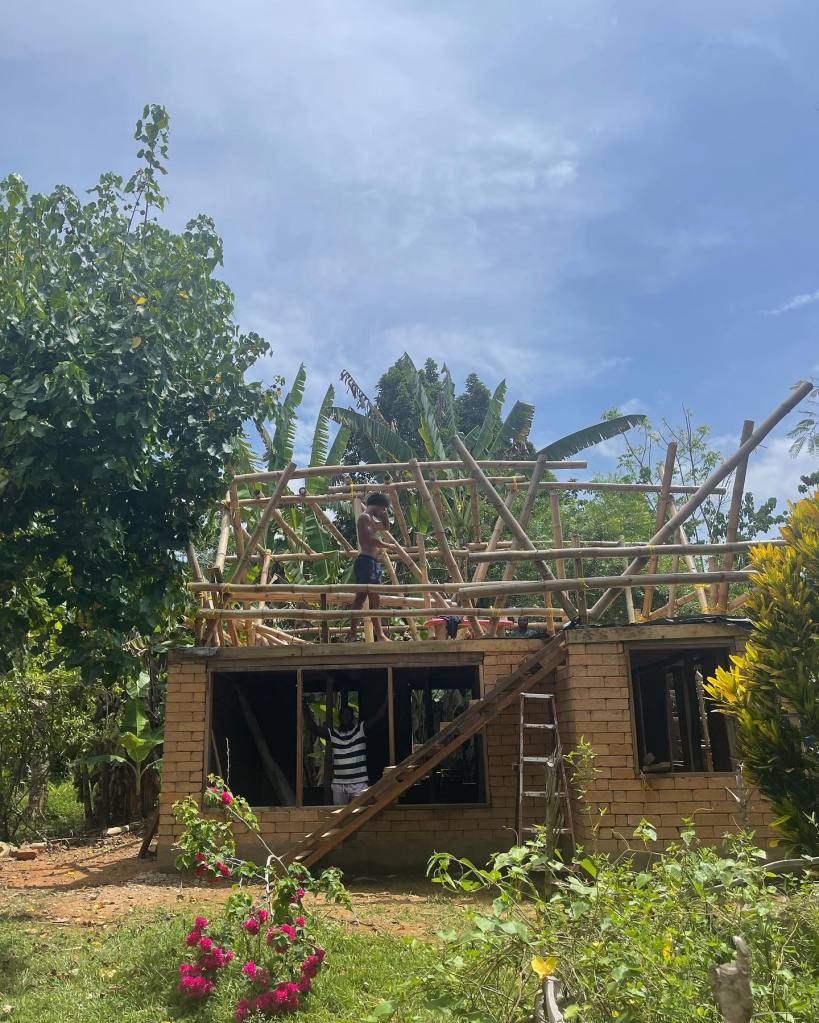
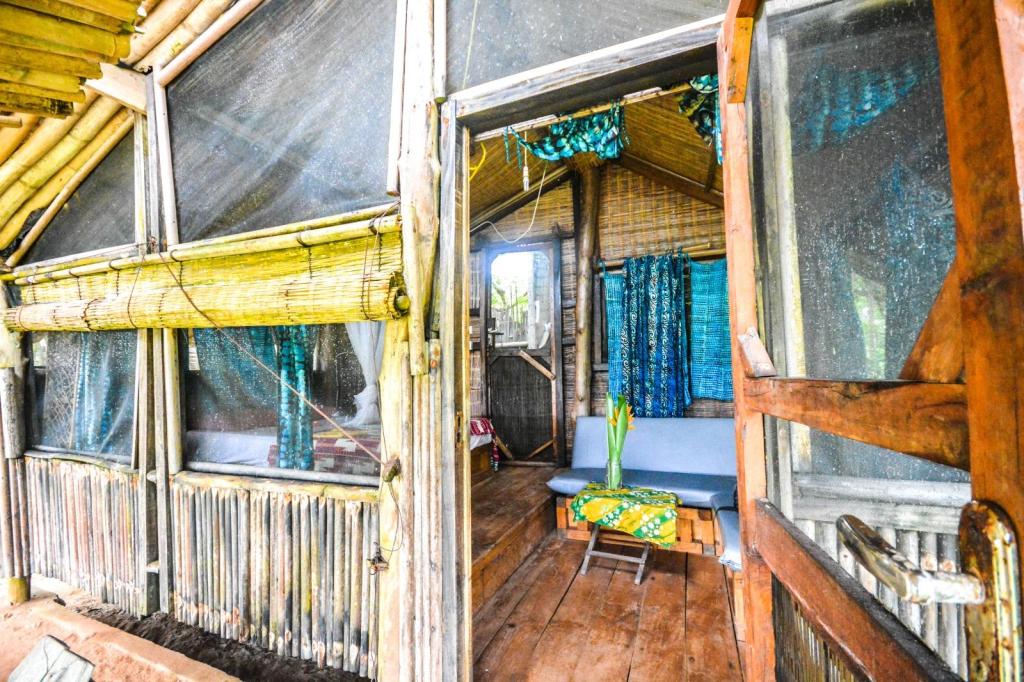
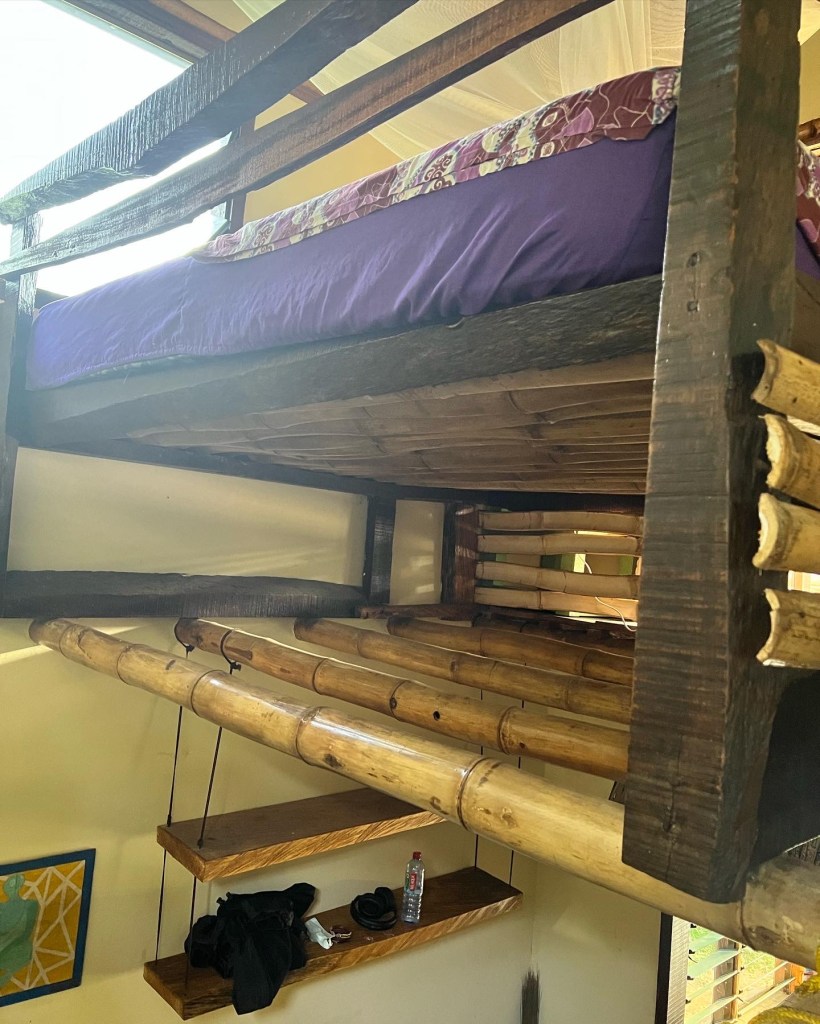
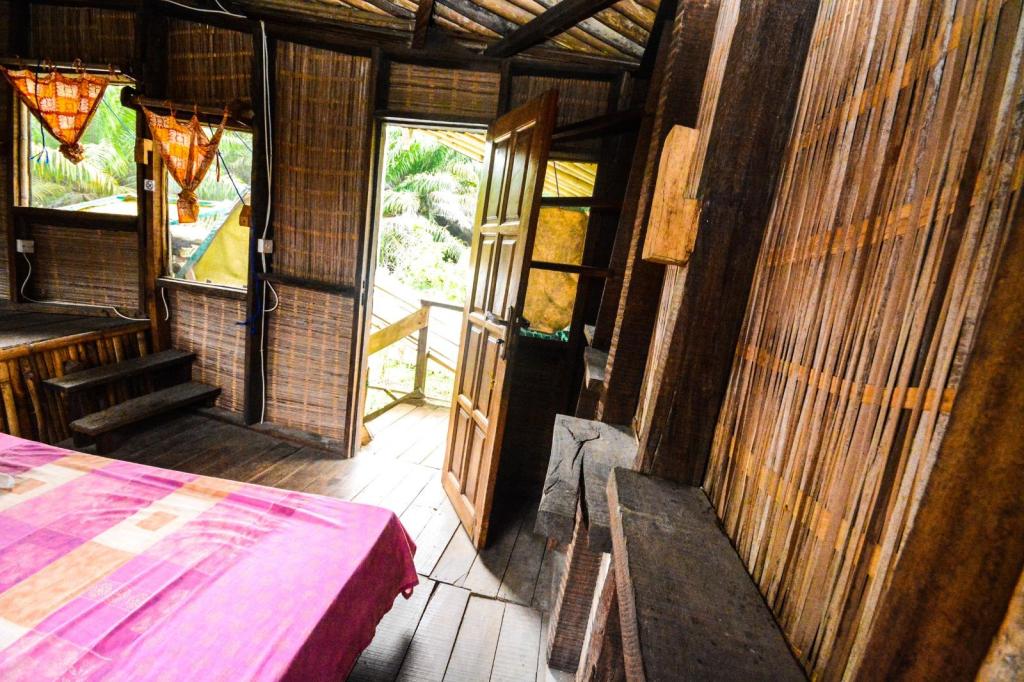
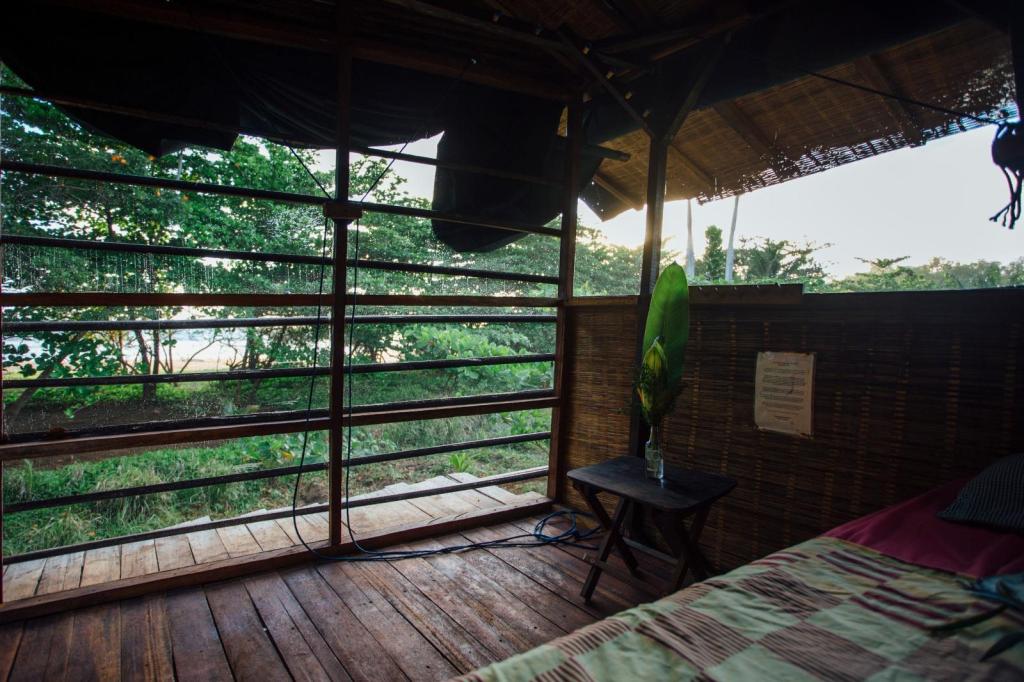
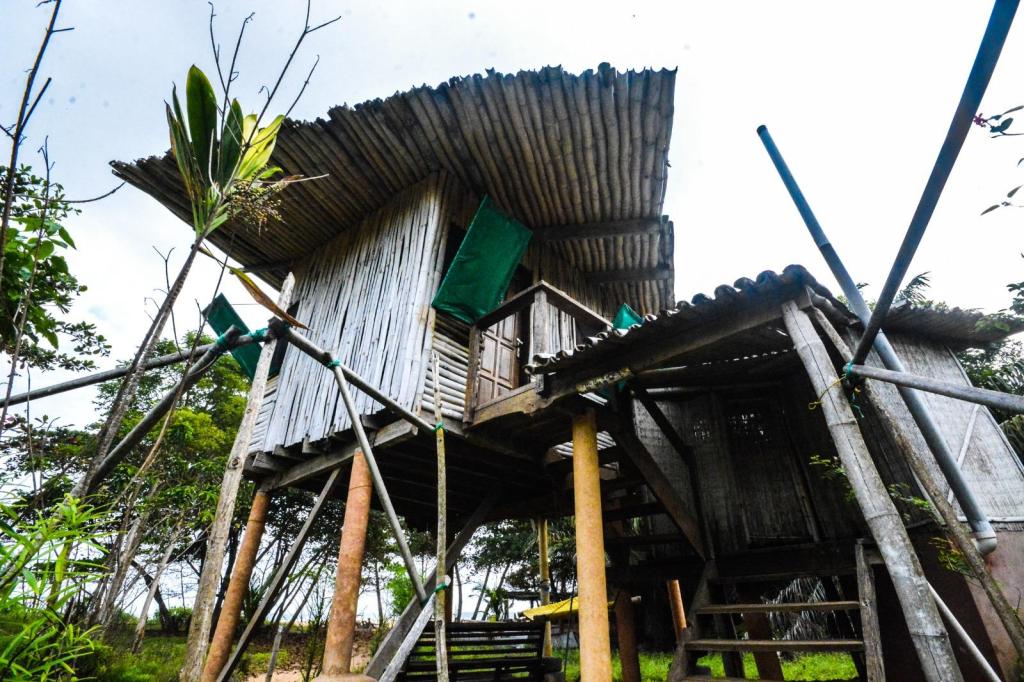
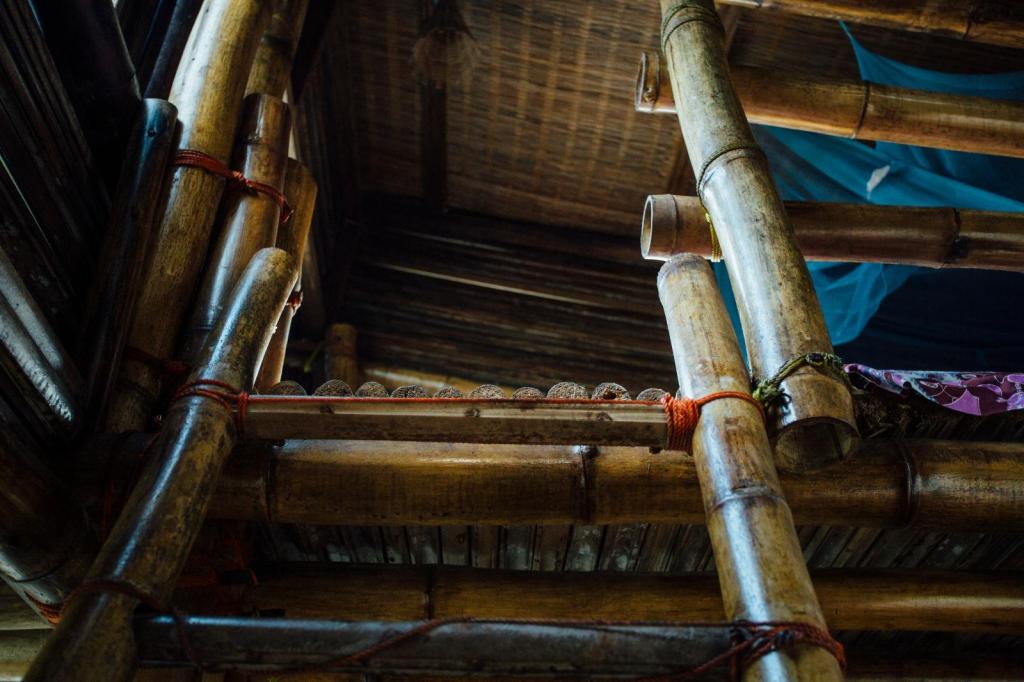
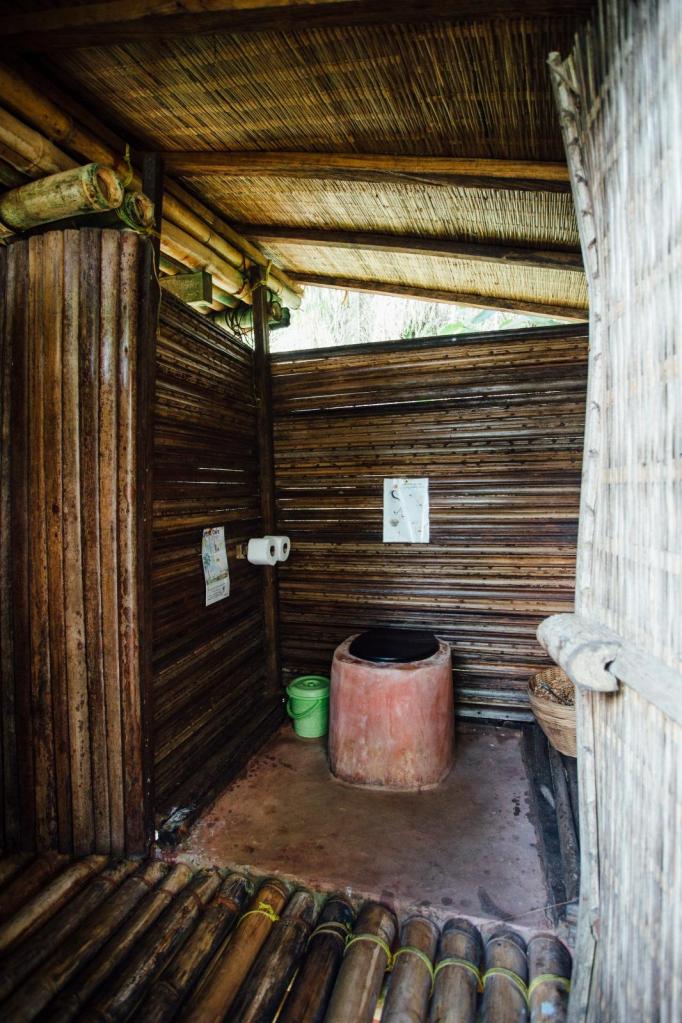
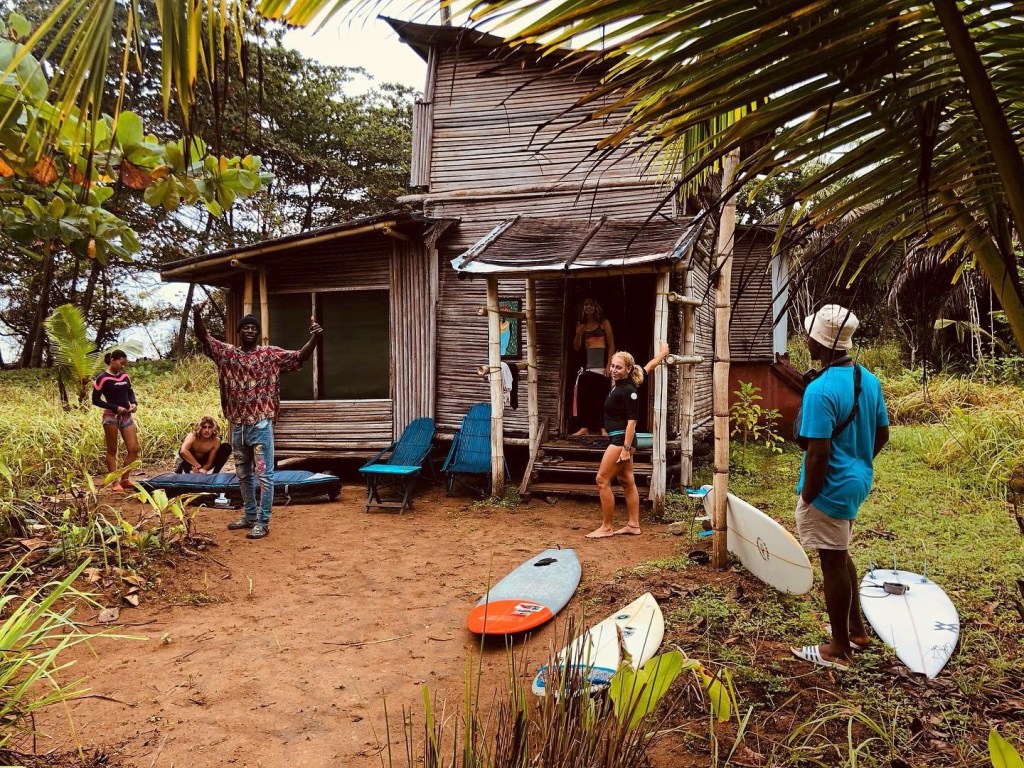
Built along a golden sand beach, Escape 3 Points nestles between two rivers, which flow into the Atlantic Ocean. The structures at Escape 3 Points are handbuilt with natural and recycled materials; from the lodges to the composted toilets, everything is made with earth, bamboo, raffia, thatch, and wood. The source of electricity is solar, and Akwasi and his team are consistently researching and exploring different renewable energy sources to maintain the environment’s eco-friendliness.

At a place where one sleeps to the sound of the sea and wakes to the melodies and chirping of birds and sunrise on the beautiful beach and ocean, the lodgers have only great things to say about their experiences. A guest noted that staying at the eco-lodge made them feel connected to nature and rejuvenated their soul, and another said the sounds of nature were so peaceful and relaxing that it felt like the trees were speaking to her.

With an origin story that begins in Canada and Cape 3 Points, Escape 3 Points has become that popular destination for those seeking to escape the noise and connect with nature. In this interview, we chat with Akwasi about the Escape 3 Points story, his motivations, challenges, beautiful moments, his guests and his plans for the future.

The Story of Escape 3 Points with Akwasi McLaren

NOTE: This interview transcript has been edited for clarity and brevity.

Ifunanya Okolie: Who is Akwasi? We know the story of a young man who came to the centre of the world and camped on the beach with his friends and discovered the intention to build what is now ‘Escape 3 Points.’

What is this man’s story? Who was he before he came on this beautiful adventure? What year did he arrive here? Where was he travelling to?

Akwasi: Well, thank you for the question. It’s a big question. My name is Akwasi Mclaren. I was born and raised in Canada. My mum is Ghanaian. I made my way back to Ghana in 2003. At that point, I was helping my parents manage their hotel and came on a camping trip to get away with some friends and found this place. 

After finding this place, I said, ‘I want to be able to come back here and build my house. My father advised me that ‘you like the place, because it’s beautiful and natural. What happens if you get bad neighbours? You should try and get as much land as you can.’ So, I came to get the land from the neighbour there (Akwasi gestures with his hands) to the neighbour on the other side.

But then, because I did that, it wasn’t so simple to just build a house. Some six years went by, I was still managing my parents’ hotel, dreaming about what it was that I wanted to do here and realising that as I was managing my parents’ hotel, which was more of a standard hotel that welcomes every kind of person, that I really wanted to focus on certain types of people that are really interesting, and draw those people here because I could also see that tourism was really helping the local communities. 

I said okay, I’m going to build something, but it won’t be a hotel. It would be a place where people can come and stay and also experience the area.

My background:

I’m an architect by training. I did my studies in Canada, and I did my thesis at a hands-on, low-cost trade school in Ghana, where the whole concept was a school that had no money but located on the roadside with access to the local resources and the first project for the school was to build the school.

I’d had an interest in composting toilets and compressed earth blocks. And so it was a question of putting it all together. Because of this fact and also that I grew up on the farm in my father’s workshop, it allowed me to come to a place where there was nothing and just began to build.

We started this whole process at the end of 2008 and since then, a lot of things have changed and the whole place has been built organically as we’ve realised we need this or that, we’ve just built, and it’s still a continuous process.

Ifunanya Okolie:

You mentioned ‘we.’ Who are your co-creators?

Akwasi:

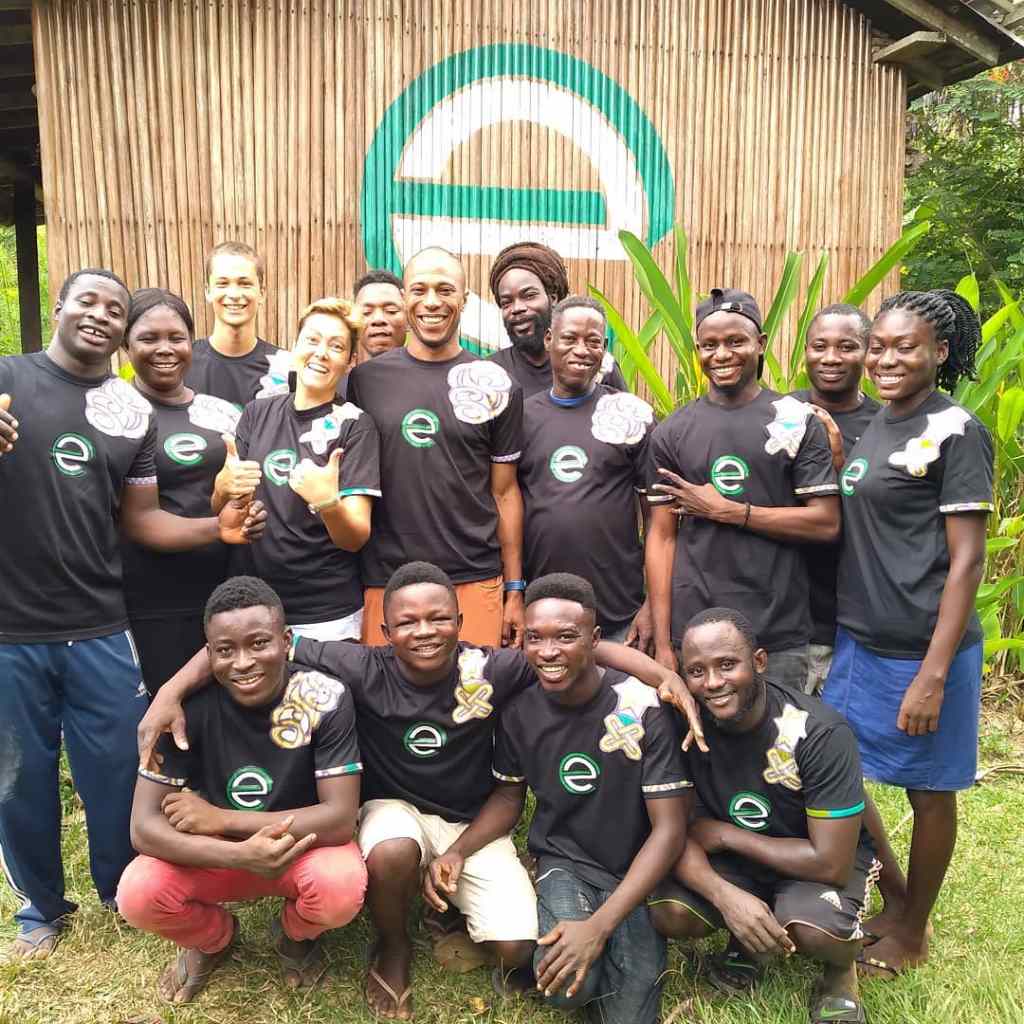
I’m the primary person who started the whole thing. During that time, my wife and I were dating. She’s been very supportive since the beginning. I also have some members of my team that have been with me since the beginning. They came as labourers, have grown as well with the place and become much more than labourers. They know a lot of different corners, the spirit, and all the things we’ve done to make this place what it is.

Ifunanya Okolie:

Great! How would you describe the experience of creating this paradise?

Akwasi:

It’s been a journey, that’s for sure. Since the beginning, it’s been a difficult journey in the sense that I’ve learnt a lot about myself. I’ve also learnt a lot about the fact that one of the things I love and dislike the most would be people. It’s people that have given me the strength to continue to do this, but it’s also people that have also made me completely crazy where I thought, ‘I think I have to stop doing this.’ 

And that balance of trying to see where things are going, but overall, in the end, we’re still doing it, and the power of people still saying ‘don’t stop what you are doing, keep going’ and inspiring us has allowed us to continue to do what we are doing.

Ifunanya Okolie:

Thank you. What inspired the name ‘Escape 3 Points?’

Akwasi:

It’s a bit of a play on words. We are located here at Cape 3 Points, and I wanted to build an escape: an escape from the city, the stress, and the outside world we find ourselves in. And to offer this refuge, the two came together, even though initially, the full name was going to be ‘Eco Escape 3 Points,’ but it’s a bit of a mouthful, so we reduced it to ‘Escape 3 Points.’

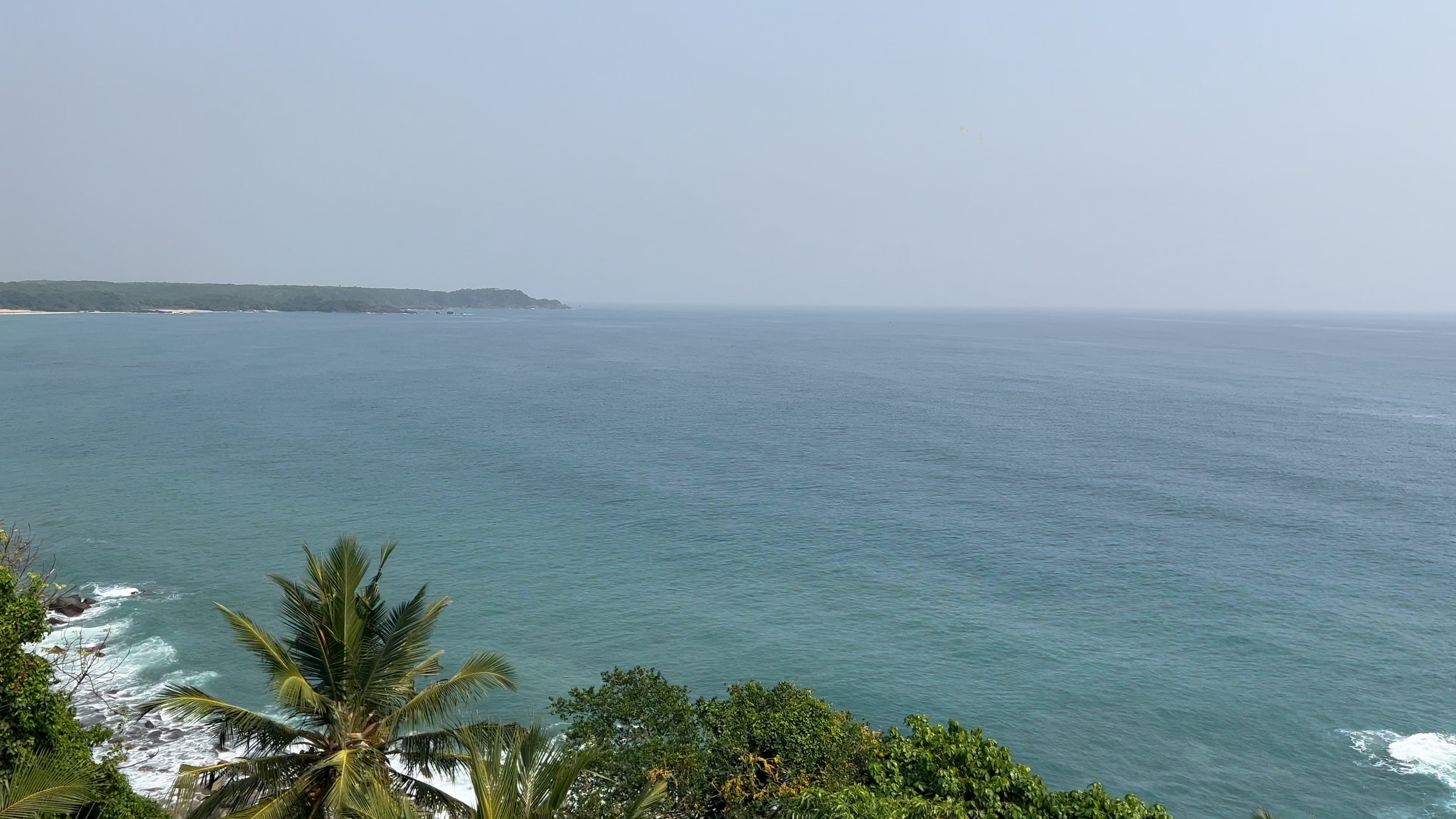
A short video of the Atlantic Ocean at Cape 3 Points

Ifunanya Okolie:

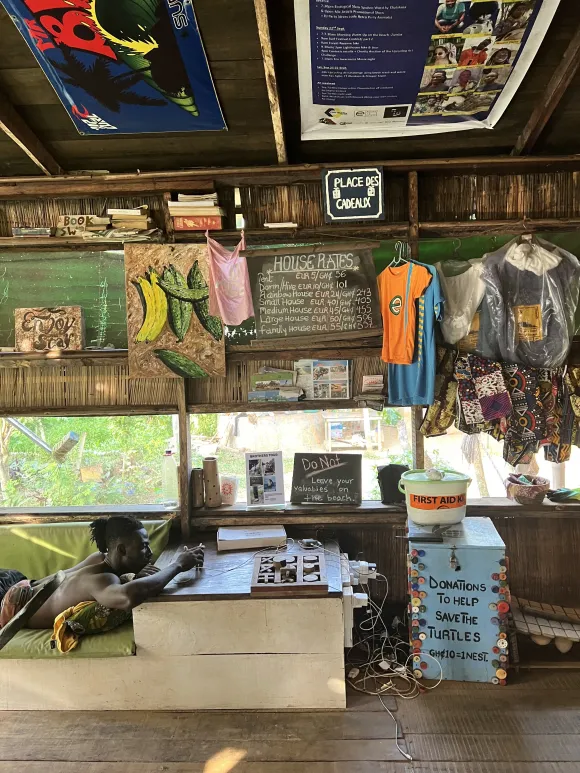
I am amazed at how many people come in here with their valuables and come back to find their valuables intact. The charging point is an example of that. How did you make security work without security guards and CCTV?

Akwasi:

Before I came to live here, there was a story of a surfer who left his bag on the beach when he went out surfing. I had come to greet the chief to check on the land, and the chief passed me this bag, not knowing I didn’t even know the story beforehand, and he said, ‘we’re very sorry, this won’t happen again.’ 

I’m also from a small town, and this town wants to uphold a certain name. So, it helps, for the most part, that people want to do the right thing. They don’t want anybody going away and speaking badly about how this is the kind of people that we are. Having said that, of course, we’ve had small incidents where there are petty thefts incidents and things like this, where many times, the community also comes and helps sort out the situation.

Ifunanya Okolie:

I see. Because my next question was going to be, ‘have you had an instance of theft and violence here before? 

Akwasi:

Not so much violence. Theft, petty thefts, but not so much on-site. Mostly, a lot of those incidents usually happen on the beach. One thing I learned just coming here at the very beginning is that as much as you’re in nature and feel like you’re alone. When you’re in trouble, there are people around. 

I got my truck stuck on-site before we had a properly established road, and people could hear the truck. They came out of nowhere to come and help so that we could get the truck out. There’s always somebody around, and that’s good and bad.

Sometimes, there are people around that don’t have the best of intentions, and they’re opportunistic, especially for the youth, which was part of the reason I came to meet the chief. 

Initially, he knew that my parents had a hotel, so he really wanted me to establish a hotel, which, when I heard it, I thought, ‘okay, well, that wasn’t necessarily what I was coming to do, but let’s see what we can do.’ But for him, it was more about the importance of creating jobs for the youth, and I could definitely see that. I mean, for this community as it’s so remote, there are not many opportunities for the youth. So either they start to follow in their parents’ footsteps of becoming fishermen or farmers, or commit petty crimes out of boredom because if people who want opportunities don’t get the opportunities, they’ll find ways and means to get it. So, definitely, there’s still an opportunity for the youth to have more experiences here so that we can minimise these kinds of incidents.

Ifunanya Okolie:

I agree. I hear what you’re saying. Have you experienced a case of culture shock from a guest before? What was it about, and how did you handle it?

Akwasi:

I don’t know if we had people who experienced too much cultural shock once they reached here. Typically, just the fact that they’ve already arrived in Ghana in a car, and they’ve had to have a bit of a journey before they reach here.

But for people who’ve never been to Ghana, coming here – even here – I like to say that Accra is not Ghana. Accra is its own entity, Escape is also the same. So, we don’t have all the daily issues of Ghana here. In some ways, it’s a bit easier to acclimate yourself to what’s going on in Ghana and try to understand the culture better because there are different things about people’s understandings and mindsets that are different from everywhere else. And here, it allows you time to sink into it, so it’s not so much of a high-speed shock.

Ifunanya Okolie:

I’ve met one or two volunteers here. What is your process for signing up volunteers? What do you look out for? 

Akwasi:

We’ve had volunteers from different places. We have a post online with Workaway that people are applying through. We’ve also had people who either come as guests, and they have family members, or they know somebody who is also interested in coming here.

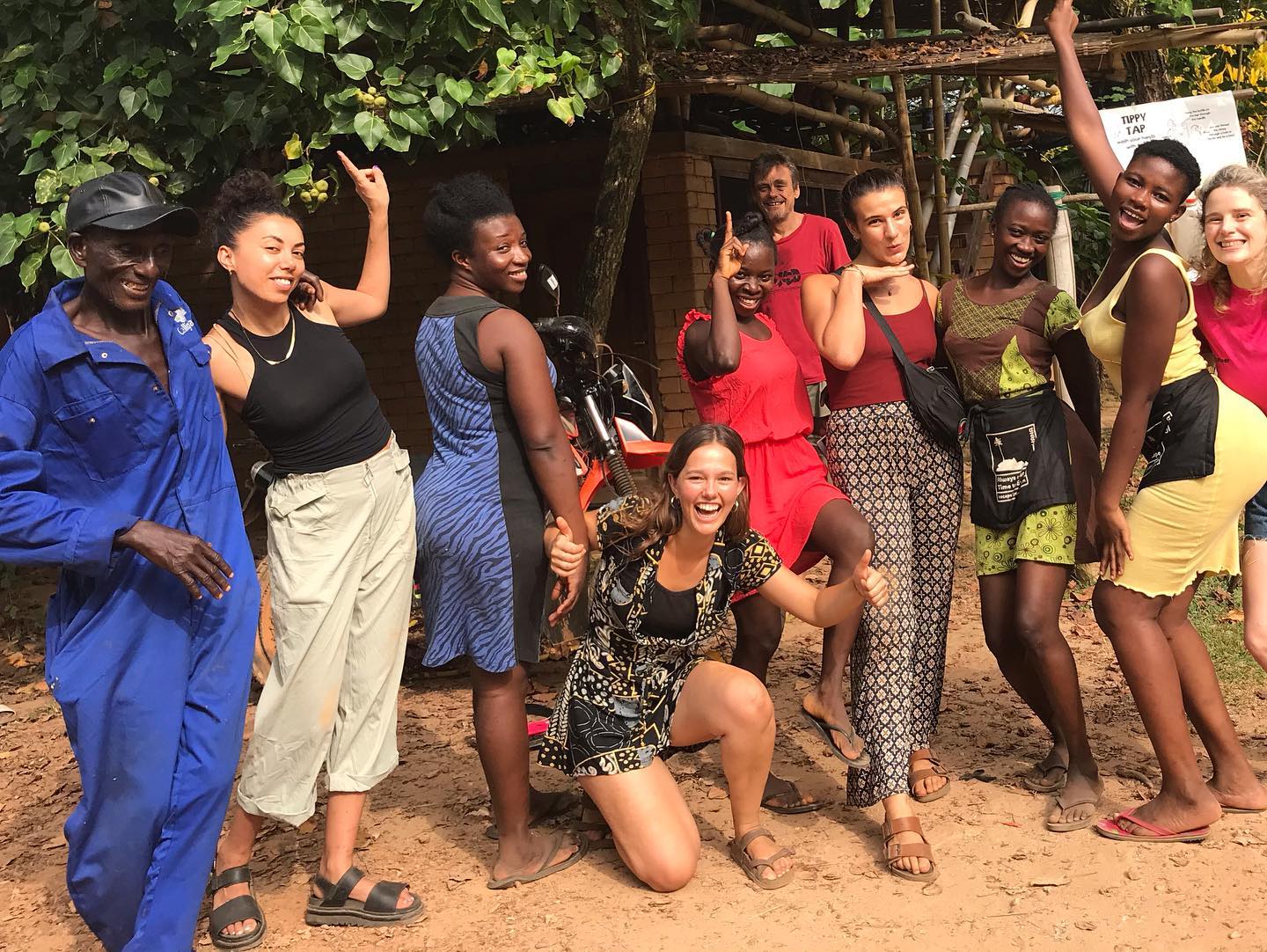
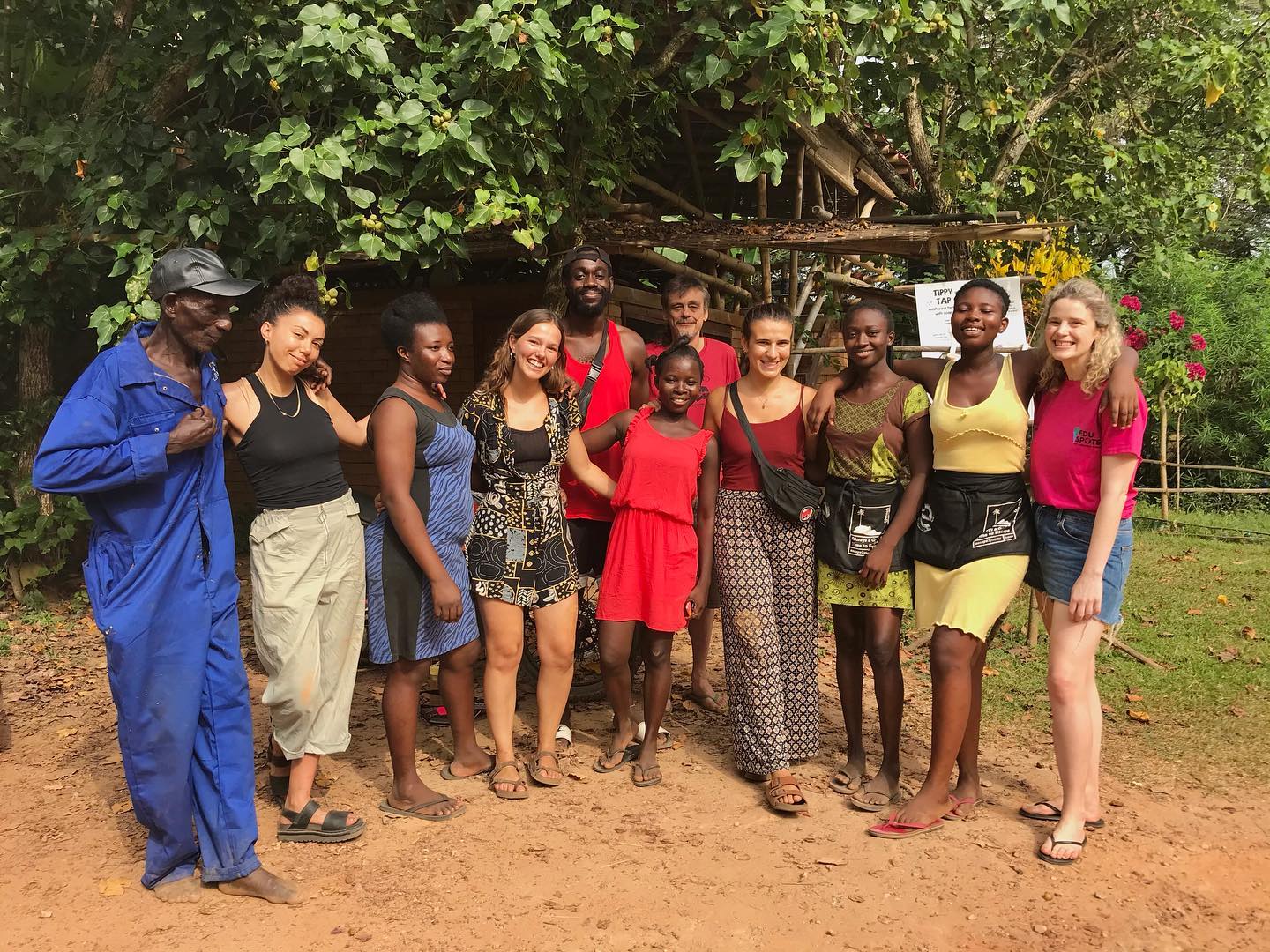
We’ve also had guests who have said: ‘Oh, well, we want to come back. We really want to take part in what you are doing.’ When I look at volunteers, I look at a combination of the projects we have going on and their skill sets and try to see how we could balance things and also improve upon things. Because a lot of times when people are coming, they want to learn more about what we’re doing, but I also want to try and find a balance where they’re able to learn more, and the team can also gain from their experiences and knowledge because definitely, everybody who comes here comes from a completely different background.

So, there is always something we can learn from each other. And that is part of the whole concept from the beginning; it is about sharing knowledge from people from outside, people from here because there is a lot of local knowledge that is very valuable, but a lot of times, people don’t see the merit in it. But people coming from outside can see it.  

And the same with people coming from outside; they’ll know things, but they won’t necessarily write on their CV that they know certain things because they don’t feel it’s important, but afterwards, it turns out to be something very valuable that works very well with the environment and what we’re doing. 

Ifunanya Okolie:

Thank you. Do you have any projects you’re currently working on? 

Akwasi:

You know, right now, I think I don’t have a project for once. We finished this working space here at the end of last year, and we’re doing some renovations around it.

So, at the moment, I’m just brainstorming about which project I’m going to take on next. It’s also the Christmas holiday period. It’s a moment where we focus on the people coming to make sure they also enjoy their experiences. And now, as we’re moving into 2023, it’s the moment to see what project we will take on next.

Ifunanya Okolie:

Are you hiring? 

Akwasi:

Yes.

Ifunanya Okolie:

You’re always hiring?

Akwasi:

Not necessarily, but this year, we’re restructuring how we’re doing things. I can see that I need to take a step back from a lot of the day-to-day happenings here. Although, my problem is that I know how to do everything, which is good and bad. But it’s also not allowing me to bring things to the whole next level.

I’m also looking at restructuring and putting key people in between that can lead alongside me because I have a lot of strong people within my team, but leadership is where it’s more difficult. You know, when you’re on a team, you want to be a part of the team. You don’t want to be on the side.

And so it’s trickier to find the right people who want to be able to lead because a lot of the time, the people who want to lead are doing their own thing, which is normal. So right now, I’m looking at filling more managerial mid-positions within the company.

Ifunanya Okolie:

I’ve seen you surf. Do you have other hobbies or interests that help you think outside the box? 

Akwasi:

Surfing is a big thing that plays into my life. I also DJ a bit on the side. I’ve been learning guitar, but mostly, just doing what I do occupies a lot of my time, and yes, it’s my work per se, but at the same time, I’m my boss, and I get to research and learn more about a lot of things that have piqued my interest. So, my work is also my hobby. It keeps me quite busy, and I’m also able to do it at my own pace most of the time. Apart from some music and some surfing, I’m okay.

Oh, I have my children. That also keeps me quite busy.

Ifunanya Okolie:

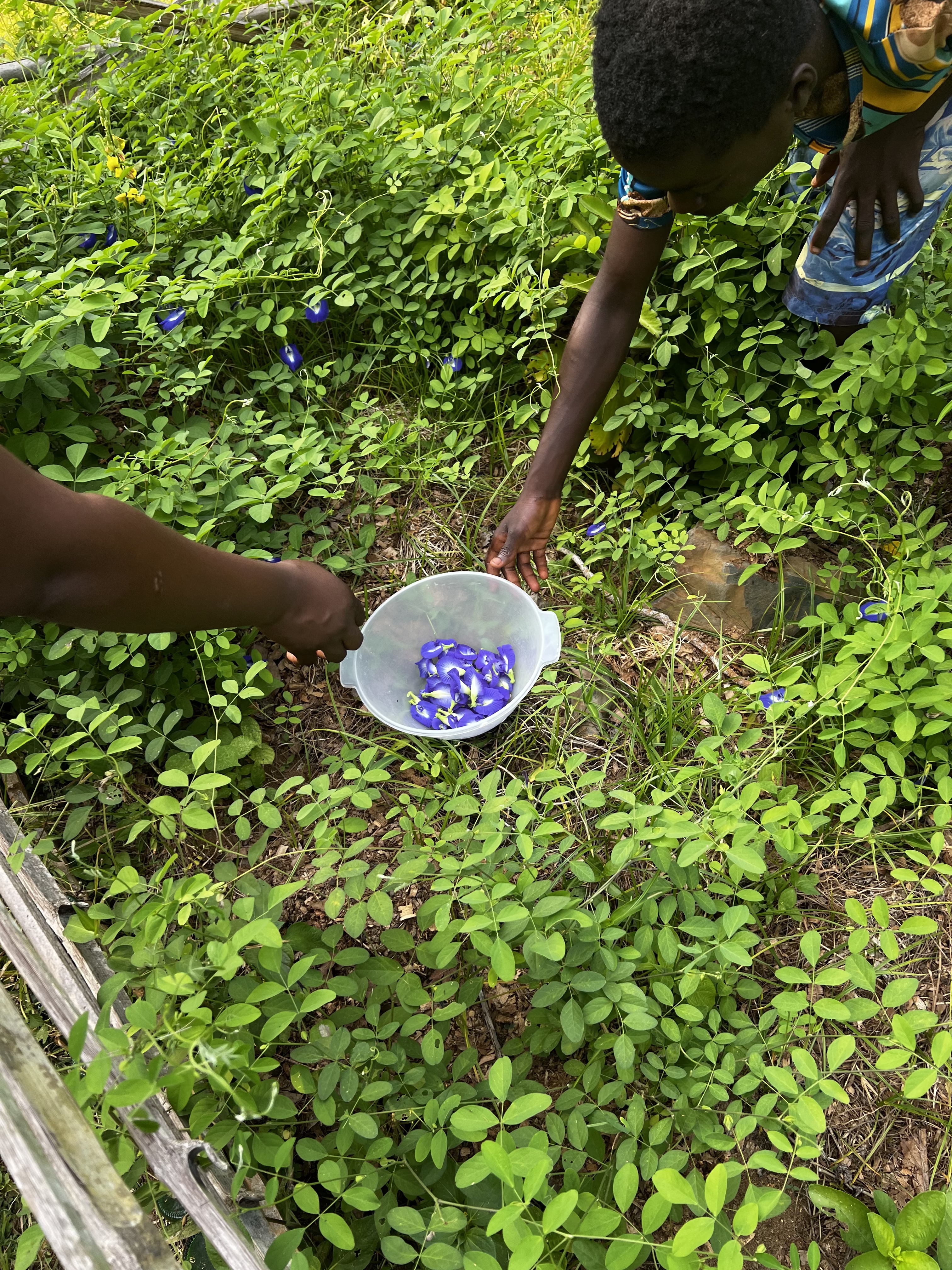
On the 31st eve, I saw some workers picking butterfly pea from the farm, which was used to make blue rice for the 31st dinner. Do you get your produce from the farm?

Akwasi:

There you go! That answers the question. I’d forgotten this. Yes, we have quite a bit of produce that comes from the farm. 

Over the years, our farm has either been extremely abundant or not producing enough. It’s always been bearing a lot, and also, because we’re doing it organically, it’s a bit of a new concept to my team.

Currently, I have some people around, some permaculture experts, and we’re working on restructuring the farm to make sure that it is more productive on a consistent basis.

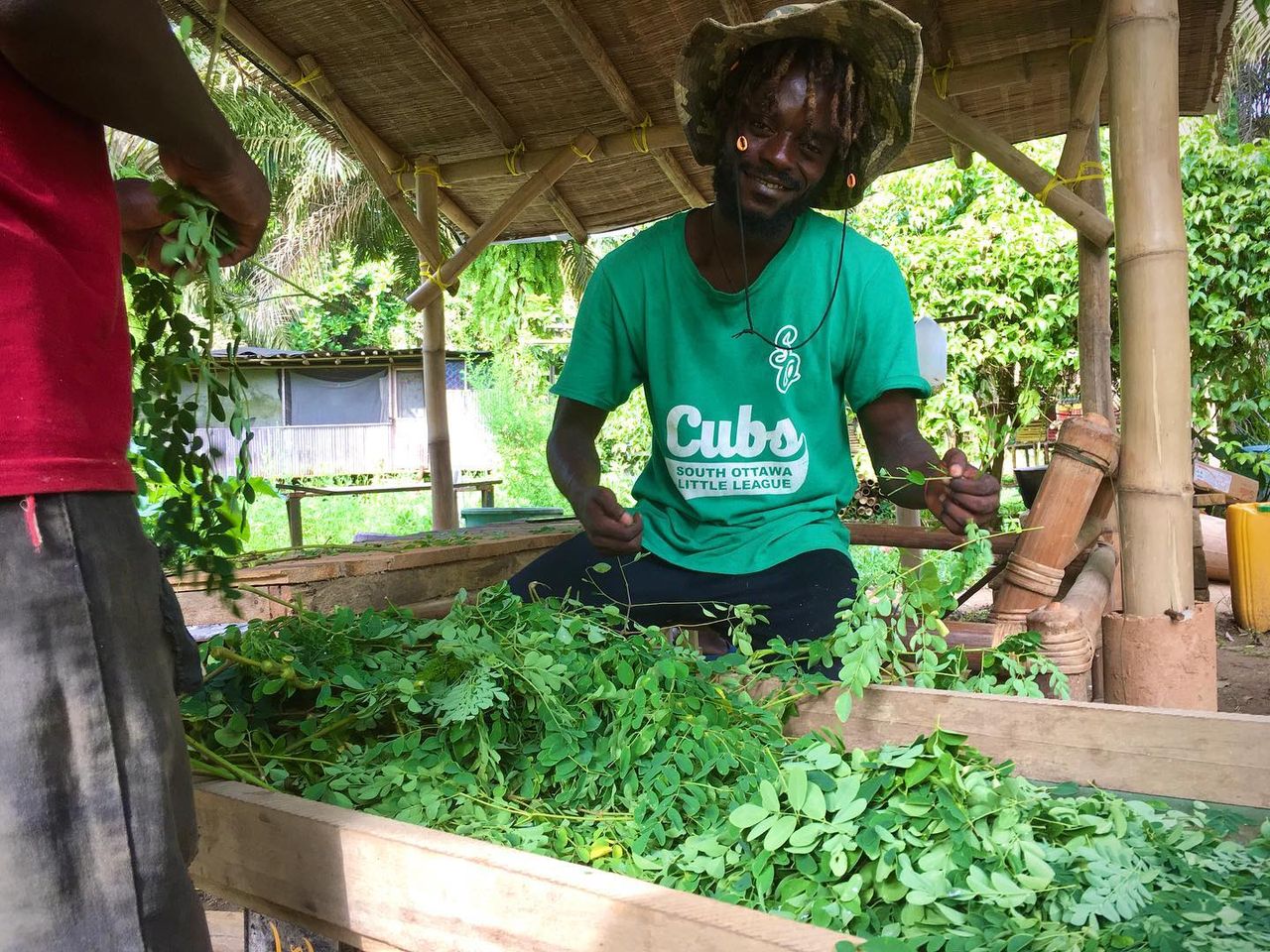
That is actually the first project of this year, which has already begun. We are already on the first project and because part of the whole point is that as we are here, the idea is to be self-sustaining in all aspects and showing an example of that, so definitely being able to produce your own food so that you don’t have to buy from outside.

Of course, there are certain things we will buy from outside, like rice or beans, but to be able to produce as much as we possibly can in terms of fruit and vegetables and herbs here on-site.

Ifunanya Okolie:

Is there something you would do differently as the creator of Escape 3 Points if you could go back in time?

Akwasi:

I think I would be more careful to document and keep every documentation of everything we’ve done.

Apart from that, it’s difficult to know how the journey would have gone. There were moments when I was ready to stop the whole thing.

And it was just chance and what’s happened along the way that’s formed this. So, I don’t know if I would’ve done it any other way, but as I’ve been doing it, learning how to do it in a better way and better balance, just life balance versus work balance and making sure that everything is flowing.

Part of the thing is that what we do is not conventional. It’s tricky to see how to try and find a balance when there is no simple blueprint that we can just follow. Whereas, if we built a standard hotel, it’s easy. It’s like, (Akwasi gestures with his hands) do this, do this, do this, but as we’re pushing to try and do it differently, it’s also about trying to find solutions to unknown problems along the way.

Ifunanya Okolie:

Do you keep in touch with other creators and other guests who’ve lodged in here?

Akwasi:

I bet, yes. And in fact, this past 2022, covid affected a lot of things here.

2022 was a wonderful year. We had several young creatives who came through. It was wonderful to have that kind of energy around because when people come and enjoy this, it’s wonderful, but also, to see and feel that creative energy through others is inspiring for me.

And so this year, we’re going to be encouraging more creatives to come into our space because there’s a lot of energy here that helps inspire things for different creatives.

Ifunanya Okolie:

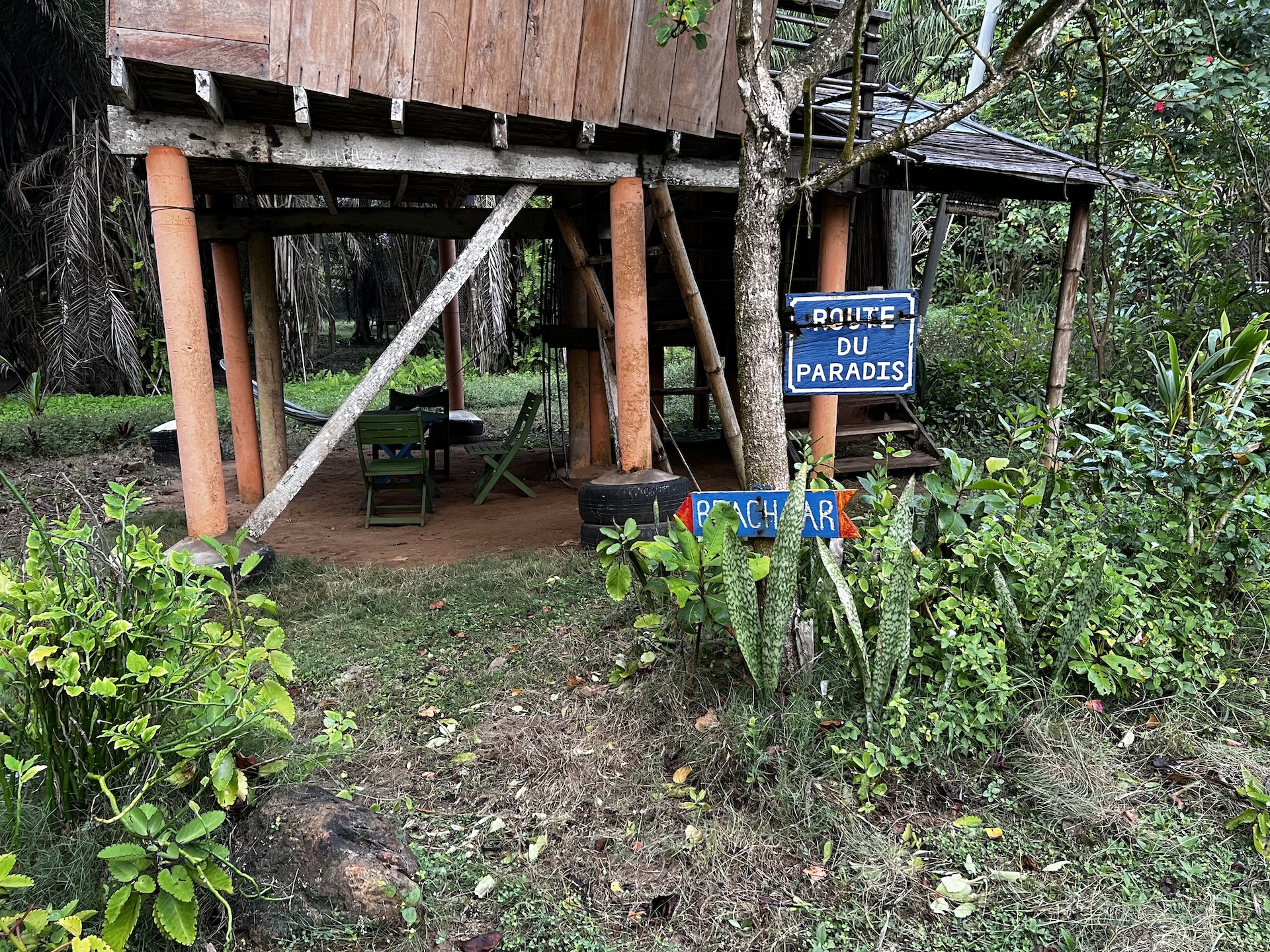
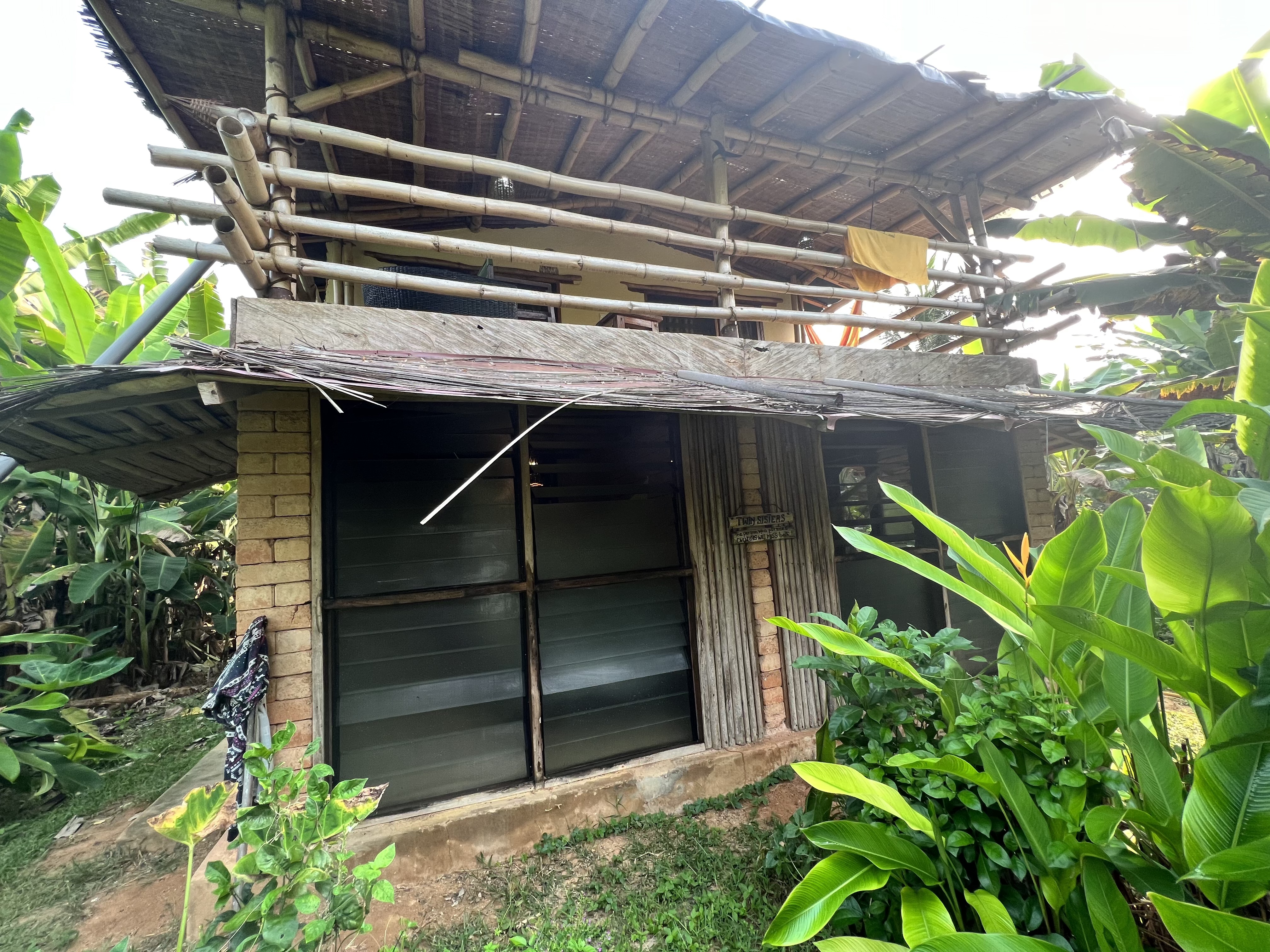
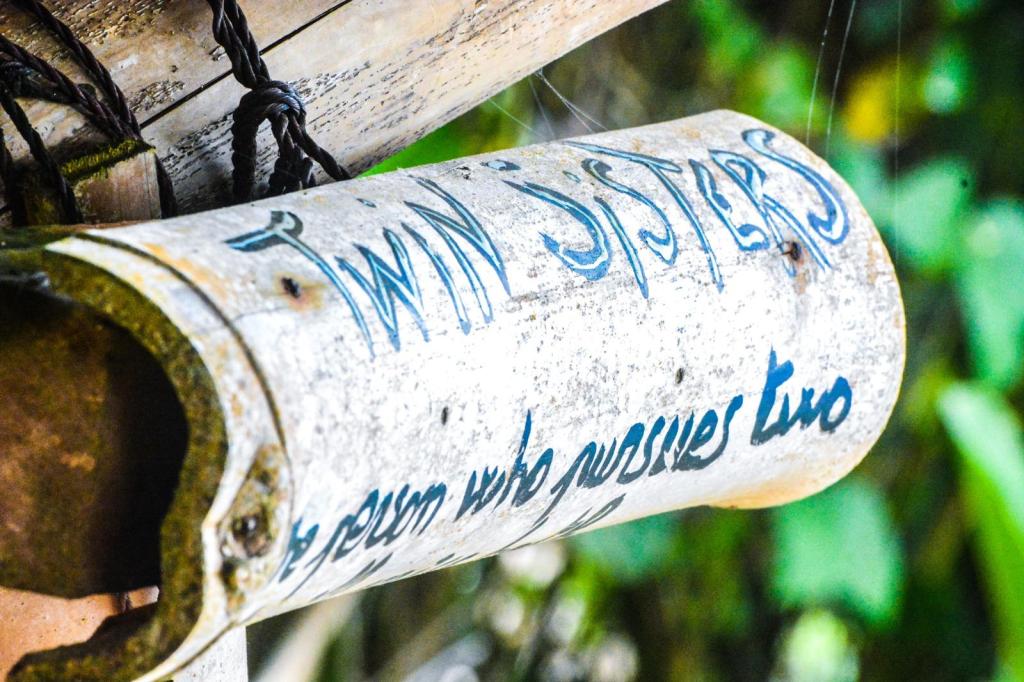
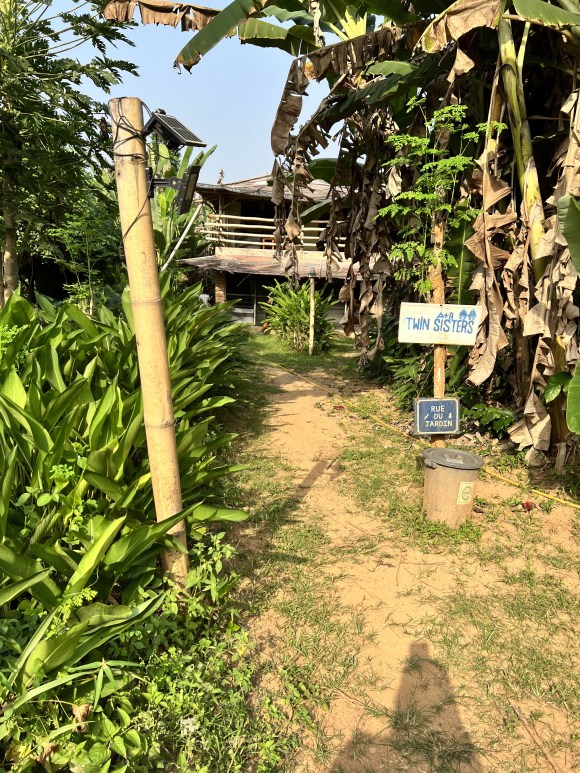
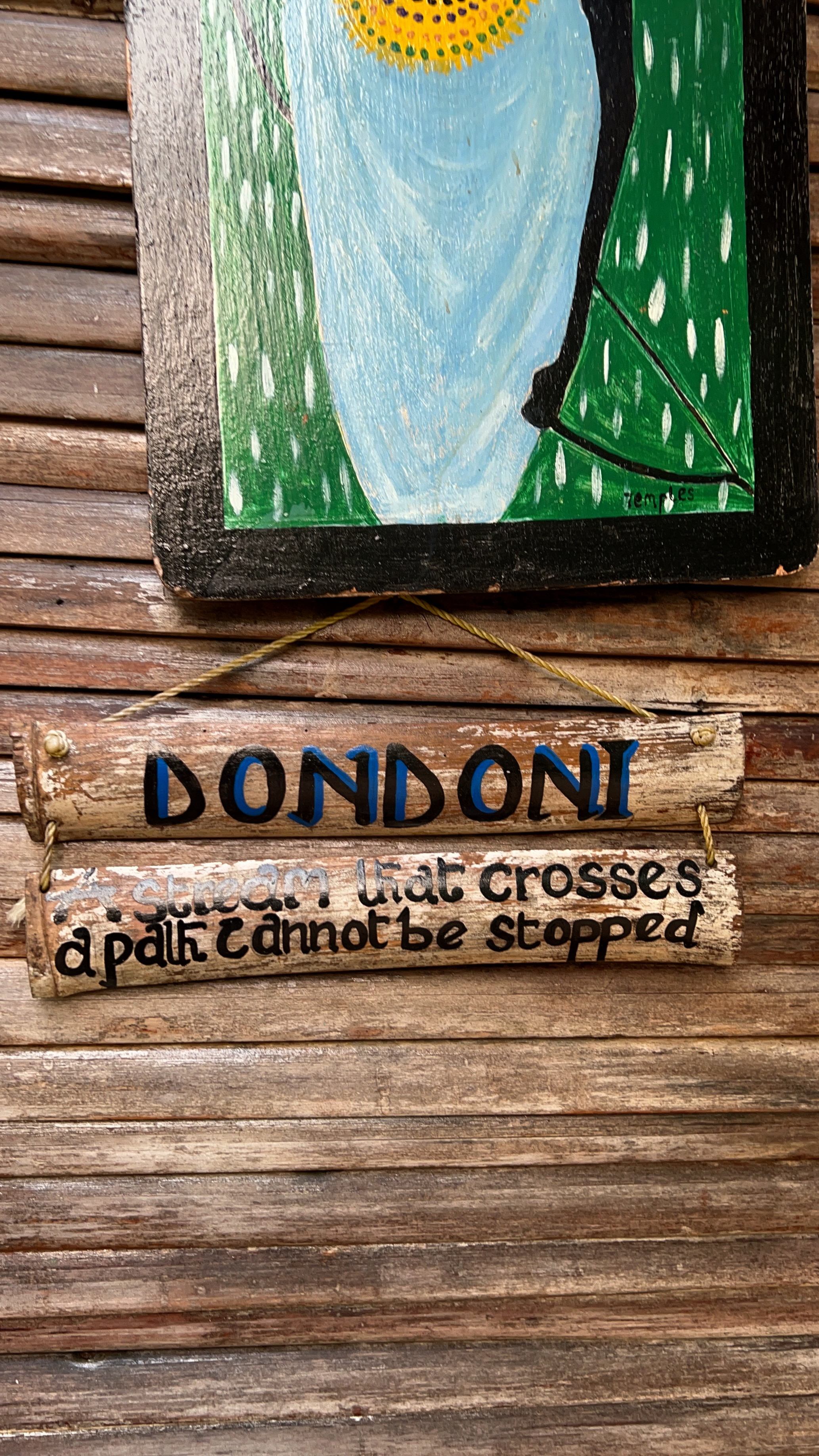
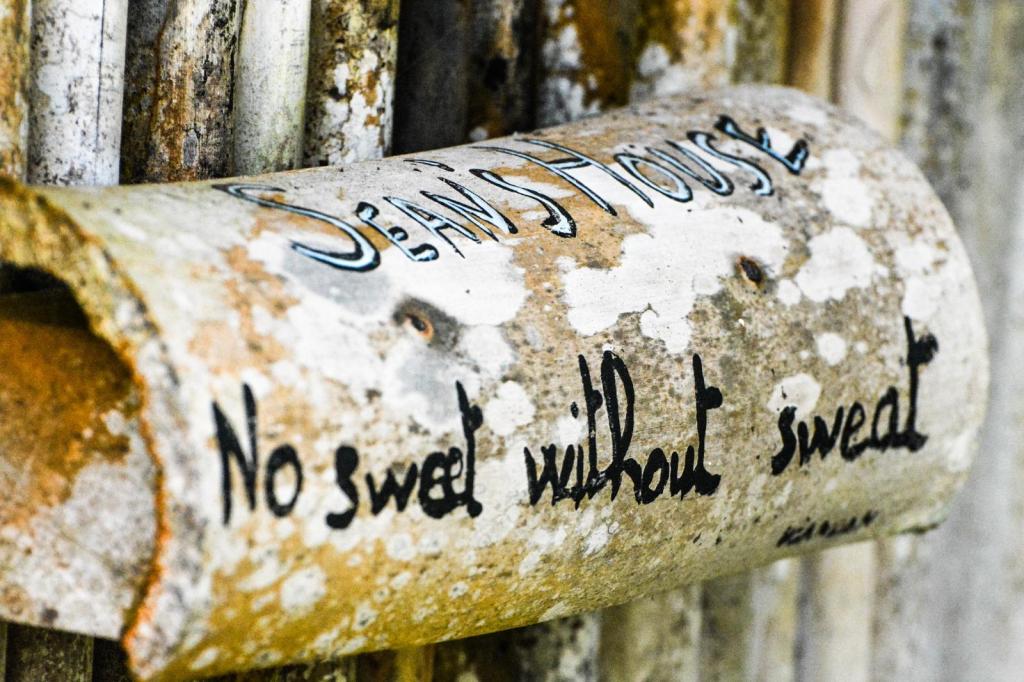
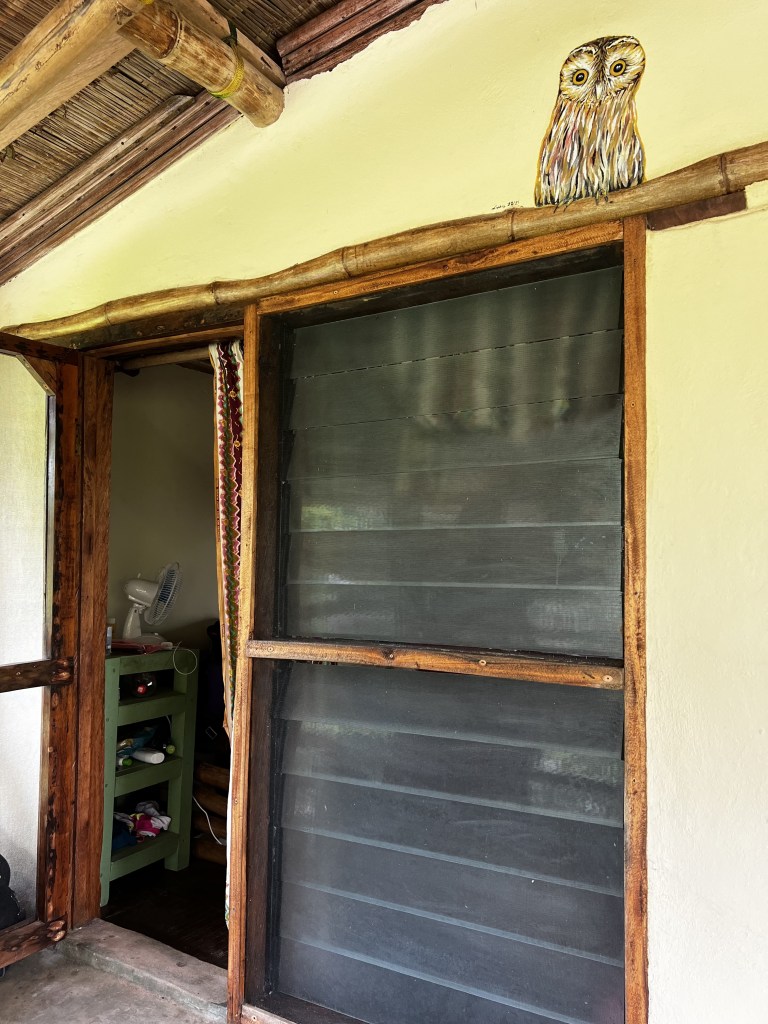
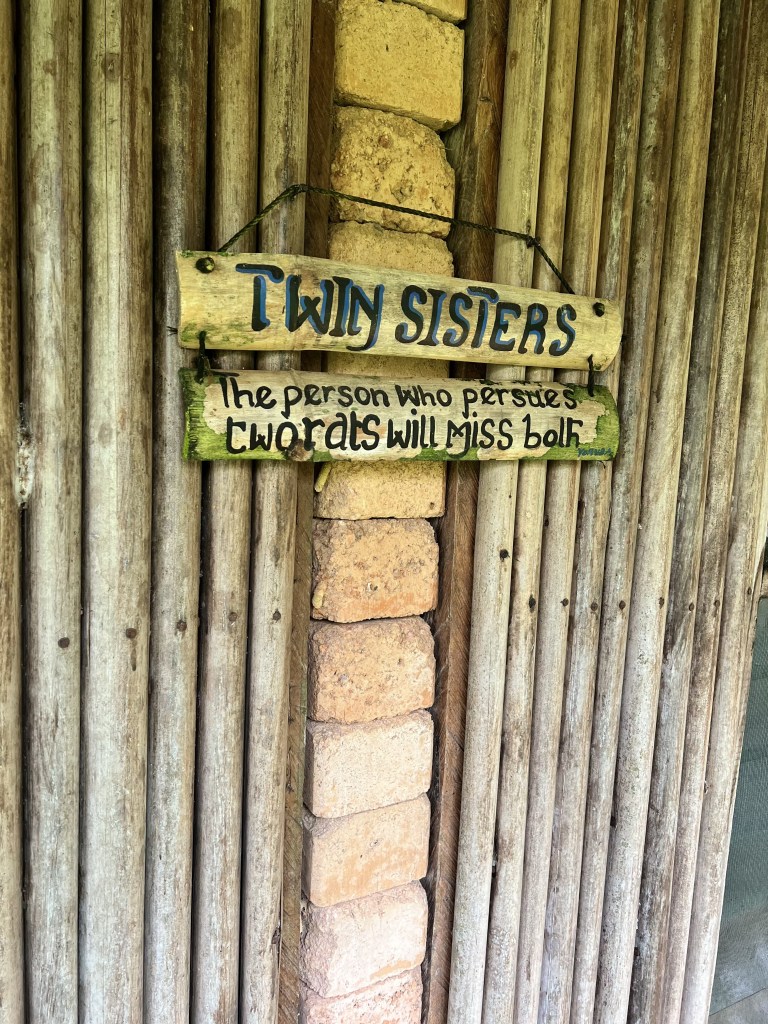
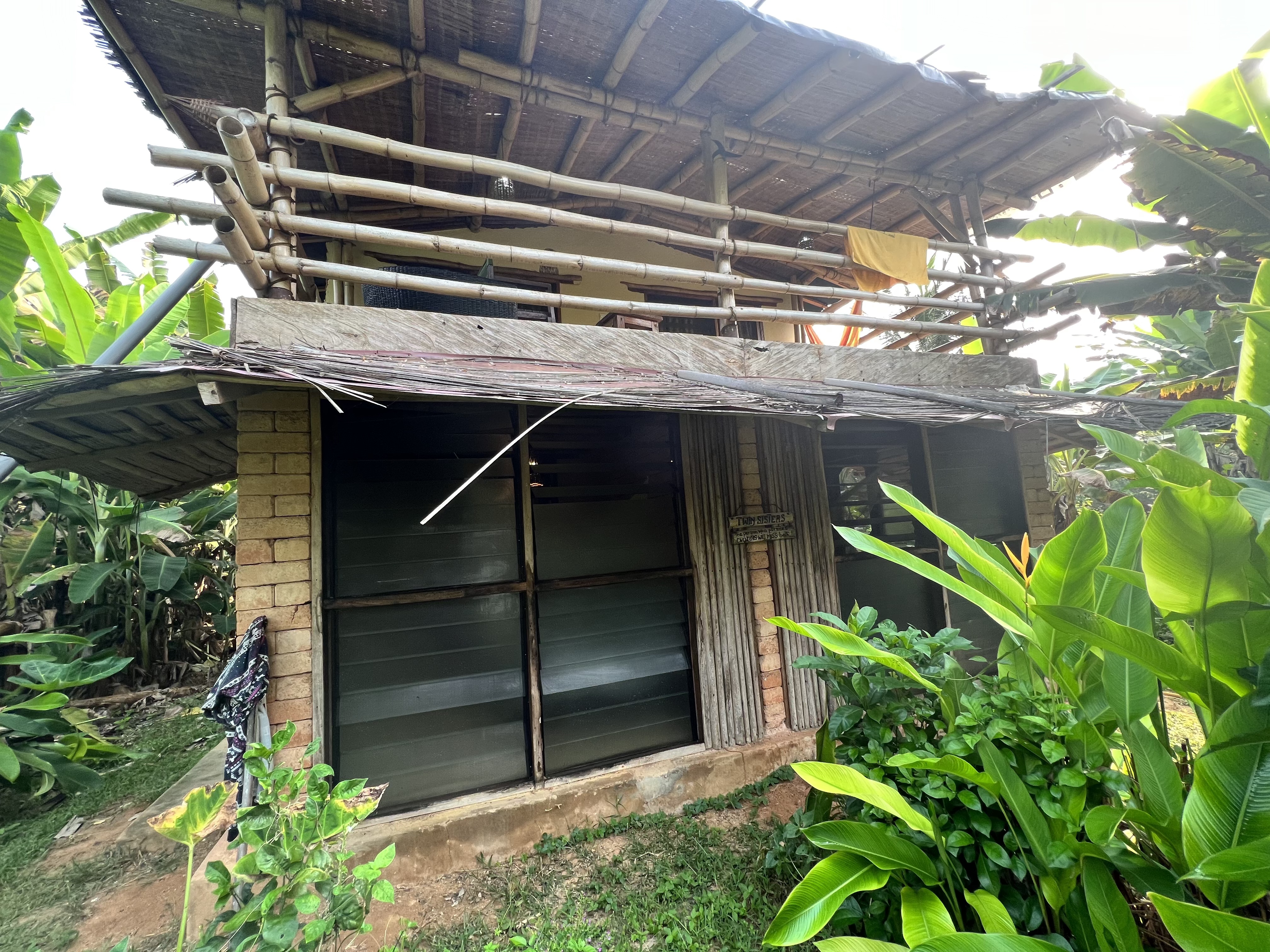
Let’s talk about the naming of the lodges. I’m in the ‘Twin Sisters’ lodge, and saw the inscription underneath the name, ‘the person who pursues two rats will miss both,’ and there’s an image of an owl on the wall of one of the rooms. Is this symbolic?

Akwasi:

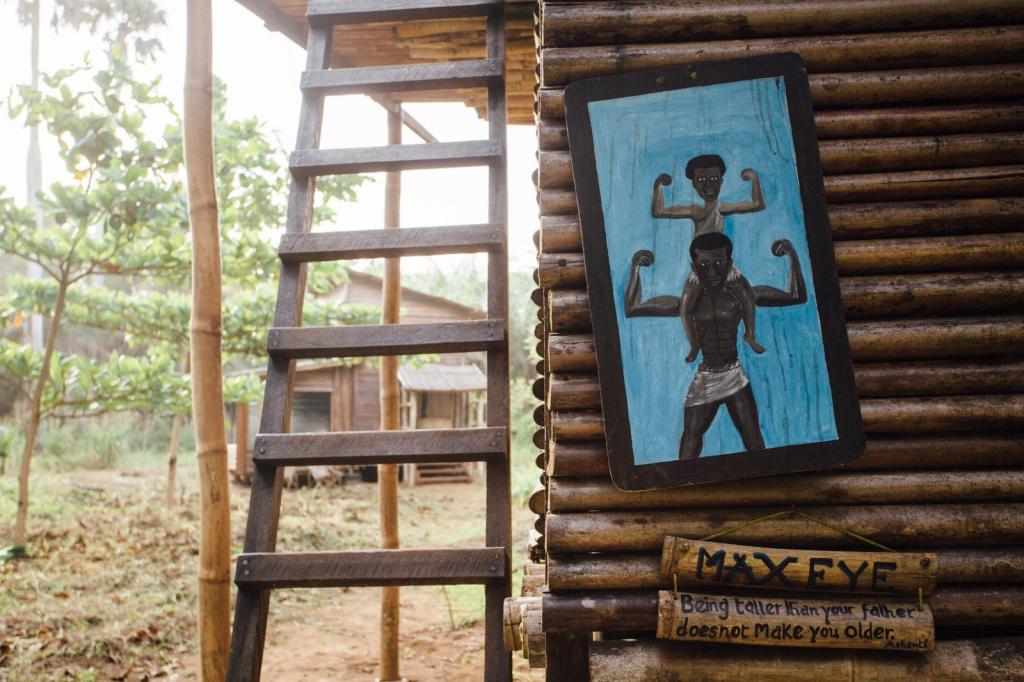
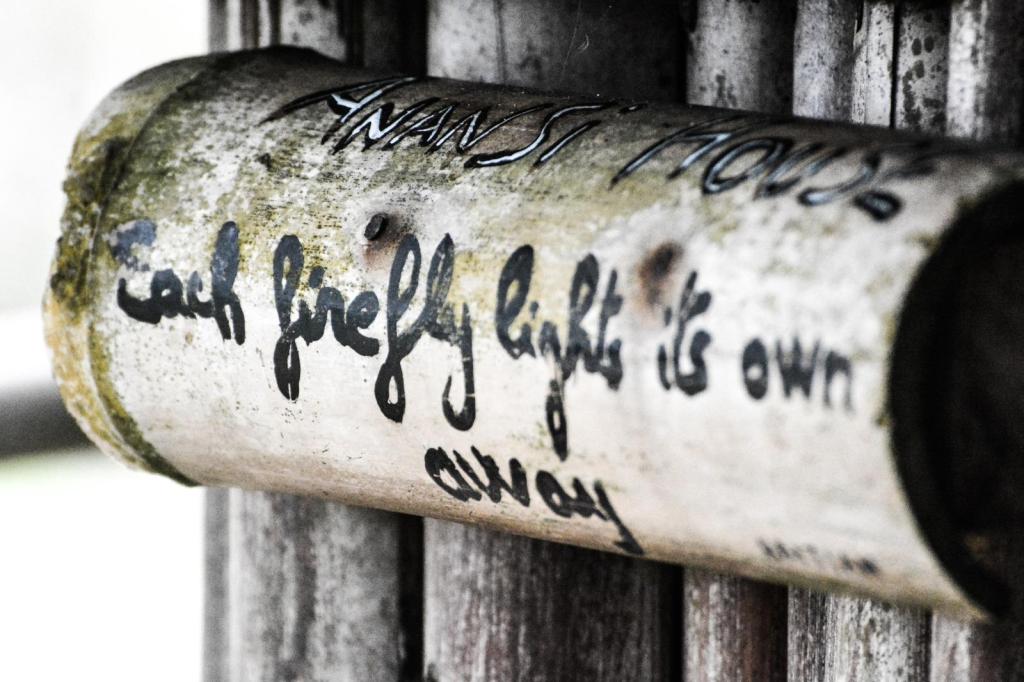
Each part that you spoke about is symbolic. Even then, in the naming of the houses. Every house has its name, and every house has its own story about how it came to be.

So, that was the beginning of the process. Afterwards, when we were putting the names of the houses on, we added a number of different African proverbs that we thought were also fitting in relation to those houses. For example, the idea of the twin sisters was to build a two-storey house only with earth and Bamboo. After the whole process of building the house, we achieved it.

Afterwards, we got feedback that the round Bamboo was a bit too round and difficult on people’s feet. We did some modifications and changed things. Every house and space continues to evolve and change, and likewise with the owl on the wall. We had the opportunity to have a volunteer with us who was a painter. We discussed doing some murals. We did some painting. We brought the idea of the owl to add some small touches and feel to the space. Every house continues in that sense. But we can spend a whole day just on the explanations of each house. But yes, there’s a story. It’s much the same with everything that’s happened here. There’s a big story behind everything that’s happened here.

Ifunanya Okolie:

I’m curious to hear this story. We will set up another interview for just that. How many lodges are here? 

Akwasi:

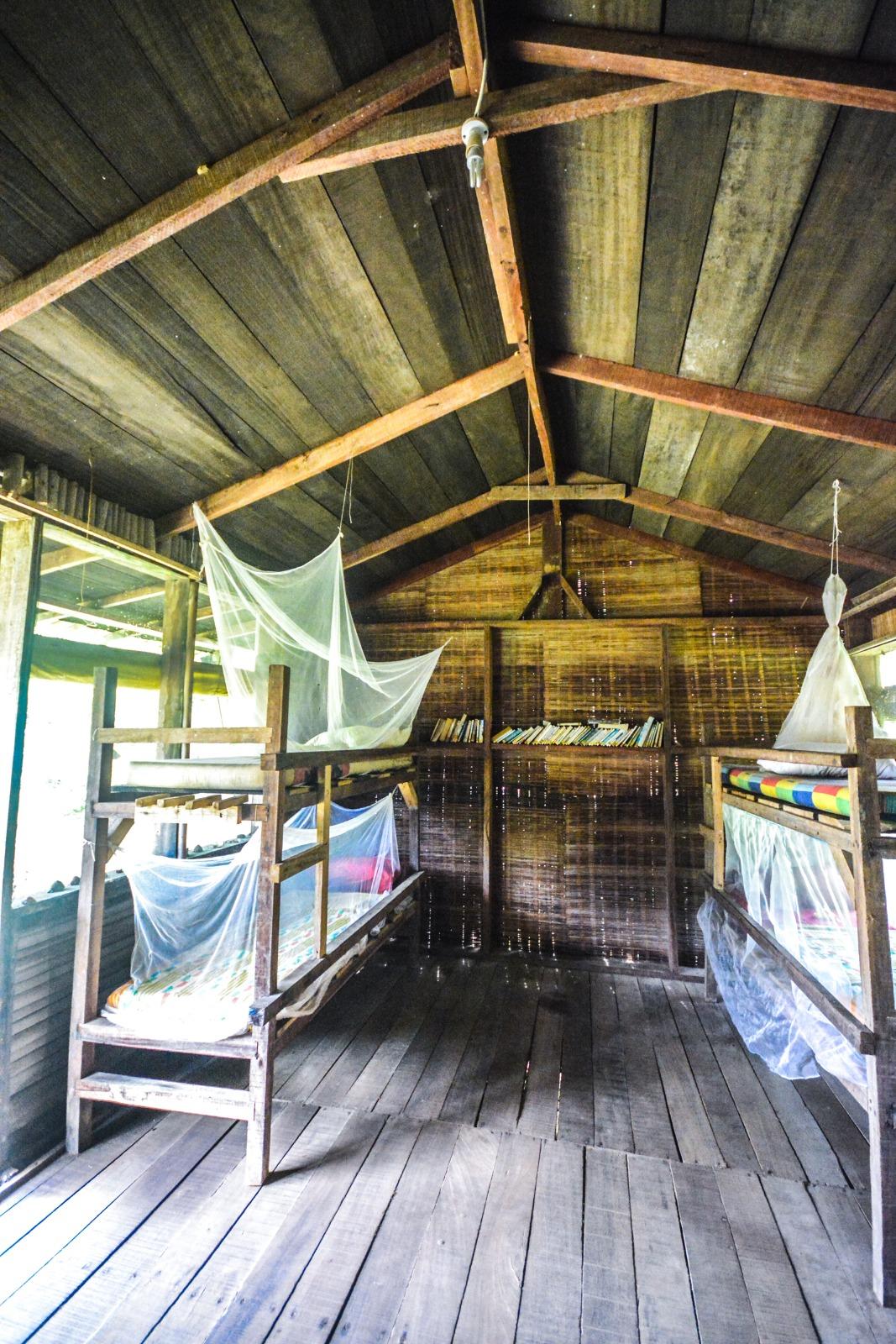
We have 11 bungalows. We also have the dormitory that sleeps ten people.

There’s also the rainbow house, which consists of six rooms that sleep two in each room, with a shared toilet and bath. Typically, if we are full on a normal day, about 50 people can come and stay here. 

Ifunanya Okolie:

Interesting. Would you design more lodges in the future? 

Akwasi:

In fact, one of my projects for 2023 is not here on-site.

It’s at Lake Bosomtwe, where my grandfather’s from. We plan to build a two-bedroom earth block building just as a small house. Also, the idea of taking some of our construction methods to other places so that people can experience it and know it will also help to inspire and bring better solutions for people to build.

It’s one of the things I’ve wanted to do for years now, and this is because building with earth makes so much more sense for me than building with concrete. And with the current prices, inflation and things with the price of cement, it makes it difficult for people to build, but for me, there are better options like using earth. While my parents were building their hotel, I encouraged my mom to build with earth, but she said ‘no.’ To her, it was too much village-style building. But, for me, it’s a question of education. Yes, earth is more on a village level, but people don’t understand that it’s the details and the construction that allows it to be something that can be sustainable and last many years.

So, being able to build like what we’ve been doing here allows people to touch and feel and understand better that this could be a better option; I can still have my air-conditioned house; it’s a much cooler space. There are different benefits of building in alternative ways. But many times, I see young architects, even in Ghana, that are not taught these methods because of the liability. And the fear is that people are not a hundred percent sure about how to do it.

So even when it came to doing what we’re doing here, I looked to discuss with different people, but it was difficult to find people who were knowledgeable enough and wanting to share their knowledge. So, for me, this whole journey has been actually experiencing and learning it.

And now, there’s a big push that we need to share all the knowledge we have here. I feel that it’s important that people know how to build with these kinds of methods and be more self-sustainable, especially after what we’ve experienced in the last two years with Covid and the world. And the fact that so much of the world is dependent on other people and other sources, and if we can be more self-sustaining, we can be in a better situation when conflict comes.

Ifunanya Okolie:

Thank you so much for sharing that. What emotions would you say Escape 3 Points evokes in your guests?

Akwasi

I think my guests are just really happy to be in a serene environment in nature. At the same time, some of those people have their jobs, and they also need to be able to check in, and we’ve been creating these spaces so that when they are here, and they are doing those things, they can take their moments, check in, do their work, and then also unplug again quickly.

This space helps us cut off from those things that would bring us too much stress or anxiety, but also, we are not completely cut off from the world. 

Ifunanya Okolie:

What are some of your favourite memories of Escape 3 Points that you have?

Akwasi

That’s a good question.

The first memory that comes to me is during covid, we closed the lodge for two months. We’ve only closed the lodge two days in 13 years. One was for our wedding party. It was just to invite friends and be able to use the space. And the second was the outdooring for our daughter. Both times, people showed up without notifying us in advance. 

We welcomed them to come and join. But for Covid, we shut down for two months, and upon reopening, we were getting a lot of pressure from people living in Accra that wanted to get out of being locked away in their compounds.

When it came to reopening, we said we’d allow people to come again and see how it goes because we didn’t want to bring Covid to the village. We did a soft opening and had a couple of families come in groups.

When the children came out of the cars, you could see that they’d been locked away for two or three months. They looked so free and happy. I had tears in my eyes watching these children run around, and I said, ‘okay, we have to keep doing this. People need this.’ It really helped us push and reopen the lodge because even when we closed it, I was upset that this is not a good reason to close. People need to be able to go outside, especially in this kind of time, But I understand that people are doing their best to make decisions that this is what we should do.

But I’m like, ‘no, people need to be able to get away from all these things and be able to breathe proper air and have space between yourselves naturally.’ So yeah, I think that’s the first big memory that comes to me. There’s a lot. There are a lot of stories.

Ifunanya Okolie

Thank you so much for sharing that. Thank you for answering my questions, and for your honesty in sharing your answers to these questions. Hopefully, we get to have more storytelling sessions because I hope to visit soon.

Akwasi

My pleasure, thank you. And thank you for coming, and thank you for the opportunity to share. As many times as I tell the same story over and over again, it is nice to actually share this story. And when other people share this story, then I can tell the other stories and not the same story all the time.

THE END.

Creatives Around Us granted permission to feature photos by Akwasi Mclaren; Additional photographs taken by Ifunanya Okolie.

Categories
fashion interview

Introducing Fashion Designer Kunmi Oni: the founder of 1964 Brand

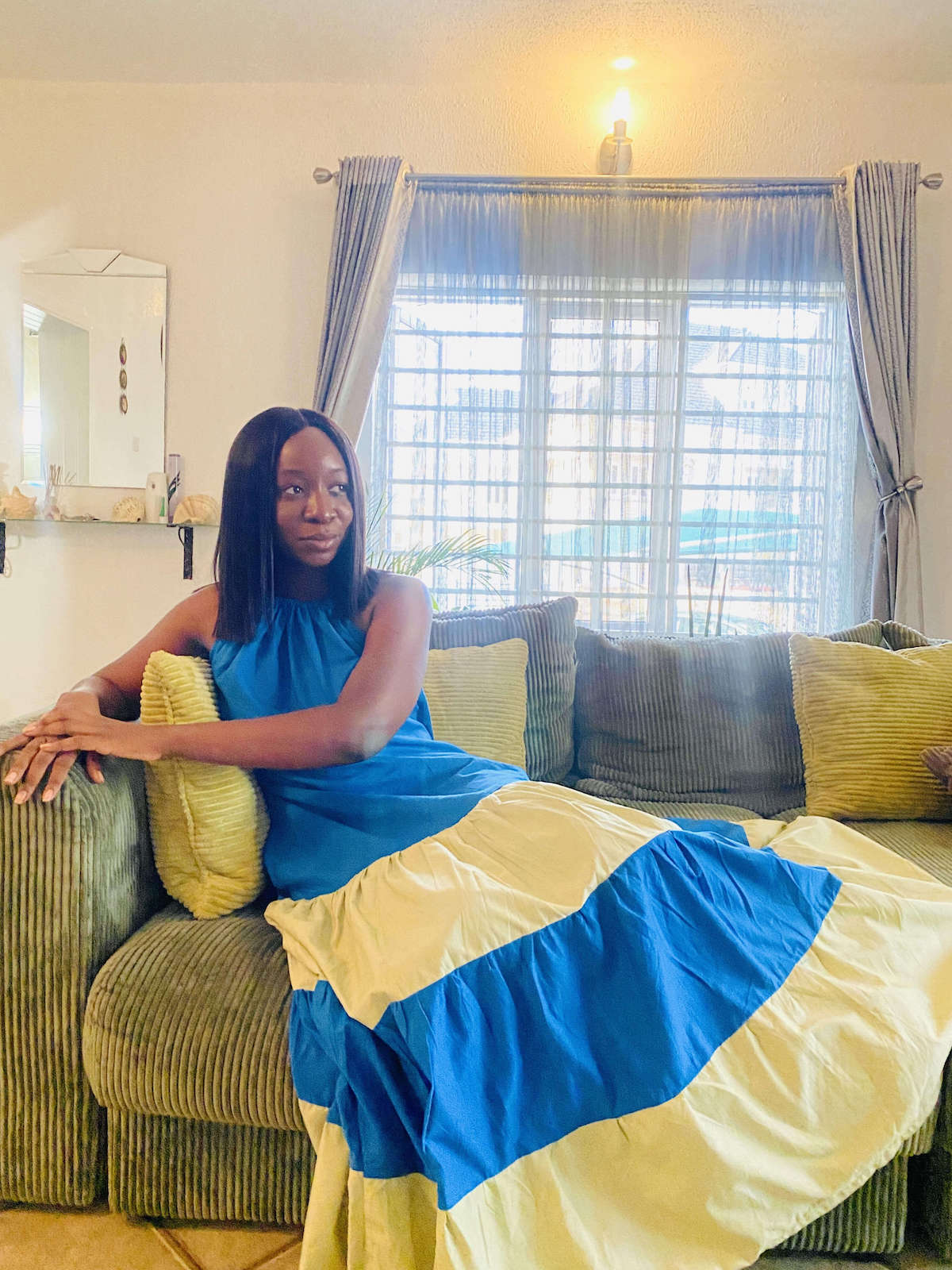
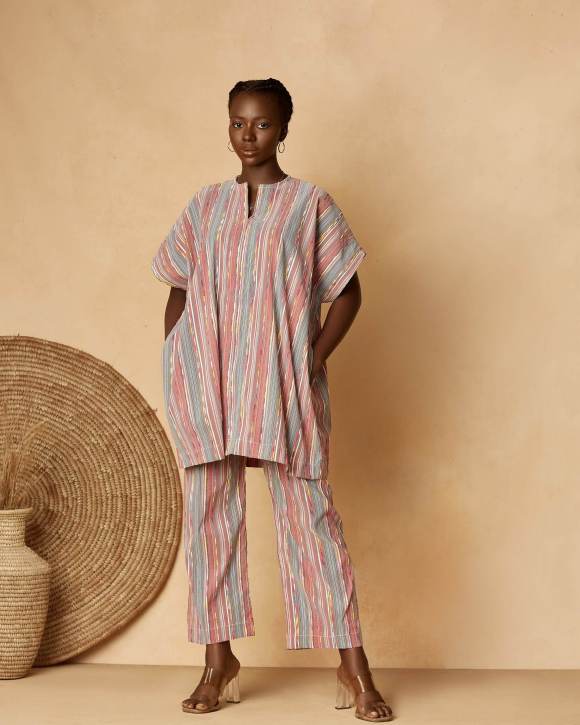
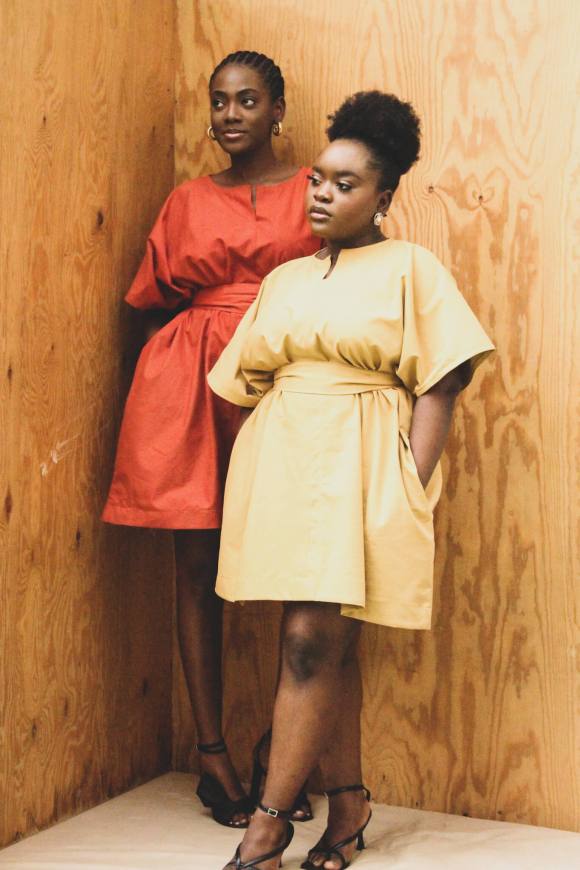
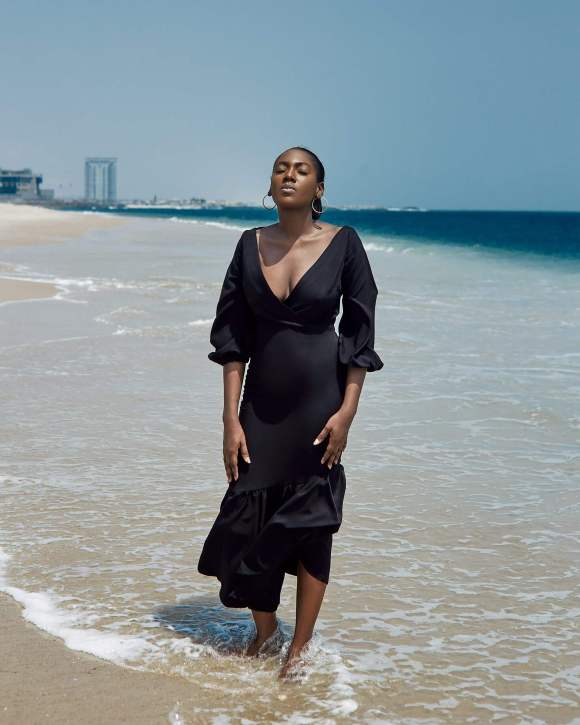
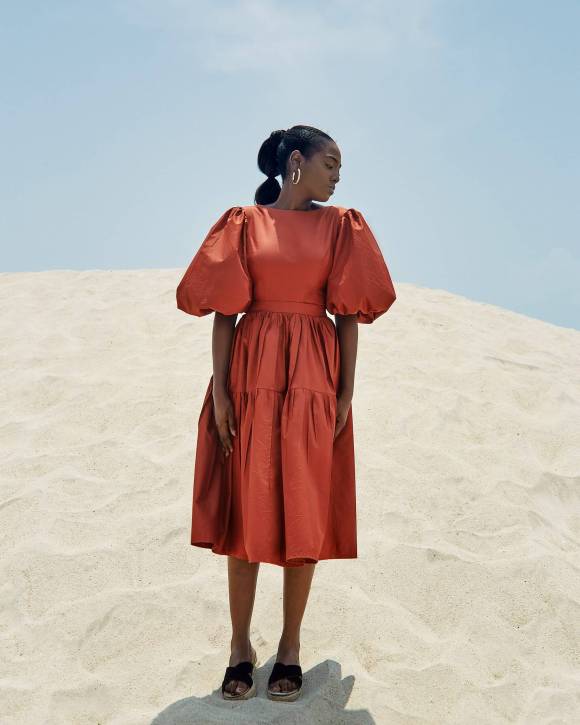
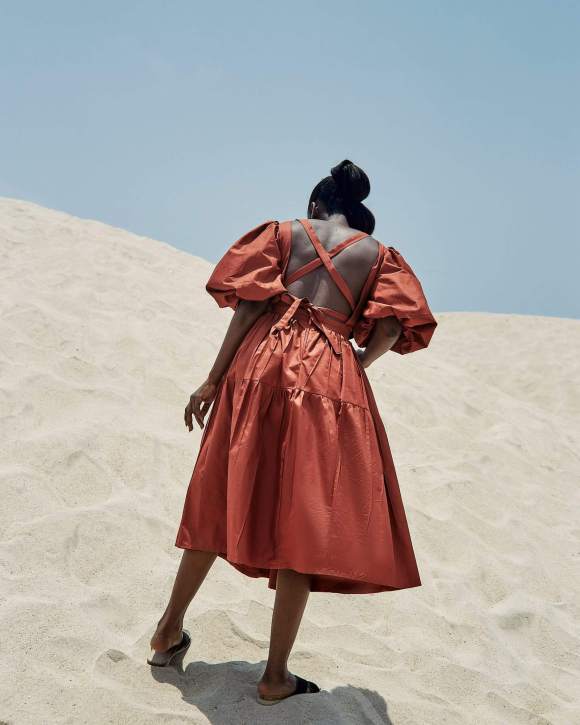
Kunmi Oni is a Nigerian fashion designer based in Lagos, and the founder of the minimalist clothing line, The 1964 Brand. Kunmi, as a child, has always been artistic. After university, her mother, Felicia, ignited the passion in her to create her brand. Three years and five collections later, Kunmi Oni’s brand stands as the ultimate fashion brand for her chic millennial audience or, as she likes to call them, her 1964 women. 

Kunmi Oni’s story is that of determination, perseverance, and success. Throughout her story, Kunmi shares her inspiration to create, her challenges, recent collections, and the love she receives from her ’64 girls. According to her, “our brand grows because we have an amazing community of ‘64 girls who root for us daily.”

C: You have grown quite a community around the 1964 Brand. Can you tell us the story behind your brand? What inspired the name?

Kunmi: The name 1964 was inspired by my mum, who was born that year. The entire brand was created to honour her memory as she was the one that encouraged me to start the brand and gave me all the resources I needed to start when I was fresh out of uni and could not get a job.

C: On your About Us page, we saw that a woman named Felly inspired the 1964 Brand. Is Felly your mum? 

Kunmi: Yes, yes! Felly is short for Felicia, which is my mum’s name, and as I mentioned earlier, 1964 was inspired by her. Our design choices reflect the kind of clothes she loved to wear.

C: Have you always wanted to design dresses? When did you first realize you wanted to create women’s clothes?

Kunmi: There was no defining moment for me. I’ve always been good with my hands. I also express my creativity in other forms like blogging, drawing, and photography.

C: Who is Kunmi Oni? Tell us something that people do not know about you.

Kunmi: Hmmm, I’m not sure there’s any.

C: Who is your target market?

Kunmi: The 1964 Brand is for women who are big on self-care and would choose comfort over glamour when it comes to their style and fashion choices. 

C: What is the 1964 brand message to her market?

Kunmi: Always seek to create ease around your life every day. Prioritize your self-care and mental health above all else, including when it comes to your choice of clothes. 

C: Let’s talk a bit about your 1964 community. Have there been any challenges? Do you feel people got the 1964 Brand message?

Kunmi: Well, when we initially started, I was afraid that Nigerian women who are our primary market (we are based in Lagos) might not be able to relate to the brand message because Nigerians are generally “on the go.” But over the years, as we keep telling our story, more women, including women from all over the world, have been able to relate as they are now choosing a life of ease and comfort and seeing them join the community makes my heart full.

C: Your designs are brilliant. What inspired you to create such designs? Tell us about the Meraki and Rebirth collections.

Kunmi: Every 1964 collection tells my story. MERAKI was created at a time when I was in a dark hole, and creating clothes for 1964 women was the only thing that kept me going. MERAKI represents creating with soul even when people and life want to discourage you. Our REBIRTH collection is our most unique collection to date. It tells the story of the 1964 woman: a woman who puts her mental health and self-care first, who pushes through and reinvents herself no matter any setback she might face in life. 

C: What feeling would you say the 1964 brand evoke in your audience?

Kunmi: A feeling of self-love. A feeling of community and a feeling of being part of something bigger than just selling clothes.

C: Can you tell us something that a customer has said to you after wearing your designs that you feel describes your clothes quite well?

Kunmi: Yes, yes! I had someone send a message to me once saying our pieces are the most beautiful and comfortable clothes she has worn in a while and, this made my heart full.

Kunmi Oni’s collections are available to cop on her website and Afrikea (For free worldwide shipping). You can also follow The 1964 Brand on InstagramTwitter, and Facebook.

Creatives Around Us granted permission to feature photos by Kunmi Oni